
World
Iran Enters Second Day of Internet Blackout Amid Protests

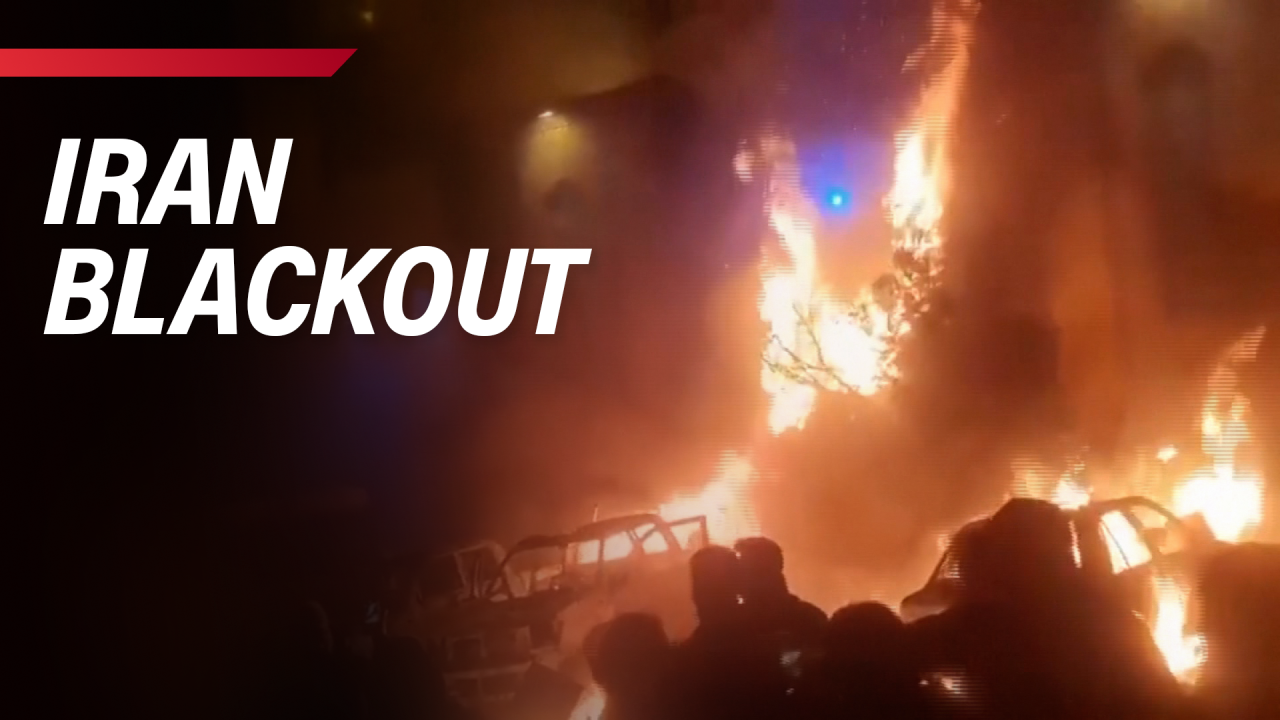
Protests in Iran have entered their second week, with citizens expressing frustration over economic conditions and government repression. The situation escalated as the government imposed an internet blackout, now entering its second day, to stifle communication among protesters. The unrest began on December 28, 2022, following widespread discontent over rising inflation and dissatisfaction with the ruling authorities.
Reza Pahlavi, the son of Iran’s last monarch, has called for a two-day nationwide strike. In a video posted on X, Pahlavi urged “workers and employees in key sectors of the economy—especially transportation, oil and gas, and energy—to begin a nationwide strike” starting Saturday, which marks the beginning of the workweek in Iran. His appeal comes as authorities attempt to quell the ongoing protests through digital restrictions.
The exiled opposition leader encouraged citizens to take to the streets, carrying flags and national symbols, to reclaim public spaces. “The goal is to prepare to seize city centers and hold them,” he stated, adding that the protests on Friday sent a strong message to Iranian leaders. Pahlavi’s popularity within Iran remains uncertain, as he was only 16 years old when the 1979 revolution ended his father’s 40-year reign.
As protests persist, the internet blackout has significantly hampered communication throughout the country. According to the monitoring organization NetBlocks, the blackout has now lasted over 36 hours. On Thursday, authorities disrupted internet and telephone services following mass demonstrations in Tehran.
At 08:00 AM local time, NetBlocks reported, “It’s now 36 hours since the nationwide internet blackout began, severely limiting Iranians’ ability to check on the safety of friends and loved ones.” The organization shared these updates via its Telegram channel, emphasizing the ongoing repression faced by protesters.
The demonstrations reflect a broader discontent among the Iranian population, fueled by economic challenges and a government perceived as out of touch. As the situation develops, the international community continues to watch closely, with calls for accountability and support for the rights of the Iranian people.
The call for a nationwide strike by Pahlavi signifies a potential escalation in the protests. As workers in key sectors respond to his appeal, the implications for the Iranian economy and the government’s response remain to be seen.

Shoals Recognizes Outstanding Student Leaders for October

U.S. Considers Lifting Sanctions on Venezuela to Boost Oil Sales

Critics Call Jasmine Crockett’s Tears for Activist ‘Crocodile Tears’

Man Steals $1,700 in Caviar from Whole Foods in Irvine

San Diego Museum of Art Unveils Ambitious West Wing Expansion Plan

Piper Rockelle Shatters Record with $2.3M First Day on OnlyFans

Meta’s 2026 AI Policy Sparks Outrage Over Privacy Concerns

Rachel Campos-Duffy Exits FOX Noticias; Andrea Linares Steps In

Leon Goretzka Considers Barcelona Move as Transfer Window Approaches
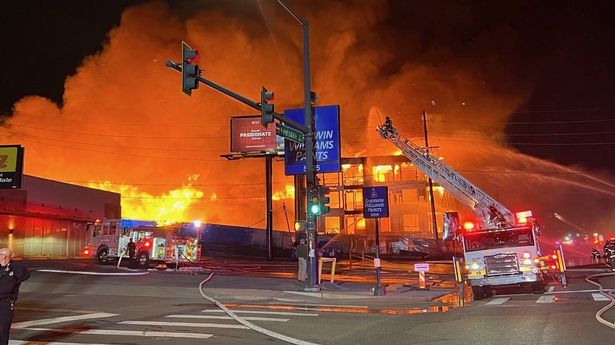
Urgent Update: Denver Fire Forces Mass Evacuations, 100+ Firefighters Battling Blaze
-
Top Stories1 week ago
Piper Rockelle Shatters Record with $2.3M First Day on OnlyFans
-
Top Stories5 days ago
Meta’s 2026 AI Policy Sparks Outrage Over Privacy Concerns
-
Top Stories1 month ago
Rachel Campos-Duffy Exits FOX Noticias; Andrea Linares Steps In
-
Sports4 days ago
Leon Goretzka Considers Barcelona Move as Transfer Window Approaches
-
Top Stories1 week ago
Urgent Update: Denver Fire Forces Mass Evacuations, 100+ Firefighters Battling Blaze
-
 Top Stories1 week ago
OnlyFans Creator Lily Phillips Reconnects with Faith in Rebaptism
-
 Entertainment4 days ago
Tom Brady Signals Disinterest in Alix Earle Over Privacy Concerns
-
 Top Stories6 days ago
Oregon Pilot and Three Niece Die in Arizona Helicopter Crash
-
 Health2 months ago
Terry Bradshaw Updates Fans on Health After Absence from FOX NFL Sunday
-
 Top Stories3 days ago
CBS Officially Renames Yellowstone Spin-off to Marshals
-
 World1 week ago
Tragedy in Crans-Montana: Fire Claims Lives of Holiday Revelers
-
 Sports3 days ago
South Carolina Faces Arkansas in Key Women’s Basketball Clash