
Top Stories
Trump Administration Considers $100K Payments to Greenlanders

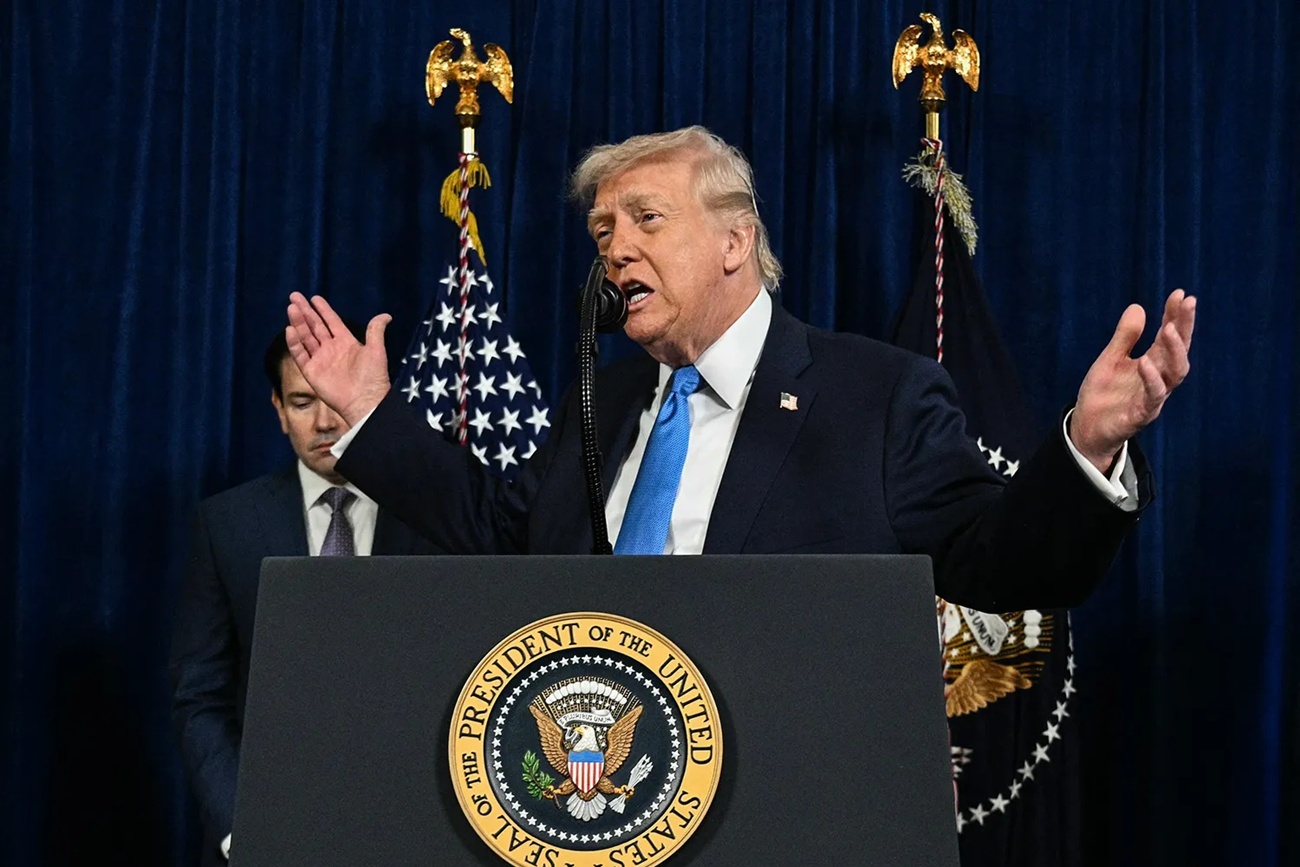
URGENT UPDATE: The Trump administration is actively exploring a controversial proposal to offer residents of Greenland direct cash payments of up to $100,000 each. This unprecedented move aims to encourage the Arctic territory to break away from Denmark and align itself with the United States, amid increasing geopolitical tensions in the region.
Internal discussions within the White House have intensified, focusing on a range of strategies that include economic incentives and potential military options. The administration’s proposal is being viewed as a significant tactic to solidify American influence in the Arctic, a region known for its vast mineral resources and strategic military importance.
Currently, Greenland is a self-governing territory with around 57,000 residents. Reports indicate that senior officials have contemplated cash payments ranging from $10,000 to $100,000 per resident. Proponents within the administration believe that these payments could help sway public opinion on the island and reduce resistance to the idea of secession from Denmark.
As discussions evolve, concerns about potential funding, estimated to reach billions of dollars, and complex logistical challenges are becoming more pronounced. One White House official stated that “no formal plan has been finalized,” leaving questions about the administration’s next steps.
Greenland’s political leaders have reacted strongly against the proposal. Prime Minister Jens-Frederik Nielsen condemned the cash payments as a “fantasy about annexation,” reiterating that Greenland is “not for sale.” Meanwhile, Denmark has emphasized that decisions regarding Greenland’s future must be made collaboratively with Nuuk, the capital of Greenland.
European nations, including France, Germany, Italy, Spain, Poland, and Britain, have echoed Denmark’s stance, releasing a joint statement asserting that only these two entities can determine the island’s political status. Legal experts further caution that any attempt to influence Greenland’s status through financial means could violate international law, as established by the United Nations Charter.
While the cash payment proposal has captured headlines, it is only one element of a broader strategy the Trump administration is considering. Additional options include negotiating a Compact of Free Association (COFA), which would allow for extensive U.S. defense and economic ties without formal annexation. However, such an arrangement would likely require Greenland’s independence from Denmark, a process that entails significant legal and constitutional adjustments.
Most observers note that while many Greenlanders support full independence from Denmark, there is little enthusiasm for joining the United States. The White House has also indicated that all options remain open, including potential military involvement, raising alarms among international partners and prompting urgent diplomatic conversations.
If pursued, this controversial initiative could not only alter Greenland’s future but also reshape the dynamics of U.S. relations with its allies. As this story develops, the world watches closely to see how these discussions unfold and what they mean for the future of Greenland and Arctic geopolitics.

Shay Mitchell Rocks Tiny Micro Shorts on Costa Rica Vacation

Addison Rae Dares to Dazzle in Thong-Baring Spa Selfie

Hamilton’s Real Estate Market: Top Seven Home Sales Unveiled

Justice Department Launches Task Force to Challenge State AI Laws

Michael Porter Jr. and Derrick White Shine as Fantasy Stars This Week

Piper Rockelle Shatters Record with $2.3M First Day on OnlyFans

Meta’s 2026 AI Policy Sparks Outrage Over Privacy Concerns

Urgent Update: Denver Fire Forces Mass Evacuations, 100+ Firefighters Battling Blaze

OnlyFans Creator Lily Phillips Reconnects with Faith in Rebaptism

Tom Brady Signals Disinterest in Alix Earle Over Privacy Concerns
-
Top Stories1 week ago
Piper Rockelle Shatters Record with $2.3M First Day on OnlyFans
-
Top Stories4 days ago
Meta’s 2026 AI Policy Sparks Outrage Over Privacy Concerns
-
Top Stories7 days ago
Urgent Update: Denver Fire Forces Mass Evacuations, 100+ Firefighters Battling Blaze
-
Top Stories1 week ago
OnlyFans Creator Lily Phillips Reconnects with Faith in Rebaptism
-
Entertainment4 days ago
Tom Brady Signals Disinterest in Alix Earle Over Privacy Concerns
-
 Top Stories5 days ago
Oregon Pilot and Three Niece Die in Arizona Helicopter Crash
-
 Sports3 days ago
Leon Goretzka Considers Barcelona Move as Transfer Window Approaches
-
 Top Stories2 days ago
CBS Officially Renames Yellowstone Spin-off to Marshals
-
 Health2 months ago
Terry Bradshaw Updates Fans on Health After Absence from FOX NFL Sunday
-
 World1 week ago
Tragedy in Crans-Montana: Fire Claims Lives of Holiday Revelers
-
 Sports2 days ago
South Carolina Faces Arkansas in Key Women’s Basketball Clash
-
 World1 week ago
Fire Claims Lives at New Year’s Party in Swiss Ski Resort