
Top Stories
EU Indefinitely Freezes Russian Assets to Boost Ukraine Support

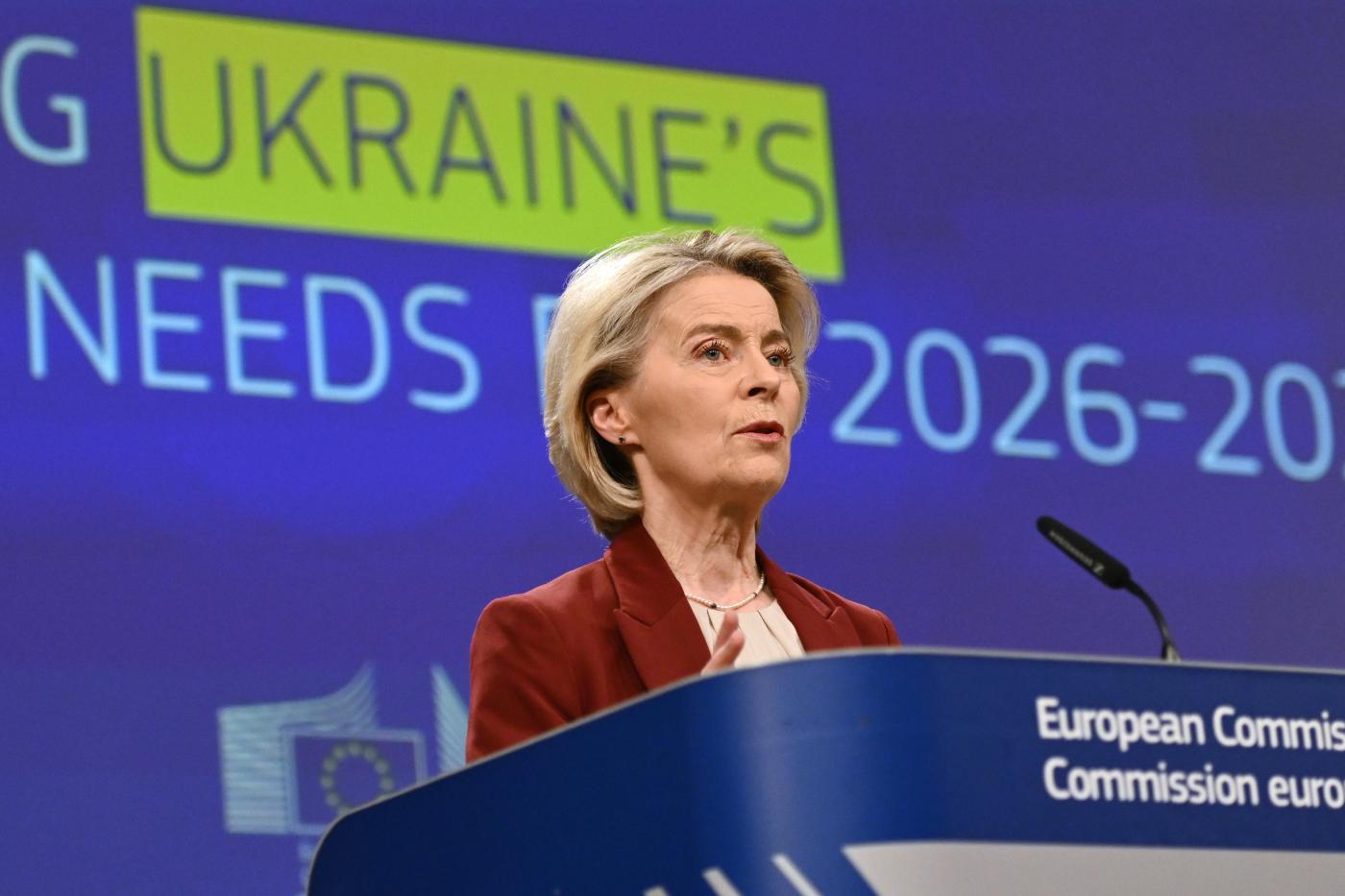
BREAKING: The European Union has indefinitely frozen Russian assets in Europe to ensure that Hungary and Slovakia cannot block the use of these funds for Ukraine. This urgent decision was made on December 15, 2025, as part of a strategy to utilize €210 billion ($247 billion) in Russian Central Bank assets to support Ukraine’s military and financial needs.
This move is critical as it enables EU leaders to finalize plans at a summit scheduled for December 18, 2025, to provide significant financial assistance to Ukraine amid its ongoing conflict with Russia. EU Council President António Costa emphasized that the commitment made in October to immobilize Russian assets has now been fulfilled.
The decision to freeze these assets was executed using a special economic emergency procedure, reflecting the EU’s urgency in addressing the fallout from Russia’s war against Ukraine, which has persisted for nearly four years. Costa stated, “Next step: securing Ukraine’s financial needs for 2026–27,” underlining the EU’s focus on long-term support.
With Hungary and Slovakia holding pro-Moscow positions, this decisive action prevents any potential vetoes they could impose on the use of the frozen funds. Prime Minister Viktor Orbán of Hungary has criticized the EU, claiming it undermines European law, while Slovak Prime Minister Robert Fico has expressed his refusal to back any measures that would finance Ukraine’s military operations.
The assets, primarily held in Euroclear, have been frozen since the EU imposed sanctions on Russia in response to the invasion launched on February 24, 2022. These sanctions must be renewed every six months with unanimous approval from all 27 EU member states. The recent decision circumvents potential blockages by Hungary and Slovakia, facilitating the use of these funds more efficiently.
In light of the ongoing conflict, the EU has already provided nearly €200 billion ($235 billion) in aid to Ukraine, highlighting the financial strain the war has placed on the European economy. The Commission argues that continued support for Ukraine is essential to mitigate rising energy prices and economic decline within the EU.
However, Fico warns that utilizing frozen Russian assets could jeopardize U.S. peace efforts, which rely on these resources for Ukraine’s reconstruction. Meanwhile, the Central Bank of Russia has filed a lawsuit against Euroclear, asserting that the freezing of assets is illegal and violates international law.
This unprecedented move by the EU marks a significant escalation in its efforts to support Ukraine while navigating internal opposition from Hungary and Slovakia. As developments unfold, all eyes will be on the upcoming summit and the broader implications for EU-Russian relations.
Stay tuned for further updates as this situation develops.

Shay Mitchell Rocks Tiny Micro Shorts on Costa Rica Vacation

Addison Rae Dares to Dazzle in Thong-Baring Spa Selfie

Hamilton’s Real Estate Market: Top Seven Home Sales Unveiled

Justice Department Launches Task Force to Challenge State AI Laws

Michael Porter Jr. and Derrick White Shine as Fantasy Stars This Week

Piper Rockelle Shatters Record with $2.3M First Day on OnlyFans

Meta’s 2026 AI Policy Sparks Outrage Over Privacy Concerns

Urgent Update: Denver Fire Forces Mass Evacuations, 100+ Firefighters Battling Blaze

OnlyFans Creator Lily Phillips Reconnects with Faith in Rebaptism

Tom Brady Signals Disinterest in Alix Earle Over Privacy Concerns
-
Top Stories1 week ago
Piper Rockelle Shatters Record with $2.3M First Day on OnlyFans
-
Top Stories4 days ago
Meta’s 2026 AI Policy Sparks Outrage Over Privacy Concerns
-
Top Stories7 days ago
Urgent Update: Denver Fire Forces Mass Evacuations, 100+ Firefighters Battling Blaze
-
Top Stories1 week ago
OnlyFans Creator Lily Phillips Reconnects with Faith in Rebaptism
-
Entertainment4 days ago
Tom Brady Signals Disinterest in Alix Earle Over Privacy Concerns
-
 Top Stories5 days ago
Oregon Pilot and Three Niece Die in Arizona Helicopter Crash
-
 Sports3 days ago
Leon Goretzka Considers Barcelona Move as Transfer Window Approaches
-
 Top Stories2 days ago
CBS Officially Renames Yellowstone Spin-off to Marshals
-
 Health2 months ago
Terry Bradshaw Updates Fans on Health After Absence from FOX NFL Sunday
-
 World1 week ago
Tragedy in Crans-Montana: Fire Claims Lives of Holiday Revelers
-
 Sports2 days ago
South Carolina Faces Arkansas in Key Women’s Basketball Clash
-
 World1 week ago
Fire Claims Lives at New Year’s Party in Swiss Ski Resort