
Technology
SpaceX Plans IPO, Fuels Excitement for Mars and AI Innovations

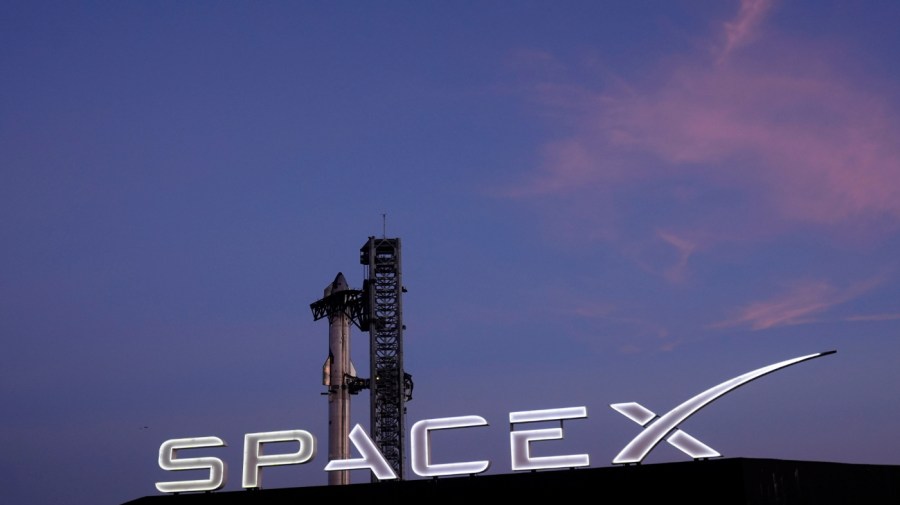
The anticipated initial public offering (IPO) of SpaceX could reshape the landscape of commercial spaceflight and artificial intelligence. Founded by Elon Musk, SpaceX has garnered significant attention as it prepares to publicly list its shares, potentially in 2024. This move is seen as a major step towards integrating space-based technologies into the global economy.
The prospect of a SpaceX IPO highlights the growing interest in space exploration and the commercial opportunities it presents. The company has already revolutionized access to space with its Falcon 9 rockets and the Starship spacecraft, which is designed for missions to Mars. As the world watches, investors are eager to understand how SpaceX’s ambitions in space will impact various sectors, including artificial intelligence.
Space-Based AI Innovations
Artificial intelligence is becoming increasingly crucial in space operations. SpaceX has been at the forefront, utilizing AI to optimize satellite communications and enhance the efficiency of its launch systems. The advancements in AI are not just limited to SpaceX; they reflect a broader trend among space agencies and private companies globally.
According to a report by the European Space Agency, AI technologies are expected to play a pivotal role in future space missions, including those targeting Mars. These innovations can assist in navigation, data analysis, and mission planning, making space exploration more sustainable and effective. The potential for AI to streamline operations in the harsh environments of space could accelerate the timeline for human missions to Mars.
The dream of colonizing Mars is no longer a distant fantasy, as both governmental bodies like NASA and private enterprises, including SpaceX, invest heavily in research and technology. SpaceX’s ambitious plans for Mars include establishing a self-sustaining city by the year 2050, which requires not only advanced rocket technology but also innovative solutions to support human life on another planet.
Impact on the Global Economy
The commercial space industry is projected to contribute significantly to the global economy. A report by Space Foundation estimates that the space economy could surpass $1 trillion by 2040. As SpaceX’s IPO approaches, discussions around regulatory frameworks, investment strategies, and technological advancements are increasingly relevant.
Investors are keenly aware of the potential returns from a successful IPO. With SpaceX leading the charge in reusable rocket technology and satellite deployment, the financial implications could be substantial. The company’s Starlink project, aimed at providing global internet coverage through a network of satellites, illustrates how space-based services can disrupt traditional markets.
As commercial spaceflight becomes more accessible, nations and private entities are racing to establish their presence in this burgeoning sector. The implications for international collaboration and competition are vast, as countries recognize the strategic importance of space capabilities.
The excitement surrounding the SpaceX IPO is indicative of a larger movement towards the commercialization of space. With innovations in AI and the pursuit of Mars exploration, the future of humanity’s ventures beyond Earth looks promising. As the countdown to the IPO continues, industry stakeholders are eager to witness how SpaceX will reshape the final frontier.

Financial Markets Indicate Commodities ‘Supercycle’ by 2026
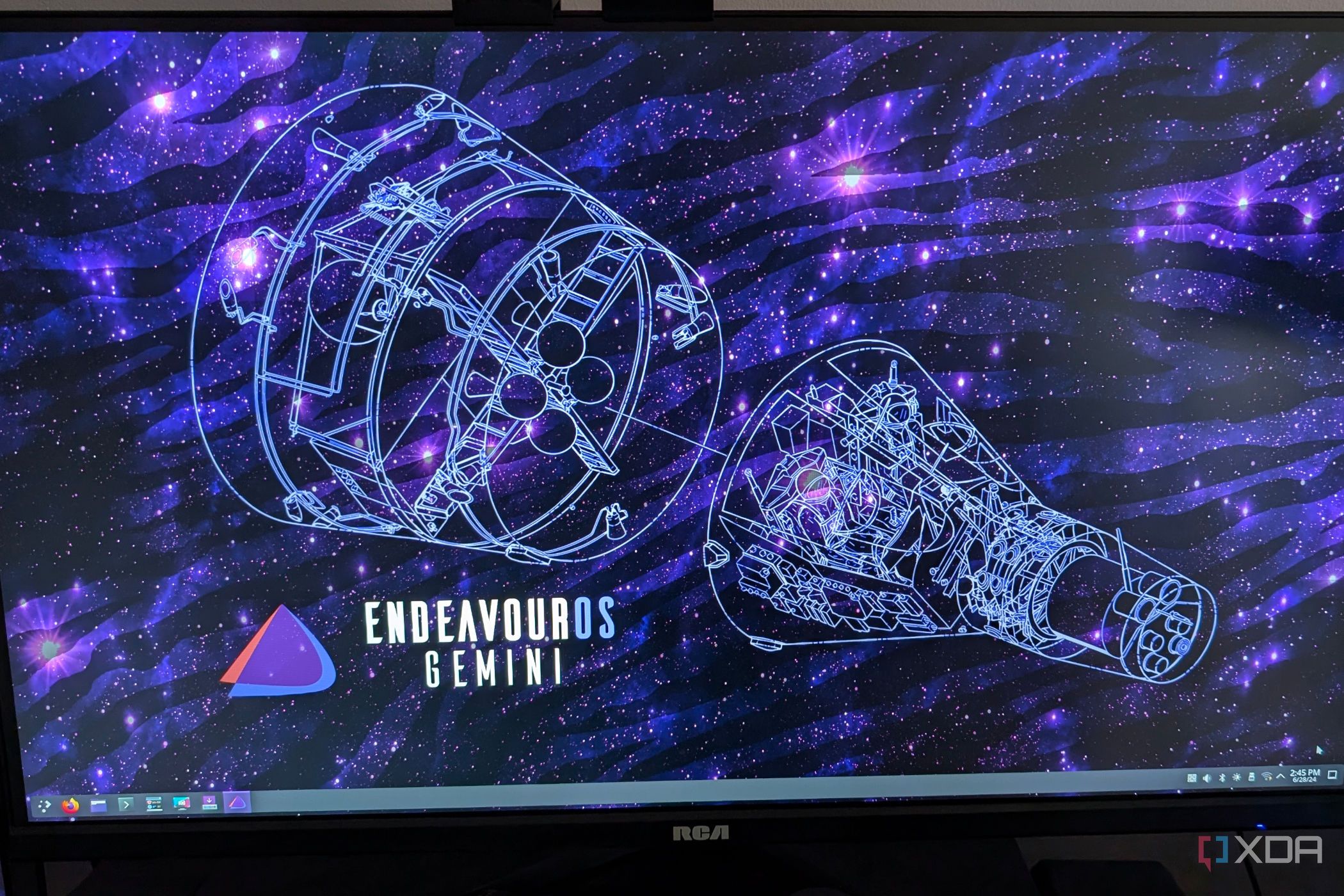
EndeavourOS Simplifies Arch Experience Without Installation Hassles

Bears Shock Packers with Historic Wild Card Comeback Victory

NBA Sunday Showdown: Injuries and Returns Impact Fantasy Picks

Local Students Celebrate Graduation from Penn State Berks and More

Rachel Campos-Duffy Exits FOX Noticias; Andrea Linares Steps In

Piper Rockelle Shatters Record with $2.3M First Day on OnlyFans

Meta’s 2026 AI Policy Sparks Outrage Over Privacy Concerns

Leon Goretzka Considers Barcelona Move as Transfer Window Approaches

Urgent Update: Denver Fire Forces Mass Evacuations, 100+ Firefighters Battling Blaze
-
Top Stories1 month ago
Rachel Campos-Duffy Exits FOX Noticias; Andrea Linares Steps In
-
Top Stories1 week ago
Piper Rockelle Shatters Record with $2.3M First Day on OnlyFans
-
Top Stories6 days ago
Meta’s 2026 AI Policy Sparks Outrage Over Privacy Concerns
-
Sports5 days ago
Leon Goretzka Considers Barcelona Move as Transfer Window Approaches
-
Top Stories1 week ago
Urgent Update: Denver Fire Forces Mass Evacuations, 100+ Firefighters Battling Blaze
-
 Top Stories1 week ago
OnlyFans Creator Lily Phillips Reconnects with Faith in Rebaptism
-
 Entertainment5 days ago
Tom Brady Signals Disinterest in Alix Earle Over Privacy Concerns
-
 Top Stories7 days ago
Oregon Pilot and Three Niece Die in Arizona Helicopter Crash
-
 Top Stories5 days ago
Warnock Joins Buddhist Monks on Urgent 2,300-Mile Peace Walk
-
 Health2 months ago
Terry Bradshaw Updates Fans on Health After Absence from FOX NFL Sunday
-
 Top Stories4 days ago
CBS Officially Renames Yellowstone Spin-off to Marshals
-
 Sports3 days ago
South Carolina Faces Arkansas in Key Women’s Basketball Clash