
Technology
Gazans Confront Harsh Winter Choices Amidst Destruction


Palestinians in Gaza are grappling with a dire situation this winter, forced to choose between living in tents exposed to harsh weather or risking their lives in the ruins of collapsed buildings. Over 400,000 homes have been damaged or destroyed in the ongoing conflict, leaving many families without adequate shelter.
In Khan Younis, Hiyam Abu Nabah and her family reside in the remains of a building with no walls, facing the elements with only the structure’s shell for protection. Last week, torrential rains claimed the lives of at least 17 people, including children, according to Palestinian Civil Defense Spokesperson Mahmoud Basal. Many fatalities resulted from collapsing buildings, as floods devastated approximately 90% of the shelters intended for those displaced by the conflict.
Abu Nabah recounts her harrowing experience during the recent storm, stating, “On the first day of the storm, we could hear the stones cracking above our heads. Sand was falling into our eyes… this is not a life.” Her difficulty is compounded by the fact that she has no access to a tent. Her hope of returning to her home in Shujaiya remains a distant dream, as that area is currently inaccessible due to military occupation.
Nearby, Awn Al Haj demonstrates the precariousness of his living situation by poking at the roof of his shelter. He describes it as a foundation that has collapsed under the weight of upper floors, which have pancaked down. “Three days of it were like the early days of the war… you did not know what would happen to you while you are sitting here,” Al Haj says.
As winter storms continue, residents must improvise solutions, such as propping up crumbling walls with mud and covering holes with tarpaulins. Al Haj acknowledges that these measures are merely temporary fixes to a life-threatening crisis. “The only alternative,” he notes, “is to sit by the sea, in a tent, inundated by water.”
The situation worsened further north in the al-Shati camp, where a building collapse resulted in the death of a man inside and injuries to two others. Neighbors reported that the building had sustained damage from nearby airstrikes, and the winter weather proved to be too much for the already weakened structure. One neighbor lamented, “Houses keep collapsing. Someone do something about how we are living.”
According to Mohammad Fathi of the Gaza Civil Defense, the emergency service is struggling to respond effectively due to a lack of heavy machinery needed to rescue those trapped under the debris. Fathi warned, “With every winter storm, many families and many children will die.” The Civil Defense urges residents to evacuate damaged buildings during heavy rain, but many feel they have no viable alternatives.
The United Nations estimates that 1.3 million Palestinians urgently require shelter this winter. The Israeli agency responsible for coordinating aid into Gaza, COGAT, reports that nearly 310,000 tents and tarpaulins have been recently delivered, alongside over 1,800 trucks of warm blankets and clothing. Despite these efforts, the UN and various international NGOs are calling on Israel to facilitate increased aid access to assist those facing homelessness.
Tragically, among the victims of the recent adverse weather were a two-week-old baby and an eight-month-old child, both of whom succumbed to hypothermia. With so many shelters rendered uninhabitable, families are left with little choice but to occupy precarious structures that were once their homes.
Bakr Mahmoud al-Sheikh Ali, a resident of Khan Younis, expressed the prevailing sentiment among displaced Gazans: “People are afraid, but they tell you, brother, I need shelter, I do not want a tent and water in the winter, in this cold weather… whatever happens, happens.” As the winter progresses, the struggle for survival continues amidst the devastation, underscoring the urgent need for humanitarian assistance in the region.

Security Guard Dies at 2026 Winter Olympics Construction Site

FDA Delays Stoke’s Request for Accelerated Approval of Epilepsy Drug

Last Survivor of 1925 Diphtheria Epidemic in Alaska Passes Away
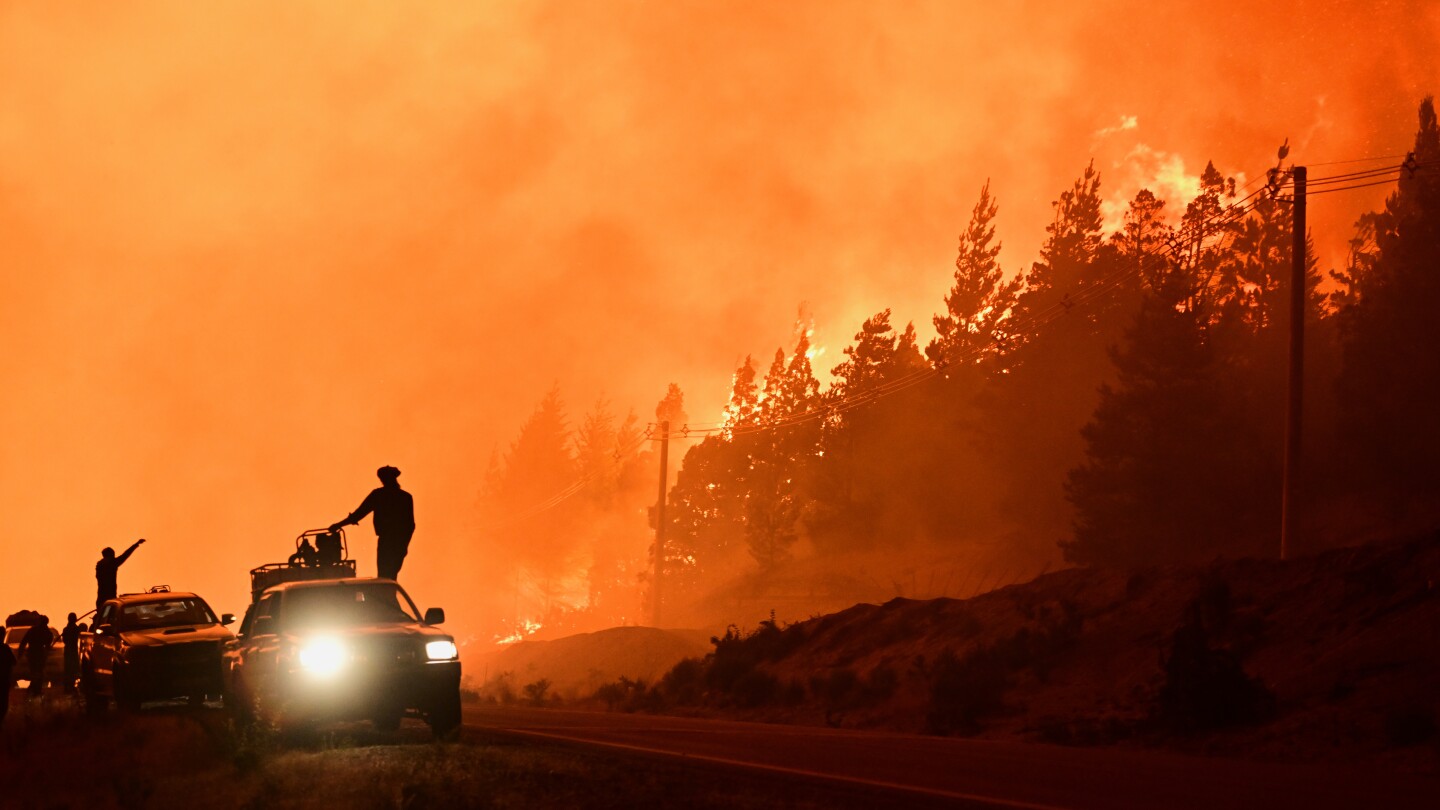
Urgent Wildfires in Argentina Blaze Through 12,000 Hectares

Rising Prescription Costs Spark Outrage Among Patients

Rachel Campos-Duffy Exits FOX Noticias; Andrea Linares Steps In

Piper Rockelle Shatters Record with $2.3M First Day on OnlyFans

Meta’s 2026 AI Policy Sparks Outrage Over Privacy Concerns

Leon Goretzka Considers Barcelona Move as Transfer Window Approaches
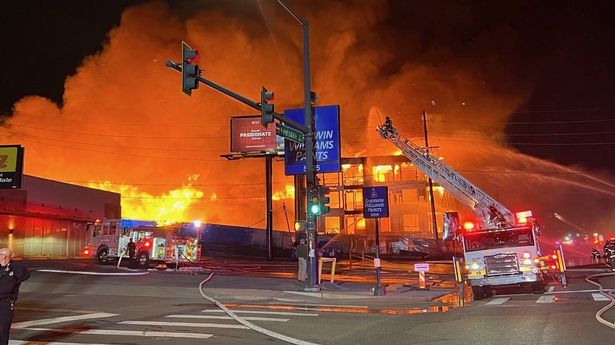
Urgent Update: Denver Fire Forces Mass Evacuations, 100+ Firefighters Battling Blaze
-
Top Stories1 month ago
Rachel Campos-Duffy Exits FOX Noticias; Andrea Linares Steps In
-
Top Stories1 week ago
Piper Rockelle Shatters Record with $2.3M First Day on OnlyFans
-
Top Stories6 days ago
Meta’s 2026 AI Policy Sparks Outrage Over Privacy Concerns
-
Sports5 days ago
Leon Goretzka Considers Barcelona Move as Transfer Window Approaches
-
Top Stories1 week ago
Urgent Update: Denver Fire Forces Mass Evacuations, 100+ Firefighters Battling Blaze
-
 Top Stories1 week ago
OnlyFans Creator Lily Phillips Reconnects with Faith in Rebaptism
-
 Top Stories5 days ago
Warnock Joins Buddhist Monks on Urgent 2,300-Mile Peace Walk
-
 Entertainment5 days ago
Tom Brady Signals Disinterest in Alix Earle Over Privacy Concerns
-
 Top Stories7 days ago
Oregon Pilot and Three Niece Die in Arizona Helicopter Crash
-
 Health2 months ago
Terry Bradshaw Updates Fans on Health After Absence from FOX NFL Sunday
-
 Top Stories4 days ago
CBS Officially Renames Yellowstone Spin-off to Marshals
-
 Sports4 days ago
South Carolina Faces Arkansas in Key Women’s Basketball Clash