
Politics
South Africa Modifies Regulations for Starlink and Foreign Firms

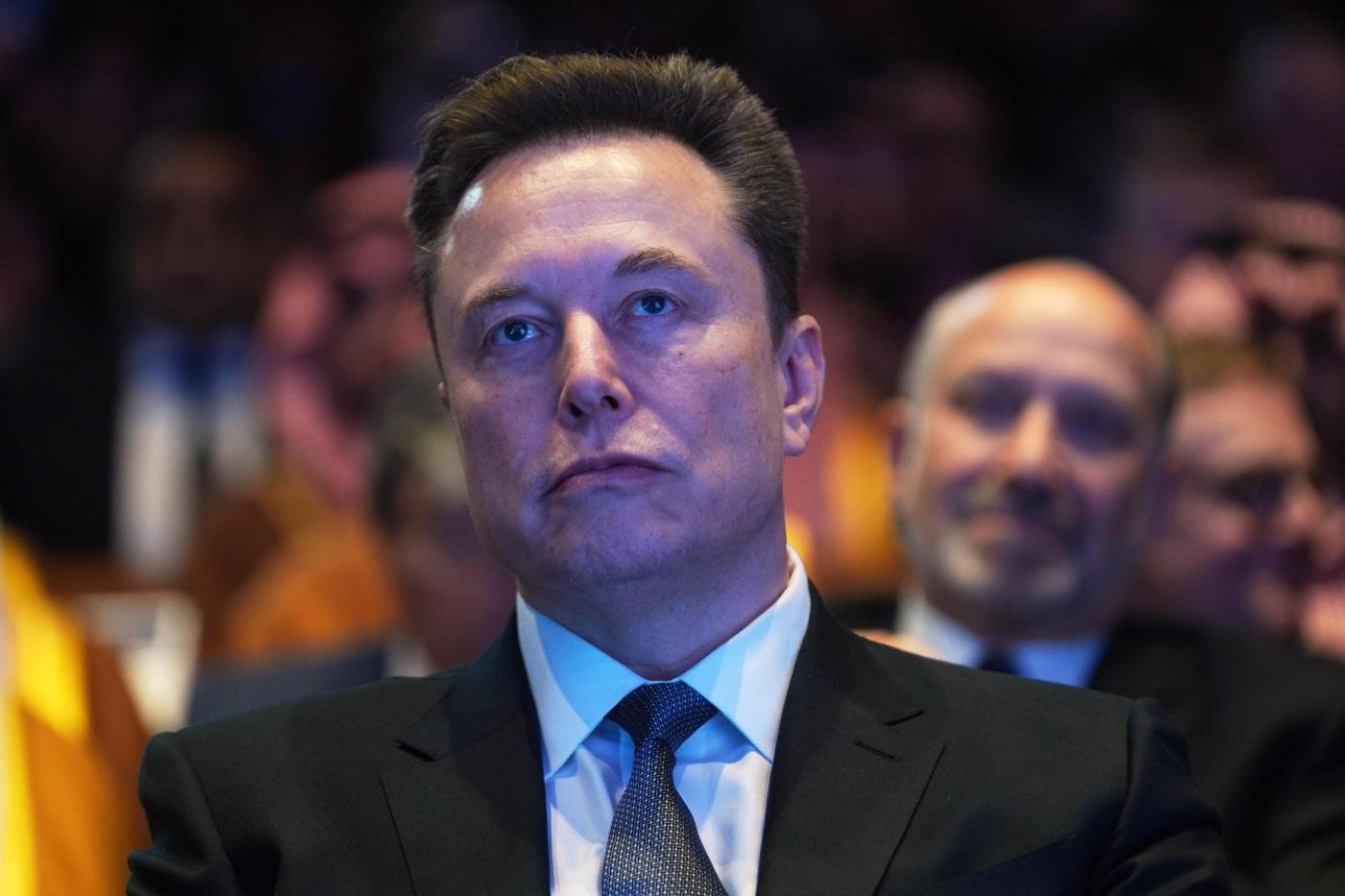
South Africa’s communications minister announced a significant policy change on March 15, 2024, allowing foreign satellite internet providers, including Elon Musk‘s Starlink, to operate without the previous requirement of local ownership. The new directive permits these companies to meet affirmative action criteria through investments in programs that support historically disadvantaged groups, rather than mandating a 30% equity stake by Black or other non-white owners.
The policy shift, published in a government gazette, addresses concerns raised by Musk regarding South Africa’s ownership laws, which he labeled as “openly racist.” Musk’s criticism highlighted the barriers posed by the country’s regulations, which were designed to rectify inequalities stemming from the apartheid era. The adjustment to the rules is intended to stimulate foreign investment and enhance internet access across South Africa.
In a statement, Solly Malatsi, South Africa’s Communications Minister, emphasized that the new framework aligns with the goals of increasing high-speed internet access for rural and underserved communities. The government’s decision reflects a broader commitment to improve digital infrastructure in a nation where connectivity remains a challenge.
Starlink, a subsidiary of SpaceX, has already established its services in over a dozen African countries, providing low-orbit satellite internet to regions that often lack reliable connections. With this policy change, the company is now positioned to expand its operations within South Africa, potentially enhancing access to communication technologies for millions.
While South Africa’s affirmative action policies, known as Broad-Based Black Economic Empowerment, have been pivotal in addressing the legacy of apartheid, they have also faced criticism for being obstacles to foreign investment. Critics argue that stringent ownership requirements deter international companies from entering the market, thereby limiting economic growth.
The new approach allows foreign-owned companies in other sectors to adopt similar “equity equivalent” programs, facilitating a more inclusive business environment. This policy is seen as a way to balance the need for local ownership with the imperative of attracting global investment and innovation.
The changes come at a time when international scrutiny of South Africa’s economic policies is intensifying. Notably, former U.S. President Donald Trump has also criticized the country’s affirmative action regulations, framing them as discriminatory against white investors.
As South Africa navigates its complex economic landscape, the government’s decision to revise these regulations could signal a shift towards a more open and competitive market for foreign enterprises, fostering growth while still addressing social equity concerns. The impact of this policy change on the broader economy and its potential to bridge the digital divide remains to be seen.
Mark McGwire’s Steroid Admission Shakes Baseball History Today

Skyworks Solutions Receives “Hold” Rating Amid Analyst Upgrades

Stream ‘Industry’ Season 4: Premiere Dates and Viewing Options

Bears Overcome 18-Point Deficit to Defeat Packers in Playoffs

Join the Exciting Cowtown Cycle Party This Sunday – Limited Seats!

Rachel Campos-Duffy Exits FOX Noticias; Andrea Linares Steps In

Piper Rockelle Shatters Record with $2.3M First Day on OnlyFans

Meta’s 2026 AI Policy Sparks Outrage Over Privacy Concerns

Leon Goretzka Considers Barcelona Move as Transfer Window Approaches

Urgent Update: Denver Fire Forces Mass Evacuations, 100+ Firefighters Battling Blaze
-
Top Stories1 month ago
Rachel Campos-Duffy Exits FOX Noticias; Andrea Linares Steps In
-
Top Stories1 week ago
Piper Rockelle Shatters Record with $2.3M First Day on OnlyFans
-
Top Stories5 days ago
Meta’s 2026 AI Policy Sparks Outrage Over Privacy Concerns
-
Sports4 days ago
Leon Goretzka Considers Barcelona Move as Transfer Window Approaches
-
Top Stories1 week ago
Urgent Update: Denver Fire Forces Mass Evacuations, 100+ Firefighters Battling Blaze
-
 Top Stories1 week ago
OnlyFans Creator Lily Phillips Reconnects with Faith in Rebaptism
-
 Entertainment5 days ago
Tom Brady Signals Disinterest in Alix Earle Over Privacy Concerns
-
 Top Stories6 days ago
Oregon Pilot and Three Niece Die in Arizona Helicopter Crash
-
 Health2 months ago
Terry Bradshaw Updates Fans on Health After Absence from FOX NFL Sunday
-
 Top Stories3 days ago
CBS Officially Renames Yellowstone Spin-off to Marshals
-
 Top Stories5 days ago
Warnock Joins Buddhist Monks on Urgent 2,300-Mile Peace Walk
-
 Sports3 days ago
South Carolina Faces Arkansas in Key Women’s Basketball Clash