
Health
Trump Secures Drug Price Agreements with Nine Major Manufacturers


On March 15, 2024, President Donald Trump unveiled new agreements with nine pharmaceutical manufacturers to lower certain prescription drug prices. Speaking from the White House, Trump asserted, “American drug prices will come down fast and furious and will soon be the lowest in the developed world.” This initiative aims to make medications more affordable for Medicaid recipients and other consumers.
Under the terms of the agreement, the nine drug manufacturers, including Amgen, Bristol Myers Squibb, and Gilead Science, will provide their drugs to Medicaid at most-favored-nation (MFN) pricing. This policy mandates that prices offered to Medicaid must align with those paid by patients in other developed countries. Additionally, these companies will offer significant discounts on medicines through the newly established TrumpRx program.
The Trump administration is set to implement a three-year tariff exemption for the participating drugmakers in exchange for their commitment to MFN pricing. The agreement covers a variety of treatments for chronic conditions, such as type 2 diabetes, rheumatoid arthritis, and certain cancers. The administration estimates that the deal could represent more than $150 billion in new investments in U.S. manufacturing and research.
TrumpRx, which is expected to launch in early 2024, will not sell drugs directly but will guide consumers to lower prices available from other sources. This program aims to address the disparity in drug costs, as approximately 30-40% of Medicaid drug prices currently exceed those in other wealthy nations. Officials noted that Medicaid patients typically do not pay out-of-pocket expenses for medications, which may limit the immediate impact of these changes.
While the administration has hailed the agreements as a move towards healthcare fairness, questions remain regarding their practical implications. Experts, including Darius Lakdawalla, chief scientific officer at the University of Southern California’s Schaeffer Center, have highlighted potential limitations. He indicated that Medicaid already possesses a statutory “best price” protection, which guarantees the lowest price offered to any U.S. commercial payer.
The new agreements also include commitments from drug manufacturers to donate active pharmaceutical ingredients to the Strategic Active Pharmaceutical Ingredients Reserve. This initiative aims to reduce U.S. dependence on foreign manufacturing, particularly during disruptions such as pandemics. A senior administration official described this effort as a safeguard against pharmaceutical vulnerabilities that could arise from natural disasters or national security emergencies.
While the administration anticipates major reductions in Medicaid prices, it has clarified that injectable drugs and infusion medications will not be available through TrumpRx, as these require administration by healthcare providers. The president’s office has previously reached similar agreements with other major drugmakers, including AstraZeneca and Pfizer.
The comprehensive nature of these agreements reflects an ongoing commitment to addressing pharmaceutical pricing in the United States. As the administration moves forward, the effectiveness of these strategies will be closely monitored by patients, healthcare providers, and policymakers alike.

Senate Advances Minimum Wage Hike and Allows Government Employees to Run for Office
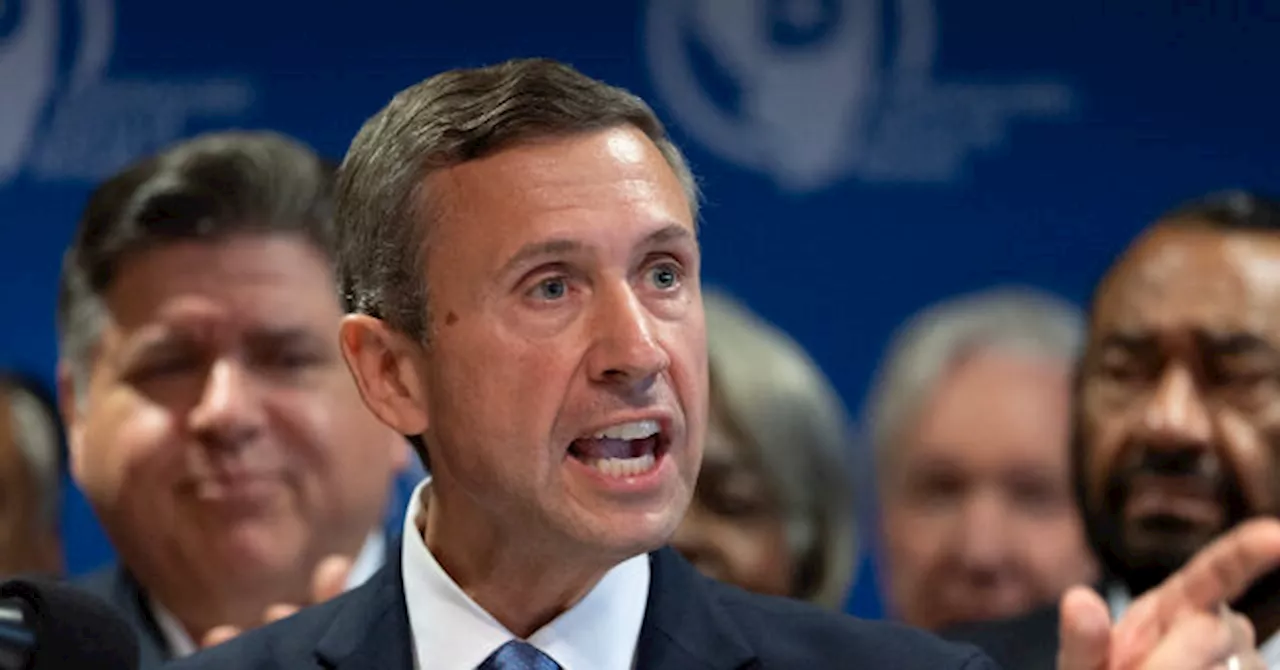
DNC Chair Ken Martin Accuses Trump of Election Fraud Lies

Barbie Breaks Ground with First Doll on the Autism Spectrum

Barbie Launches First Autism-Inclusive Doll, Sparking Joy and Representation

Judge Marianne Sezon Launches Re-election Campaign for Third Term

Rachel Campos-Duffy Exits FOX Noticias; Andrea Linares Steps In

Piper Rockelle Shatters Record with $2.3M First Day on OnlyFans

Meta’s 2026 AI Policy Sparks Outrage Over Privacy Concerns

Leon Goretzka Considers Barcelona Move as Transfer Window Approaches

Urgent Update: Denver Fire Forces Mass Evacuations, 100+ Firefighters Battling Blaze
-
Top Stories1 month ago
Rachel Campos-Duffy Exits FOX Noticias; Andrea Linares Steps In
-
Top Stories1 week ago
Piper Rockelle Shatters Record with $2.3M First Day on OnlyFans
-
Top Stories6 days ago
Meta’s 2026 AI Policy Sparks Outrage Over Privacy Concerns
-
Sports5 days ago
Leon Goretzka Considers Barcelona Move as Transfer Window Approaches
-
Top Stories1 week ago
Urgent Update: Denver Fire Forces Mass Evacuations, 100+ Firefighters Battling Blaze
-
 Top Stories1 week ago
OnlyFans Creator Lily Phillips Reconnects with Faith in Rebaptism
-
 Top Stories5 days ago
Warnock Joins Buddhist Monks on Urgent 2,300-Mile Peace Walk
-
 Entertainment6 days ago
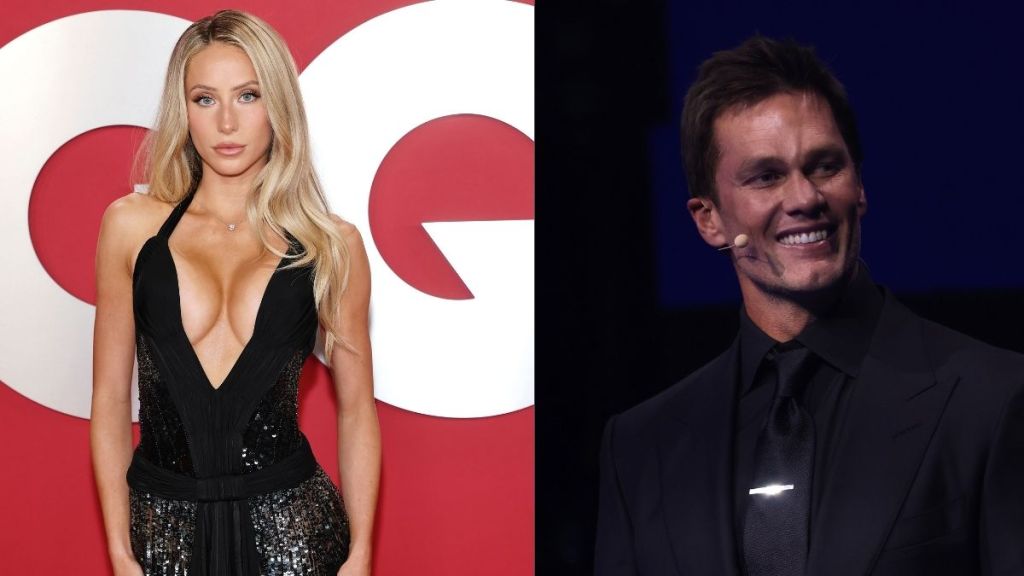
Tom Brady Signals Disinterest in Alix Earle Over Privacy Concerns
-
 Top Stories1 week ago
Oregon Pilot and Three Niece Die in Arizona Helicopter Crash
-
 Health2 months ago
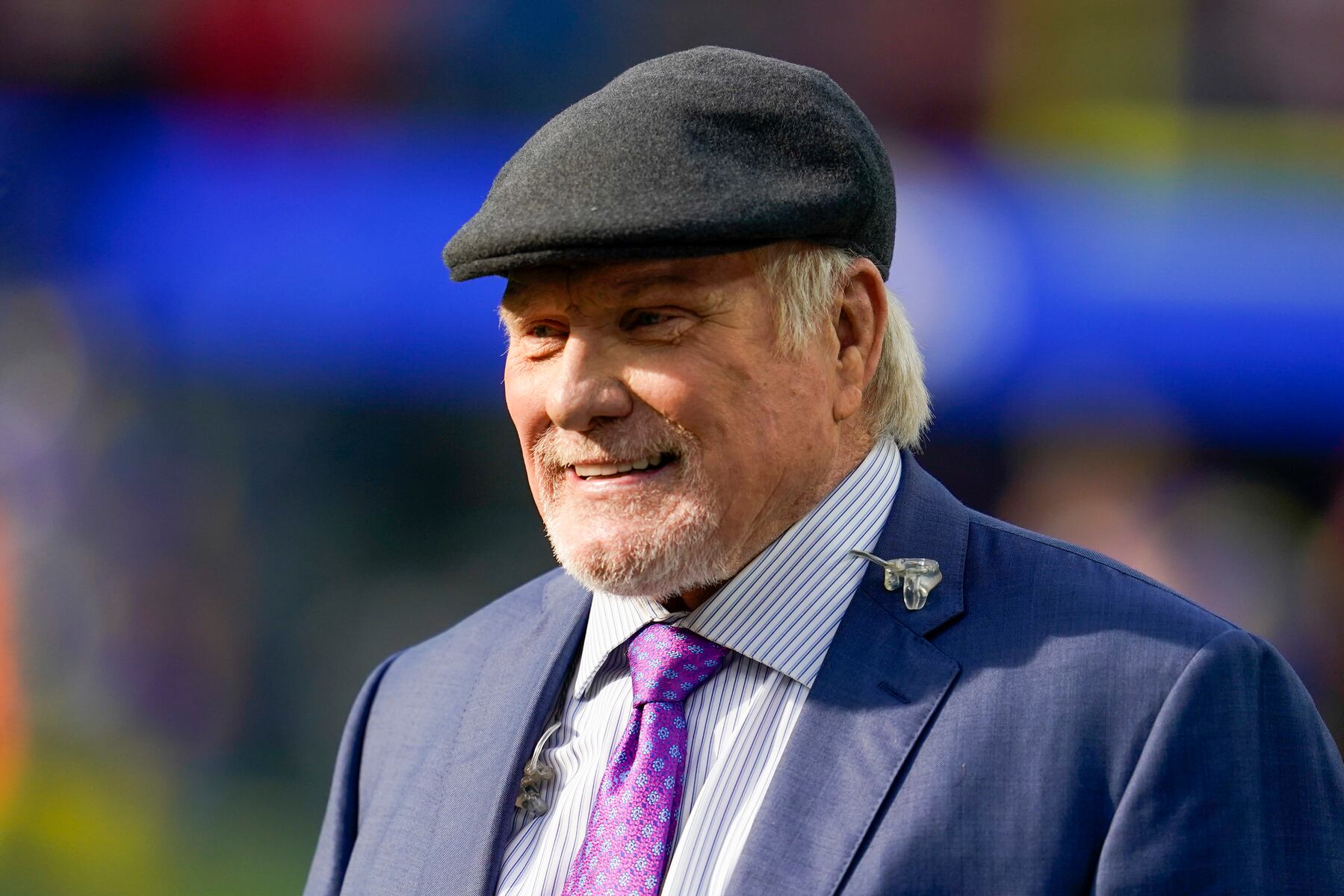
Terry Bradshaw Updates Fans on Health After Absence from FOX NFL Sunday
-
 Top Stories4 days ago
CBS Officially Renames Yellowstone Spin-off to Marshals
-
 Sports4 days ago
South Carolina Faces Arkansas in Key Women’s Basketball Clash