
Health
Study Reveals Social Media May Fuel Societal Polarization

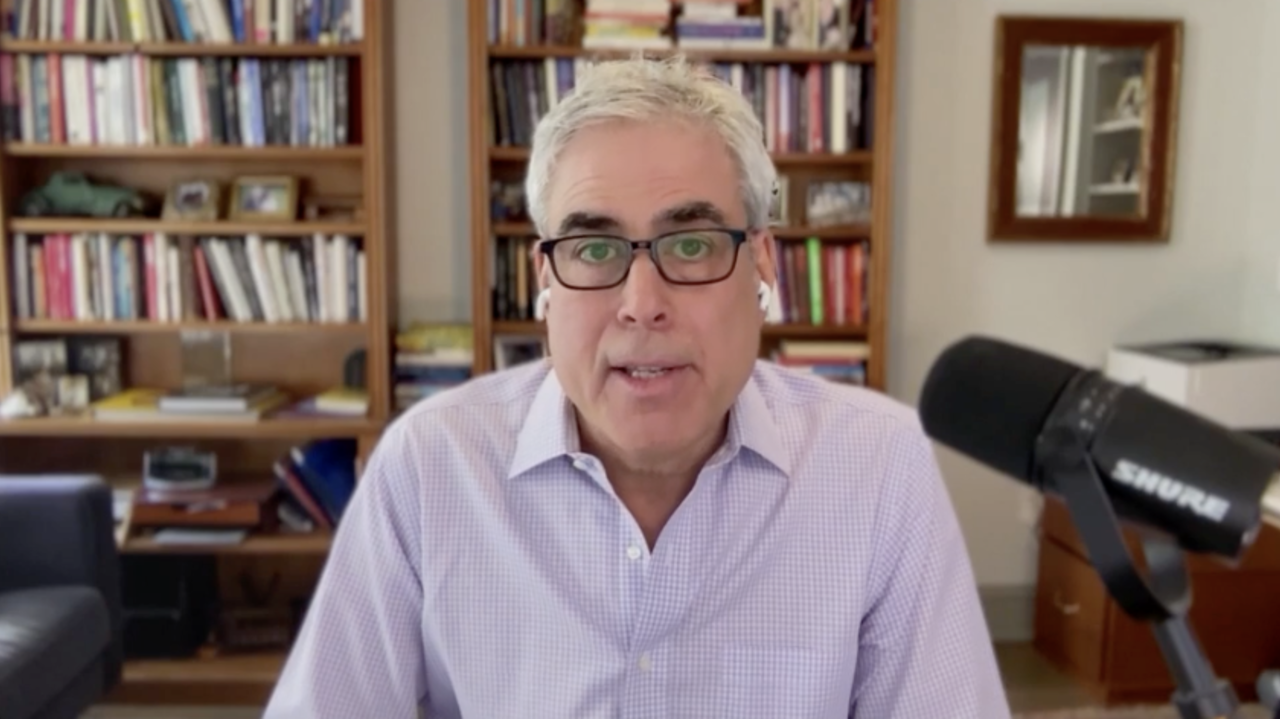
A recent study indicates that the expansion of social media and online networks may be contributing to increased societal polarization rather than fostering unity. Researchers have found that constant exposure to differing viewpoints can lead individuals to adopt more extreme positions.
The study, conducted by a team of researchers at the University of California, Berkeley, analyzed social media interactions across various platforms. They examined how users engage with content that challenges their beliefs and the effects of such interactions on their political and social views.
According to the findings, published in October 2023, individuals frequently exposed to opposing views tend to strengthen their original beliefs. The researchers discovered that this phenomenon, known as “confirmation bias,” is exacerbated in online environments where algorithms prioritize engagement over balanced discourse.
Impact of Online Engagement
The research highlights that while social media connects vast numbers of people, it simultaneously cultivates echo chambers. These echo chambers create environments where users predominantly interact with like-minded individuals, reinforcing existing opinions and potentially alienating those with differing views.
The study found that approximately 60% of social media users reported encountering content that contradicted their beliefs. Despite this exposure, the majority did not engage in constructive dialogue. Instead, many users became more entrenched in their views, fostering a more polarized atmosphere.
Researchers emphasize that the implications of these findings extend beyond individual users. Societal polarization can influence public discourse, policy-making, and community cohesion. As communities become more fragmented, the potential for collaborative solutions to pressing social issues diminishes.
Recommendations for Future Engagement
In light of these findings, the researchers recommend that social media platforms reconsider their algorithms to promote healthier interactions. They advocate for mechanisms that encourage users to engage with diverse perspectives in a more constructive manner.
The study also calls for educational initiatives that empower individuals to critically evaluate the information they encounter online. By fostering digital literacy, users may become more adept at navigating the complexities of online discourse and engaging thoughtfully with differing viewpoints.
Ultimately, this research serves as a cautionary reminder of the dual-edged nature of social media. While it offers unprecedented opportunities for connection, it also poses significant challenges in promoting understanding and reducing polarization. As societies navigate this digital landscape, the need for mindful engagement grows ever more critical.

Barbie Breaks Ground with First Doll on the Autism Spectrum

Barbie Launches First Autism-Inclusive Doll, Sparking Joy and Representation

Judge Marianne Sezon Launches Re-election Campaign for Third Term

Ohio Marina Conference Set for February 26 at Geneva Lodge

Lifeguards Rescue Unresponsive Man at Sherwood’s Beach, Hawaii

Rachel Campos-Duffy Exits FOX Noticias; Andrea Linares Steps In

Piper Rockelle Shatters Record with $2.3M First Day on OnlyFans

Meta’s 2026 AI Policy Sparks Outrage Over Privacy Concerns

Leon Goretzka Considers Barcelona Move as Transfer Window Approaches

Urgent Update: Denver Fire Forces Mass Evacuations, 100+ Firefighters Battling Blaze
-
Top Stories1 month ago
Rachel Campos-Duffy Exits FOX Noticias; Andrea Linares Steps In
-
Top Stories1 week ago
Piper Rockelle Shatters Record with $2.3M First Day on OnlyFans
-
Top Stories6 days ago
Meta’s 2026 AI Policy Sparks Outrage Over Privacy Concerns
-
Sports5 days ago
Leon Goretzka Considers Barcelona Move as Transfer Window Approaches
-
Top Stories1 week ago
Urgent Update: Denver Fire Forces Mass Evacuations, 100+ Firefighters Battling Blaze
-
 Top Stories1 week ago
OnlyFans Creator Lily Phillips Reconnects with Faith in Rebaptism
-
 Top Stories5 days ago
Warnock Joins Buddhist Monks on Urgent 2,300-Mile Peace Walk
-
 Entertainment6 days ago
Tom Brady Signals Disinterest in Alix Earle Over Privacy Concerns
-
 Top Stories1 week ago
Oregon Pilot and Three Niece Die in Arizona Helicopter Crash
-
 Top Stories4 days ago
CBS Officially Renames Yellowstone Spin-off to Marshals
-
 Health2 months ago
Terry Bradshaw Updates Fans on Health After Absence from FOX NFL Sunday
-
 Sports4 days ago
South Carolina Faces Arkansas in Key Women’s Basketball Clash