
Health
Psychologists Share 5 Key Habits for Raising Resilient Babies

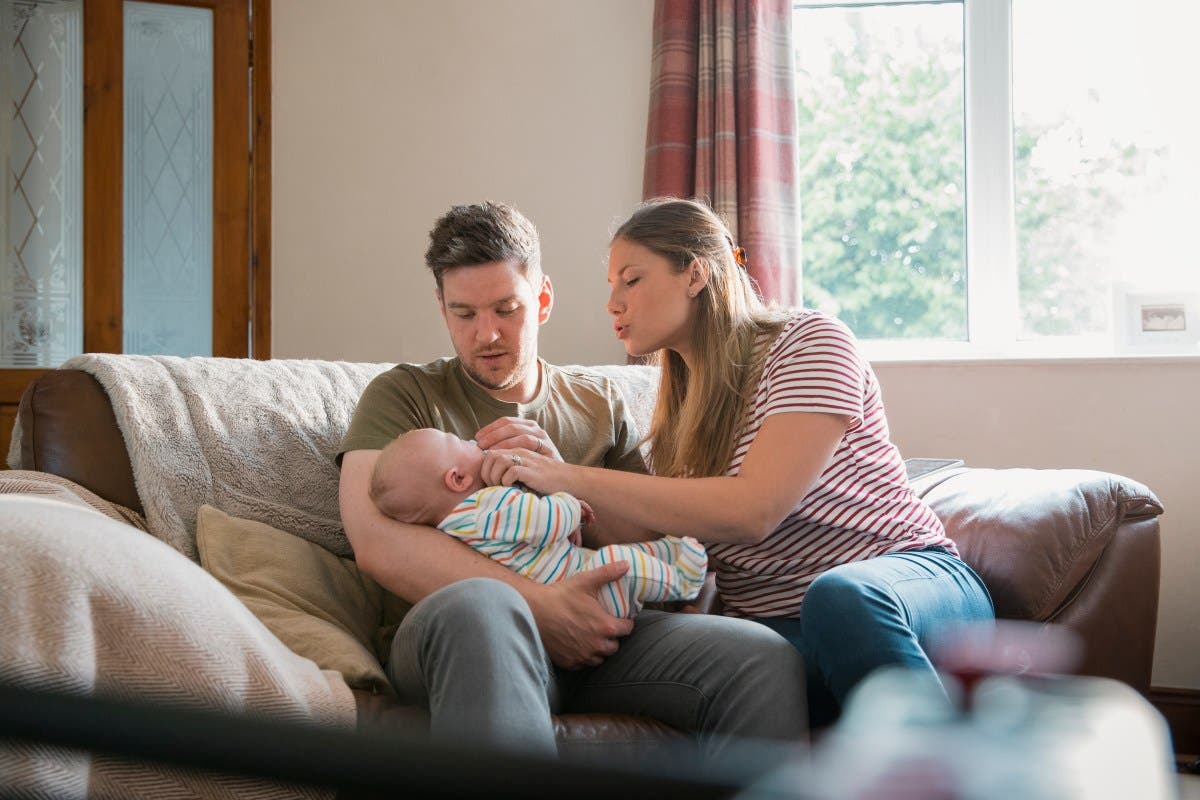
Building a resilient child begins from the earliest months of life, according to psychologists who emphasize the importance of consistent nurturing and responsive caregiving. Research indicates that resilience is not an inherent trait but rather a quality developed through daily interactions between infants and their caregivers. This foundational work is crucial as it shapes the child’s emotional strength, confidence, and ability to adapt to challenges.
Fostering Resilience Through Caregiver Interaction
Dr. Ashleigh Powell, a chartered clinical psychologist, explains that resilience starts forming within the primary attachment relationship, even before a baby can speak. “When infants experience distress, each moment a caregiver helps soothe them teaches the child’s brain that they can cope with significant emotions,” she stated. This interaction is vital, as it helps children learn that difficult feelings can be calmed.
Powell highlights the concept of co-regulation, where a parent’s soothing presence allows a baby to feel secure. This practice involves responding to a child’s cries with gentle eye contact, comforting words, or soft rocking, thus reinforcing the idea that safety and comfort follow distress. This secure attachment fosters independence and resilience as the child grows.
Creating Supportive Environments
Psychologists emphasize that predictable routines are essential for a baby’s emotional development. Powell notes that structure reduces stress hormones and instills a feeling of safety. “Daily routines that encourage connection, such as cuddling or bedtime songs, create a rhythm that the infant’s nervous system recognizes,” she explained.
In addition to providing a secure environment, allowing babies to face challenges is crucial for building resilience. Charlotte Cook, a psychotherapist with over 25 years of experience, advises parents to resist the urge to intervene immediately when their child encounters difficulties. “When a baby struggles with stacking blocks or fitting shapes, that effort is vital for developing resilience,” Cook stated. Encouraging children to try again while acknowledging their frustration helps them learn to manage their emotions independently.
Cook also emphasizes the importance of modeling calm responses to challenges. “When something goes wrong, how do you react? Your child is observing you,” she remarked. By demonstrating problem-solving and resilience in the face of obstacles, parents can teach their children to respond similarly.
Both Powell and Cook stress that resilience develops through a combination of connection, consistency, and care. By creating a nurturing environment where a baby feels seen, soothed, and supported, parents are equipping them with the confidence needed to navigate life’s challenges. In doing so, they are not just comforting their child in the moment but also fostering long-term emotional strength and adaptability.

Priyanka Chopra and Nick Jonas Shine at 2026 Golden Globes

Alnylam Unveils Ambitious Five-Year Growth Strategy

Sport Psychologist Darby Bonomi Helps Clients Achieve Peak Performance

Federal Agents Conduct Major Immigration Raids Amid Protests

Security Guard Dies at 2026 Winter Olympics Construction Site

Rachel Campos-Duffy Exits FOX Noticias; Andrea Linares Steps In

Piper Rockelle Shatters Record with $2.3M First Day on OnlyFans

Meta’s 2026 AI Policy Sparks Outrage Over Privacy Concerns

Leon Goretzka Considers Barcelona Move as Transfer Window Approaches

Urgent Update: Denver Fire Forces Mass Evacuations, 100+ Firefighters Battling Blaze
-
Top Stories1 month ago
Rachel Campos-Duffy Exits FOX Noticias; Andrea Linares Steps In
-
Top Stories1 week ago
Piper Rockelle Shatters Record with $2.3M First Day on OnlyFans
-
Top Stories6 days ago
Meta’s 2026 AI Policy Sparks Outrage Over Privacy Concerns
-
Sports5 days ago
Leon Goretzka Considers Barcelona Move as Transfer Window Approaches
-
Top Stories1 week ago
Urgent Update: Denver Fire Forces Mass Evacuations, 100+ Firefighters Battling Blaze
-
 Top Stories1 week ago
OnlyFans Creator Lily Phillips Reconnects with Faith in Rebaptism
-
 Top Stories5 days ago
Warnock Joins Buddhist Monks on Urgent 2,300-Mile Peace Walk
-
 Entertainment5 days ago
Tom Brady Signals Disinterest in Alix Earle Over Privacy Concerns
-
 Top Stories7 days ago
Oregon Pilot and Three Niece Die in Arizona Helicopter Crash
-
 Top Stories4 days ago
CBS Officially Renames Yellowstone Spin-off to Marshals
-
 Health2 months ago
Terry Bradshaw Updates Fans on Health After Absence from FOX NFL Sunday
-
 Sports4 days ago
South Carolina Faces Arkansas in Key Women’s Basketball Clash