
Health
Neurosurgeon Claims Near-Death Experience Offers Proof of Heaven


A prominent neurosurgeon, Dr. Eben Alexander, asserts that his near-death experience (NDE) during a severe case of bacterial meningitis has provided him with evidence of an afterlife. This bold claim has sparked significant debate within both scientific and spiritual communities. After spending over a week in a coma in July 2008, Alexander emerged with a transformative narrative about encountering heaven, challenging conventional medical explanations of NDEs.
Dr. Alexander, who lives in Charlottesville, Virginia, describes his experience as an extraordinary journey through a realm of light and love. He states, “Death is an adventure,” reflecting on the profound impact of his experience on his life and beliefs. Prior to his coma, Alexander identified primarily with scientific materialism, having been trained at Harvard. However, his NDE led him to embrace a spiritual perspective, asserting that consciousness exists beyond the physical brain.
Understanding Near-Death Experiences
NDEs commonly feature elements such as moving through a tunnel, encountering bright lights, and meeting spiritual beings. These experiences often occur when individuals are near death or have been clinically dead but are revived. Research indicates that nearly 20% of cardiac arrest survivors report having such experiences. Dr. Alexander’s account emphasizes the vividness and reality of his journey, stating that it transcended anything he had previously known.
Following his recovery, Dr. Alexander published his experiences in the bestselling book, “Proof of Heaven,” which gained widespread attention. His assertions have been met with skepticism, particularly from scientists who attribute NDEs to chemical processes in the brain. Critics, including neuroscientist Sam Harris, propose that the experience may be linked to the release of DMT (dimethyltryptamine), a powerful psychedelic substance naturally occurring in the human body. Harris argues that a surge of DMT could occur during moments of death, potentially explaining the vivid experiences many report.
The Role of DMT in Near-Death Experiences
DMT is known for inducing profound and sometimes terrifying psychedelic experiences. It is theorized that the body may release this compound during traumatic events, including death. Rick Strassman, a psychiatrist who conducted pioneering research on DMT, suggested that the substance could play a role in the visual and emotional experiences characteristic of NDEs. Strassman’s studies, conducted in the late 20th century, proposed that DMT might be released from the pineal gland, often referred to as the “third eye” in various spiritual traditions.
In a recent study, Jimo Borjigin, a professor at the University of Michigan, and her team found that DMT levels did increase in dying rats. However, she cautions that these increases were relatively small compared to significant surges in other neurotransmitters, such as dopamine and norepinephrine, which could also contribute to the sensations reported during NDEs. This suggests a more complex interplay of neurochemicals at the time of death rather than a singular explanation through DMT.
Dr. Bruce Greyson, a leading scholar in the field of NDEs, highlights the cultural aspects of these experiences. He notes that while individuals often report similar elements during NDEs—such as feelings of peace and encounters with deceased relatives—the interpretations of these experiences can be heavily influenced by cultural and religious backgrounds. This indicates that personal beliefs and societal narratives shape how people recount their journeys through the afterlife.
The ongoing discourse surrounding NDEs and their implications continues to capture public interest. Dr. Alexander’s narrative offers not only a personal testament to a transformative experience but also raises significant questions about the nature of consciousness, the possibility of an afterlife, and the intersection between science and spirituality.
As research in this field progresses, understanding the mechanisms behind NDEs and the role of substances like DMT remains a critical area of inquiry. The debate over whether these experiences serve as evidence of an afterlife or can be explained through physiological processes is likely to continue, prompting further exploration into what happens when life comes to an end.

Lifeguards Rescue Unresponsive Man at Sherwood’s Beach, Hawaii

Powell Faces Criminal Investigation as White House Intensifies Pressure

Priyanka Chopra and Nick Jonas Shine at 2026 Golden Globes
Alnylam Unveils Ambitious Five-Year Growth Strategy
Sport Psychologist Darby Bonomi Helps Clients Achieve Peak Performance

Rachel Campos-Duffy Exits FOX Noticias; Andrea Linares Steps In

Piper Rockelle Shatters Record with $2.3M First Day on OnlyFans

Meta’s 2026 AI Policy Sparks Outrage Over Privacy Concerns

Leon Goretzka Considers Barcelona Move as Transfer Window Approaches
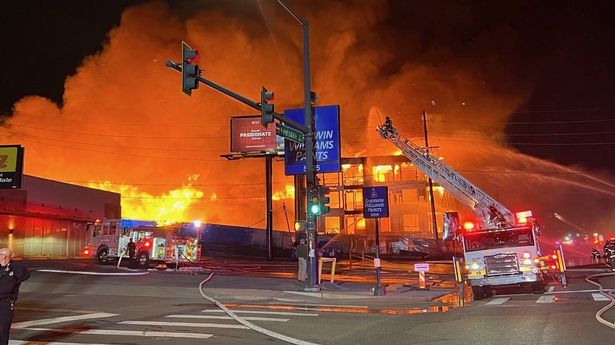
Urgent Update: Denver Fire Forces Mass Evacuations, 100+ Firefighters Battling Blaze
-
Top Stories1 month ago
Rachel Campos-Duffy Exits FOX Noticias; Andrea Linares Steps In
-
Top Stories1 week ago
Piper Rockelle Shatters Record with $2.3M First Day on OnlyFans
-
Top Stories6 days ago
Meta’s 2026 AI Policy Sparks Outrage Over Privacy Concerns
-
Sports5 days ago
Leon Goretzka Considers Barcelona Move as Transfer Window Approaches
-
Top Stories1 week ago
Urgent Update: Denver Fire Forces Mass Evacuations, 100+ Firefighters Battling Blaze
-
 Top Stories1 week ago
OnlyFans Creator Lily Phillips Reconnects with Faith in Rebaptism
-
 Top Stories5 days ago
Warnock Joins Buddhist Monks on Urgent 2,300-Mile Peace Walk
-
 Entertainment6 days ago
Tom Brady Signals Disinterest in Alix Earle Over Privacy Concerns
-
 Top Stories1 week ago
Oregon Pilot and Three Niece Die in Arizona Helicopter Crash
-
 Top Stories4 days ago
CBS Officially Renames Yellowstone Spin-off to Marshals
-
 Health2 months ago
Terry Bradshaw Updates Fans on Health After Absence from FOX NFL Sunday
-
 Sports4 days ago
South Carolina Faces Arkansas in Key Women’s Basketball Clash