
Health
Health Insurance Costs Set to Double for 22 Million Americans

Health insurance costs are poised to more than double for approximately 22 million Americans starting on January 1, 2026. This significant increase follows the U.S. Congress’ decision not to extend key subsidies that have been instrumental in lowering premium costs under the Affordable Care Act (ACA). The expiration of these enhanced premium tax credits will result in enrollees facing a much larger share of their health insurance expenses.
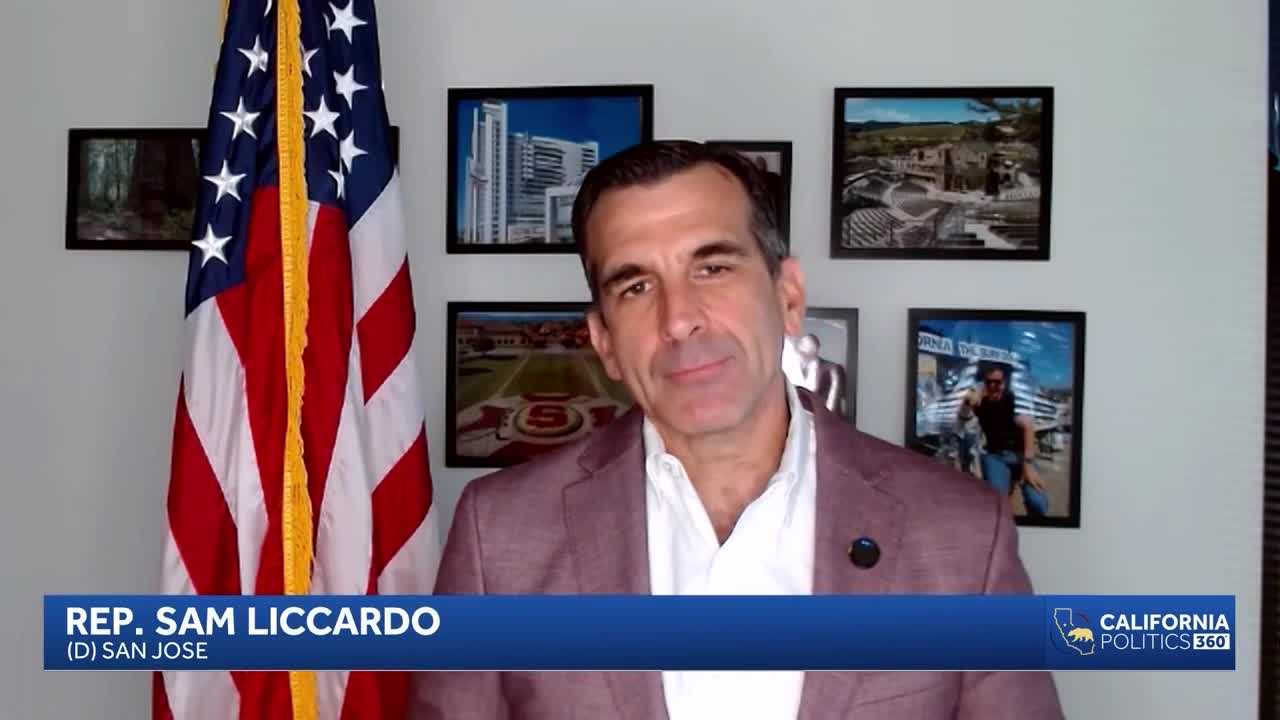
California representatives, Rep. Kevin Kiley (Republican) and Rep. Sam Liccardo (Democrat), attempted to address this issue by introducing a bipartisan proposal known as the “Fix It Act.” Their plan aimed to extend the tax credits for another two years by implementing various insurance reforms and other cost-saving measures. This initiative emerged amid a congressional stalemate over the subsidies, which contributed to a recent government shutdown.
Despite the efforts from Kiley and Liccardo, the House of Representatives is now expected to vote on a different proposal—a three-year extension pushed primarily by Democrats, with support from a few Republicans. This proposal was initiated through a procedural maneuver to bring the bill to the House floor. However, House Speaker Mike Johnson chose not to hold that vote before representatives left for the holiday recess.
Liccardo expressed frustration over the lack of progress, stating, “We thought we had a good compromise, many Republicans joined us in a bipartisan effort, and as we know, the momentum of the House has changed in different ways.” Without the enhanced subsidies, experts, including Liccardo, predict that between two to three million Americans may lose their health insurance, as many will be unable to afford premiums that are expected to more than double.
The demographic most impacted by this change is likely to be younger and healthier individuals currently enrolled in the ACA. Liccardo warns that a reduction in this segment of the insurance pool could drive up premiums for all enrollees. “That means all of our premiums will be 5% higher on average, because we no longer have as healthy an insurance pool,” he explained. “So all of us bear the cost for the failure to bring more people into the ACA insurance pool.”
Political pressure surrounding this issue is palpable, with Liccardo noting that representatives from both parties are feeling the heat. He emphasized that Americans across the political spectrum will be severely affected by rising healthcare costs, potentially leading to electoral consequences for those deemed responsible.
Looking ahead, Liccardo anticipates that the House will ultimately pass the proposed three-year extension of the enhanced premium tax credits in January, after the subsidies have expired. He foresees this bill facing challenges in the Senate, necessitating further negotiations to reach a viable compromise. “I’m working hard with colleagues in the Senate to see if we can get to a space where we can include some cost savings with extensions so we can actually help folks, but it means everyone is going to feel the pain in January,” Liccardo stated.
As discussions continue, the future of health insurance costs for millions of Americans hangs in the balance, with significant implications for both individuals and the healthcare system at large.
DNC Chair Ken Martin Accuses Trump of Election Fraud Lies

Barbie Breaks Ground with First Doll on the Autism Spectrum

Barbie Launches First Autism-Inclusive Doll, Sparking Joy and Representation

Judge Marianne Sezon Launches Re-election Campaign for Third Term

Ohio Marina Conference Set for February 26 at Geneva Lodge

Rachel Campos-Duffy Exits FOX Noticias; Andrea Linares Steps In

Piper Rockelle Shatters Record with $2.3M First Day on OnlyFans

Meta’s 2026 AI Policy Sparks Outrage Over Privacy Concerns

Leon Goretzka Considers Barcelona Move as Transfer Window Approaches

Urgent Update: Denver Fire Forces Mass Evacuations, 100+ Firefighters Battling Blaze
-
Top Stories1 month ago
Rachel Campos-Duffy Exits FOX Noticias; Andrea Linares Steps In
-
Top Stories1 week ago
Piper Rockelle Shatters Record with $2.3M First Day on OnlyFans
-
Top Stories6 days ago
Meta’s 2026 AI Policy Sparks Outrage Over Privacy Concerns
-
Sports5 days ago
Leon Goretzka Considers Barcelona Move as Transfer Window Approaches
-
Top Stories1 week ago
Urgent Update: Denver Fire Forces Mass Evacuations, 100+ Firefighters Battling Blaze
-
 Top Stories1 week ago
OnlyFans Creator Lily Phillips Reconnects with Faith in Rebaptism
-
 Top Stories5 days ago
Warnock Joins Buddhist Monks on Urgent 2,300-Mile Peace Walk
-
 Entertainment6 days ago
Tom Brady Signals Disinterest in Alix Earle Over Privacy Concerns
-
 Top Stories1 week ago
Oregon Pilot and Three Niece Die in Arizona Helicopter Crash
-
 Health2 months ago
Terry Bradshaw Updates Fans on Health After Absence from FOX NFL Sunday
-
 Top Stories4 days ago
CBS Officially Renames Yellowstone Spin-off to Marshals
-
 Sports4 days ago
South Carolina Faces Arkansas in Key Women’s Basketball Clash