
Health
Cultivating a Healthy Media Diet for Informed Citizens


In an increasingly complex information landscape, the quality of media consumption plays a pivotal role in shaping public discourse and individual understanding. Rich Howell, a resident of Nevada City, emphasizes the necessity of maintaining a healthy media diet, akin to a disciplined approach to nutrition. Just as a well-organized kitchen filled with nutritious options promotes healthy eating, a carefully curated media experience can foster informed decision-making.
Howell argues that many individuals fall prey to sensationalized media that prioritizes immediate emotional responses over substantive content. “Media offers quick hits of fear, rage, and partisan spin,” he notes, suggesting that such content can manipulate audience behavior and cloud judgment. The challenge lies in discerning what information is genuinely relevant to one’s values and daily life.
Understanding the Impact of Media Choices
According to Howell, the media landscape is rife with noise that can distract from pressing issues. He advocates for a thoughtful approach to media consumption, where choices are driven by value rather than convenience. This method enables individuals to sift through vast amounts of information and focus on what truly matters.
Howell encourages voters to adopt a scientific mindset when evaluating political candidates and their policies. Intelligent voters, he asserts, should be data-driven, analyzing candidate actions and platforms to make informed choices. “Do you own your thoughts, or have you given your brain over to media?” he challenges, prompting a critical examination of how media shapes perceptions and opinions.
In his critique, Howell expresses concern over the reliance on broad, often vague political labels such as “liberal,” “conservative,” “collectivist,” and “right-wing.” He warns that such terminology can lead to a distorted understanding of political issues, driven more by media narratives than by concrete realities.
The Path to Informed Engagement
To foster a more informed electorate, Howell suggests that individuals must actively engage with media content that aligns with their core beliefs and values. By consciously choosing sources that provide depth and relevance, citizens can equip themselves to participate in democracy meaningfully.
The call to action is clear: individuals must take ownership of their media consumption habits. Rather than allowing external forces to dictate their thoughts, citizens should cultivate a discerning approach to information, prioritizing substance over sensationalism. As Howell articulates, this disciplined media diet is integral to achieving greater wisdom and informed civic engagement.
In summary, Howell’s perspective serves as a reminder of the importance of being selective about the media we consume. By striving for a healthier media diet, individuals can become more informed, engaged citizens who contribute positively to the political landscape.
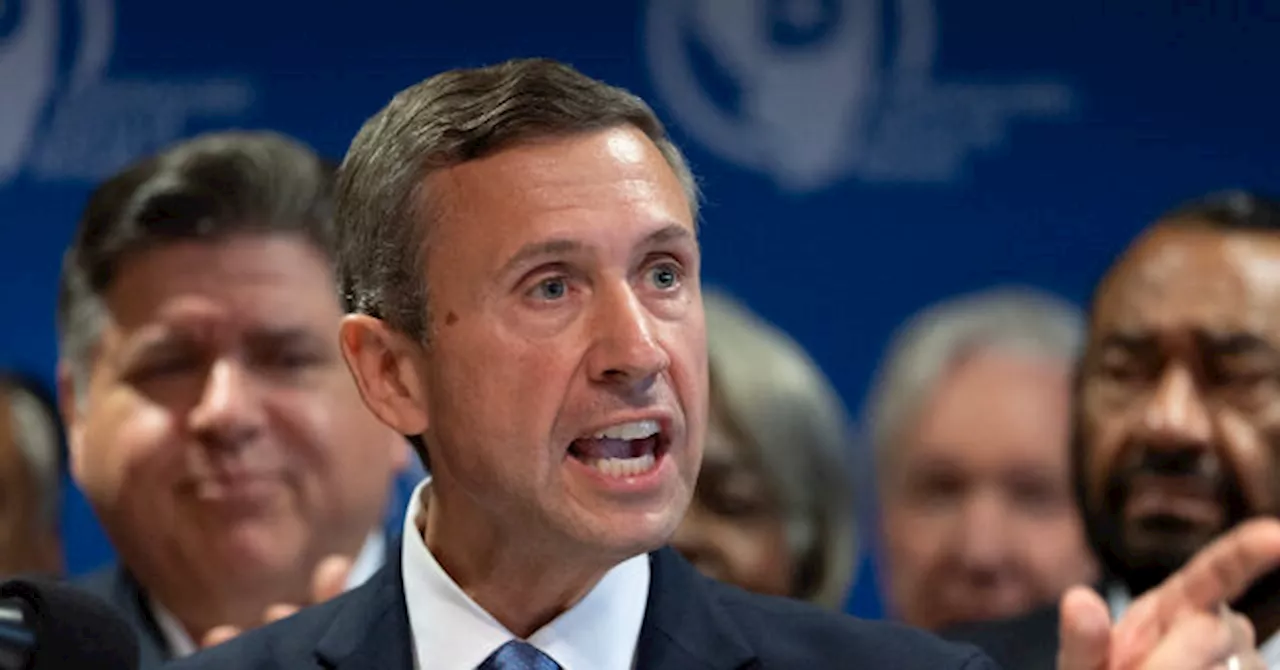
DNC Chair Ken Martin Accuses Trump of Election Fraud Lies

Barbie Breaks Ground with First Doll on the Autism Spectrum

Barbie Launches First Autism-Inclusive Doll, Sparking Joy and Representation

Judge Marianne Sezon Launches Re-election Campaign for Third Term

Ohio Marina Conference Set for February 26 at Geneva Lodge

Rachel Campos-Duffy Exits FOX Noticias; Andrea Linares Steps In

Piper Rockelle Shatters Record with $2.3M First Day on OnlyFans

Meta’s 2026 AI Policy Sparks Outrage Over Privacy Concerns

Leon Goretzka Considers Barcelona Move as Transfer Window Approaches

Urgent Update: Denver Fire Forces Mass Evacuations, 100+ Firefighters Battling Blaze
-
Top Stories1 month ago
Rachel Campos-Duffy Exits FOX Noticias; Andrea Linares Steps In
-
Top Stories1 week ago
Piper Rockelle Shatters Record with $2.3M First Day on OnlyFans
-
Top Stories6 days ago
Meta’s 2026 AI Policy Sparks Outrage Over Privacy Concerns
-
Sports5 days ago
Leon Goretzka Considers Barcelona Move as Transfer Window Approaches
-
Top Stories1 week ago
Urgent Update: Denver Fire Forces Mass Evacuations, 100+ Firefighters Battling Blaze
-
 Top Stories1 week ago
OnlyFans Creator Lily Phillips Reconnects with Faith in Rebaptism
-
 Top Stories5 days ago
Warnock Joins Buddhist Monks on Urgent 2,300-Mile Peace Walk
-
 Entertainment6 days ago
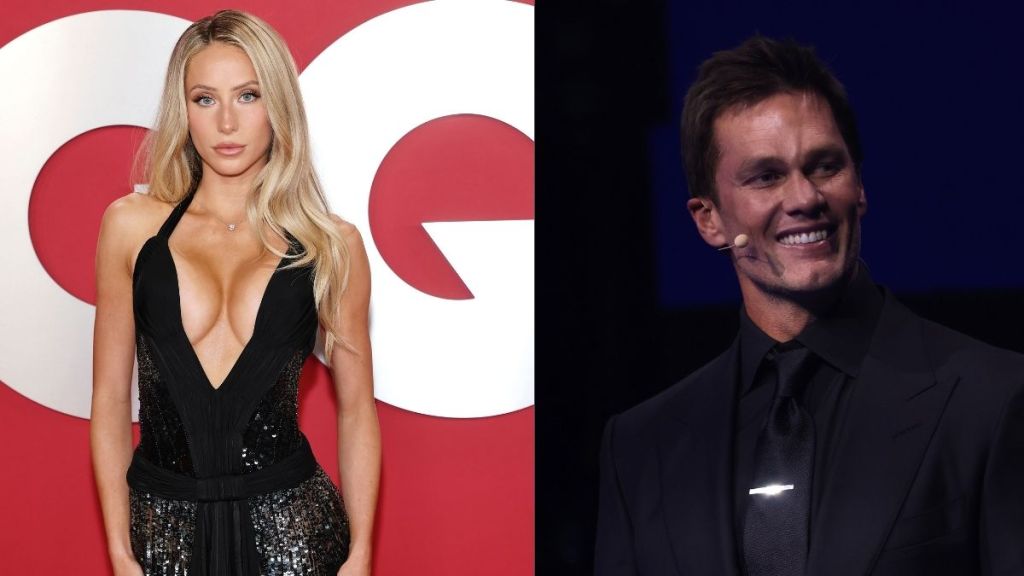
Tom Brady Signals Disinterest in Alix Earle Over Privacy Concerns
-
 Top Stories1 week ago
Oregon Pilot and Three Niece Die in Arizona Helicopter Crash
-
 Health2 months ago
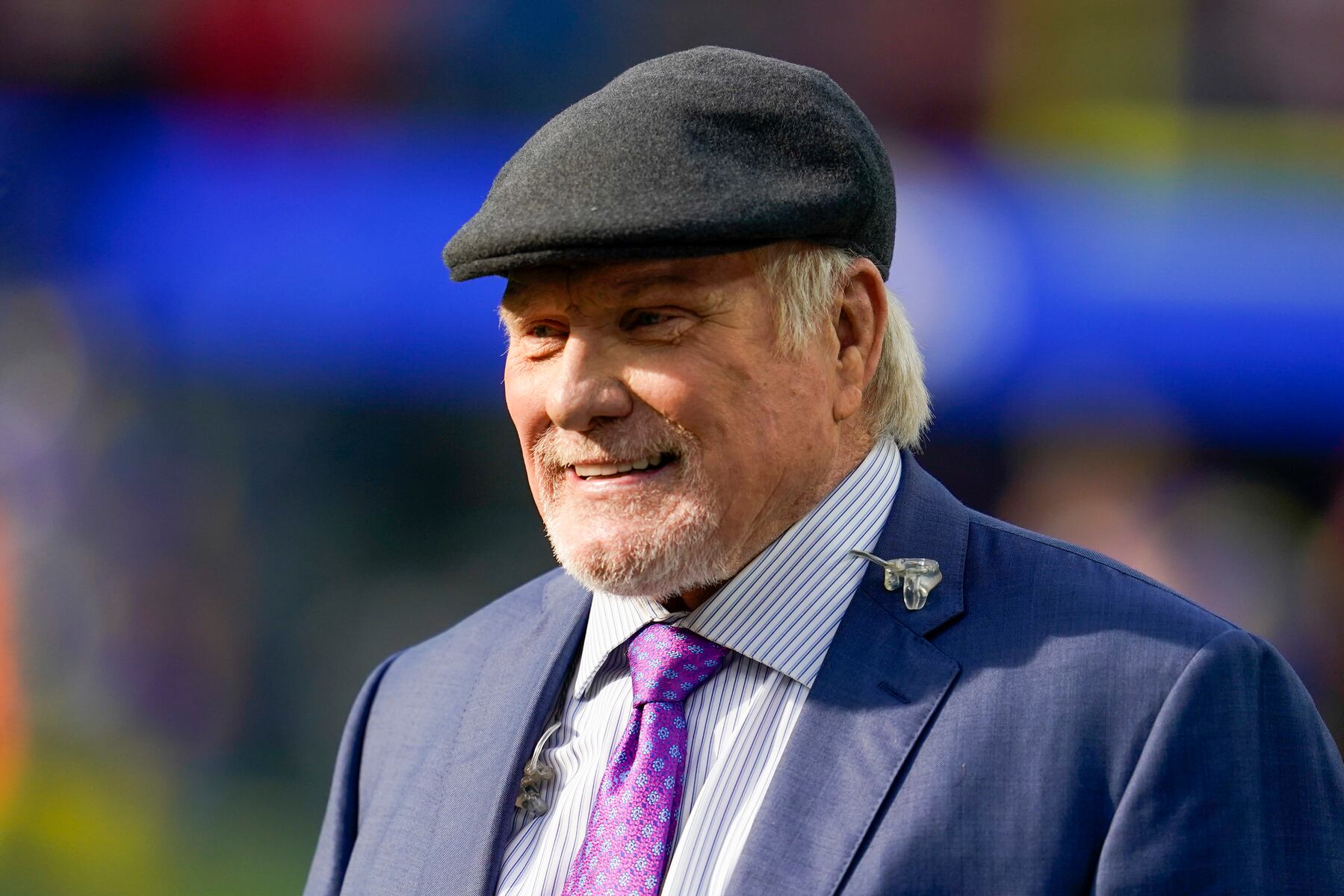
Terry Bradshaw Updates Fans on Health After Absence from FOX NFL Sunday
-
 Top Stories4 days ago
CBS Officially Renames Yellowstone Spin-off to Marshals
-
 Sports4 days ago
South Carolina Faces Arkansas in Key Women’s Basketball Clash