
Health
Accidental Stay-at-Home Dad Shares Struggles of New Role

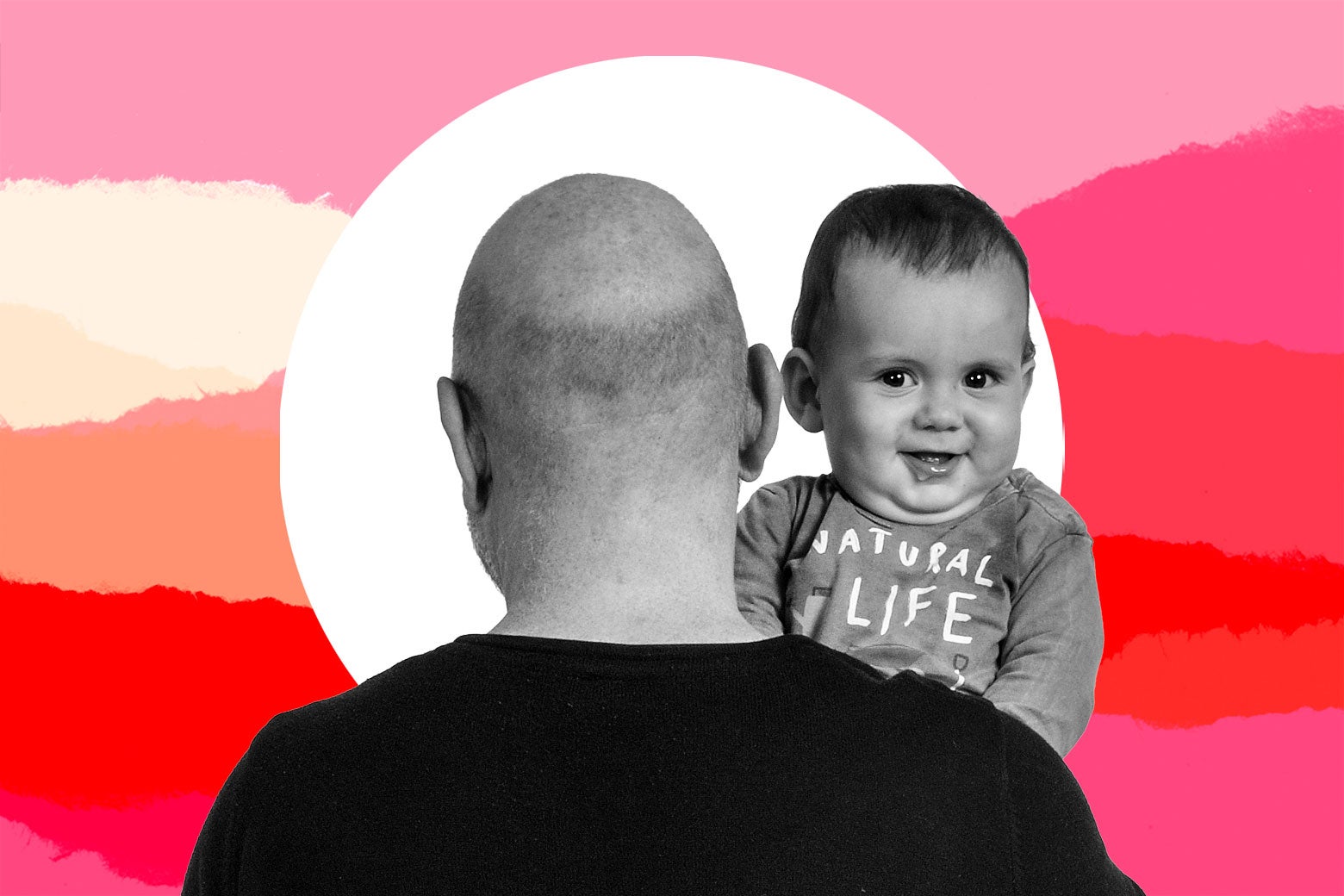
A father’s unexpected transition to being a stay-at-home dad has sparked a candid discussion about the challenges of modern parenting. In a letter submitted to the parenting advice column, Care and Feeding, a mother described how her husband, John, found himself in this role after losing his job shortly before their son was born. The couple had initially planned for a different arrangement, which has now led to feelings of isolation and inadequacy for John.
Prior to the birth of their 1-year-old child, the couple had envisioned a traditional family structure where John would work while his wife would stay at home until the children were school-aged. However, an illness in the mother’s family and John’s layoff altered their plans. With job offers insufficient to cover daycare costs, the mother returned to work after her maternity leave, leaving John to take on the full-time parenting role.
John’s struggles as a stay-at-home dad are compounded by feelings of shame and isolation, as he finds himself disconnected from both the workforce and other parents. His wife noted that local mothers tend to be standoffish, making it difficult for him to find camaraderie. Although she suggested part-time babysitting to allow John to explore part-time work, he insists that he must return to full-time employment or not at all.
The column emphasized the importance of open communication. The advice to the mother was clear: encourage John to express his feelings about their current arrangement. Seeking support from external sources, such as career coaches or local small business development centers, could provide him with the guidance he needs to navigate his career options. The idea is that sometimes, advice from an outside party can resonate differently than suggestions from a spouse.
In another letter, a mother of three young daughters shared her concerns about her youngest child, who exhibits intense emotional reactions to everyday situations. The pediatrician reassured her that the child is simply strong-willed and does not show signs of developmental disorders. The advice offered included patience and the understanding that this phase is a common part of early childhood development, as many children may struggle to express themselves effectively.
In a third inquiry, a reader expressed frustration with her parents’ comments regarding body image and weight. Growing up with parents who projected their insecurities onto her and her brother, she found that setting boundaries became essential for her mental well-being. The response suggested that having a calm conversation about her feelings could help establish healthier communication.
Lastly, a woman revealed her unease with her husband’s desire to have his mother live with them after they move back to their home country. While she is open to family visits, the prospect of permanent cohabitation has raised concerns. The advice provided encouraged her to discuss her feelings openly with her husband to reach a mutual understanding.
Through these letters, the column highlights the myriad challenges faced by parents today, from navigating job loss and emotional development to managing family dynamics and personal boundaries. Each story underscores the importance of communication, understanding, and seeking outside support in the journey of parenthood.

Barbie Breaks Ground with First Doll on the Autism Spectrum

Barbie Launches First Autism-Inclusive Doll, Sparking Joy and Representation

Judge Marianne Sezon Launches Re-election Campaign for Third Term

Ohio Marina Conference Set for February 26 at Geneva Lodge

Lifeguards Rescue Unresponsive Man at Sherwood’s Beach, Hawaii

Rachel Campos-Duffy Exits FOX Noticias; Andrea Linares Steps In

Piper Rockelle Shatters Record with $2.3M First Day on OnlyFans

Meta’s 2026 AI Policy Sparks Outrage Over Privacy Concerns

Leon Goretzka Considers Barcelona Move as Transfer Window Approaches

Urgent Update: Denver Fire Forces Mass Evacuations, 100+ Firefighters Battling Blaze
-
Top Stories1 month ago
Rachel Campos-Duffy Exits FOX Noticias; Andrea Linares Steps In
-
Top Stories1 week ago
Piper Rockelle Shatters Record with $2.3M First Day on OnlyFans
-
Top Stories6 days ago
Meta’s 2026 AI Policy Sparks Outrage Over Privacy Concerns
-
Sports5 days ago
Leon Goretzka Considers Barcelona Move as Transfer Window Approaches
-
Top Stories1 week ago
Urgent Update: Denver Fire Forces Mass Evacuations, 100+ Firefighters Battling Blaze
-
 Top Stories1 week ago
OnlyFans Creator Lily Phillips Reconnects with Faith in Rebaptism
-
 Top Stories5 days ago
Warnock Joins Buddhist Monks on Urgent 2,300-Mile Peace Walk
-
 Entertainment6 days ago
Tom Brady Signals Disinterest in Alix Earle Over Privacy Concerns
-
 Top Stories1 week ago
Oregon Pilot and Three Niece Die in Arizona Helicopter Crash
-
 Top Stories4 days ago
CBS Officially Renames Yellowstone Spin-off to Marshals
-
 Health2 months ago
Terry Bradshaw Updates Fans on Health After Absence from FOX NFL Sunday
-
 Sports4 days ago
South Carolina Faces Arkansas in Key Women’s Basketball Clash