
Education
Remembering William McClure: Pioneer of Neuroscience Education

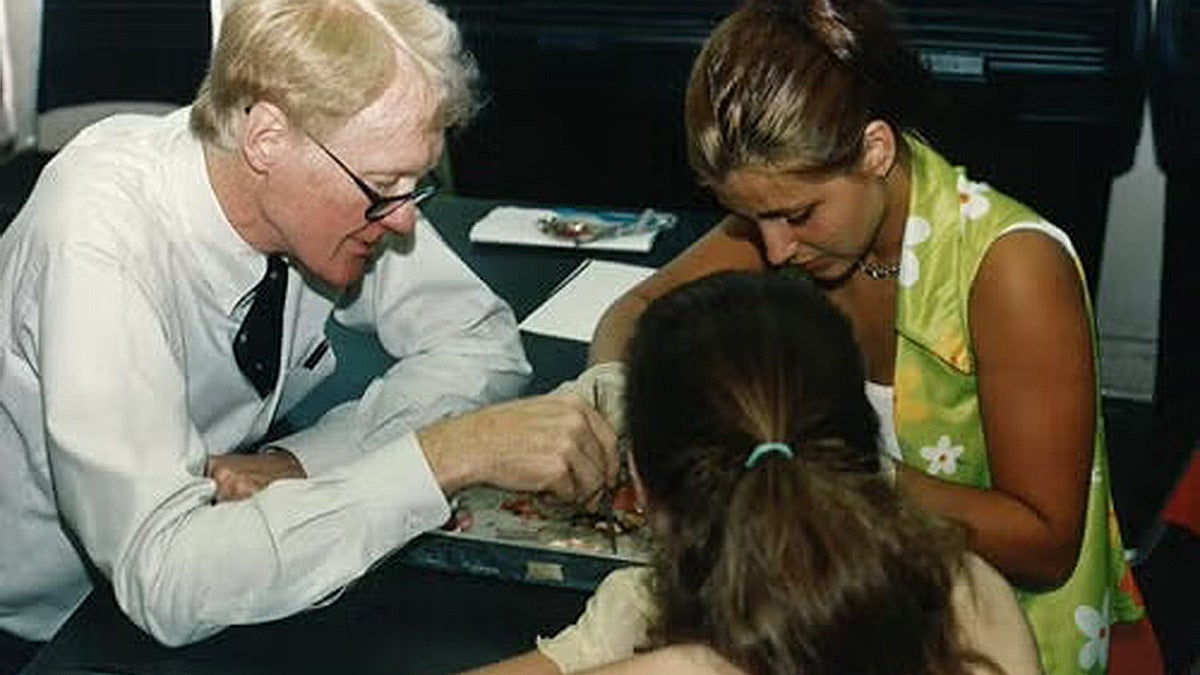
William “Bill” McClure, a distinguished scientist and influential figure in the development of neuroscience programs at the University of Southern California (USC), passed away on July 24, 2023, at the age of 87. His contributions to the field of neuroscience and education have left an indelible mark, shaping both research and academic curricula at USC Dornsife College of Letters, Arts and Sciences.
Born in Yakima, Washington, McClure displayed an early fascination with mechanics, which evolved into a lifelong commitment to understanding scientific principles. His academic journey began at the California Institute of Technology, where he earned a bachelor’s degree in chemistry and biology in 1959. He later completed a PhD in biochemistry at the University of Washington in 1964. McClure’s early career included positions at prestigious institutions such as The Rockefeller University in New York City and the University of Illinois Urbana-Champaign.
In 1968, McClure participated in a groundbreaking research program hosted by the Neuroscience Research Program at the American Academy of Arts and Sciences. This initiative, founded by Francis Schmitt of the Massachusetts Institute of Technology, played a crucial role in establishing neuroscience as a formal academic discipline. Despite initial resistance from his department, McClure’s passion for neuroscience led him to accept an invitation to launch a neuroscience institute at USC Dornsife in 1975.
McClure’s tenure at USC was marked by significant achievements. He became a full professor in 1975 and continued to lead efforts in developing the Neural, Informational, and Behavioral Sciences program. This initiative attracted prominent scientists to USC, fostering a vibrant research environment. He also oversaw the construction of the Hedco Neurosciences Building, which opened in 1989. His leadership was integral to the establishment of the Neuroscience Graduate program, further solidifying USC’s reputation in the field.
Throughout his career, McClure held several patents and served as vice president of scientific affairs for the Nelson Research and Development Company from 1972 to 1992. He was a respected member of professional organizations, including the American Association for the Advancement of Science. In recognition of his contributions, he received USC’s Peer Achievement Award and the Presidential Medallion, the university’s highest honor, in 2003.
McClure’s impact extended beyond his research and administrative roles; he was also a dedicated mentor. Many of his students maintained lifelong connections with him, testifying to his influence on their personal and professional lives. His daughter, Heather McClure, noted that her father’s mentorship created deep bonds, with some students referring to him as “dad” even years after graduation.
Former student Michael Khandelwal, who worked closely with McClure as a teacher’s assistant, credited him with shaping his identity and career path. Khandelwal reflected, “If I had not met Bill, most of what I consider to be me or my life would not be the same.” Similarly, Beth Zelonis Shou, now an emergency medicine physician, was inspired by McClure’s passion for science. She spent four years in his lab studying schizophrenia while enjoying M&Ms, a testament to the supportive environment he fostered.
After retiring in 2013, McClure continued to influence young minds as a program director and instructor with Thrive Scholars, an organization dedicated to supporting high-achieving students from low-income backgrounds. He also took up sailing, racing from Los Angeles to Hawaii and co-founding the Offshore Racing Foundation to promote diversity in the sport.
McClure is survived by his daughter, granddaughter, sisters, nieces, and nephews, as well as his former wife, Pamela McClure-Johnston. He was predeceased by his son, Rexford McClure, and his second wife, Sara Joan Rorke, who passed away in 2006. His legacy as an educator, mentor, and pioneer in neuroscience will be remembered and celebrated by those whose lives he touched.

Shay Mitchell Rocks Tiny Micro Shorts on Costa Rica Vacation

Addison Rae Dares to Dazzle in Thong-Baring Spa Selfie

Hamilton’s Real Estate Market: Top Seven Home Sales Unveiled

Justice Department Launches Task Force to Challenge State AI Laws
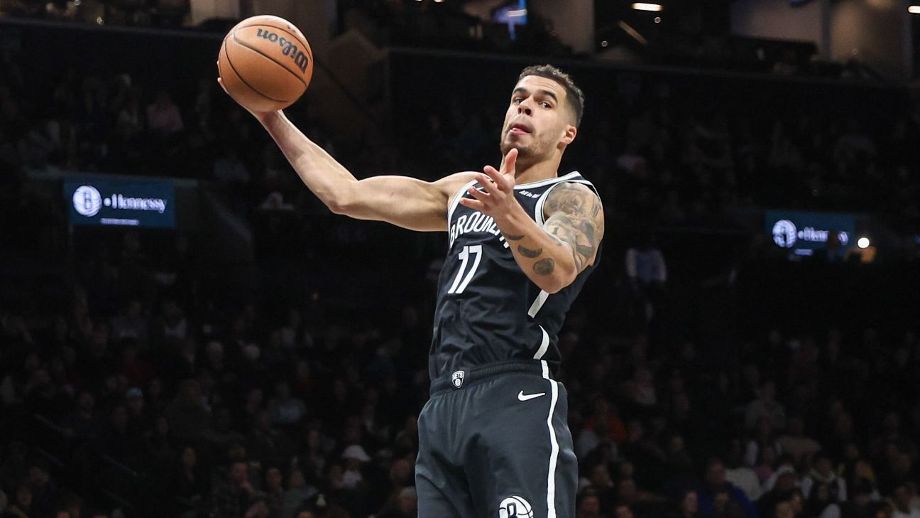
Michael Porter Jr. and Derrick White Shine as Fantasy Stars This Week

Piper Rockelle Shatters Record with $2.3M First Day on OnlyFans

Meta’s 2026 AI Policy Sparks Outrage Over Privacy Concerns

Urgent Update: Denver Fire Forces Mass Evacuations, 100+ Firefighters Battling Blaze

OnlyFans Creator Lily Phillips Reconnects with Faith in Rebaptism
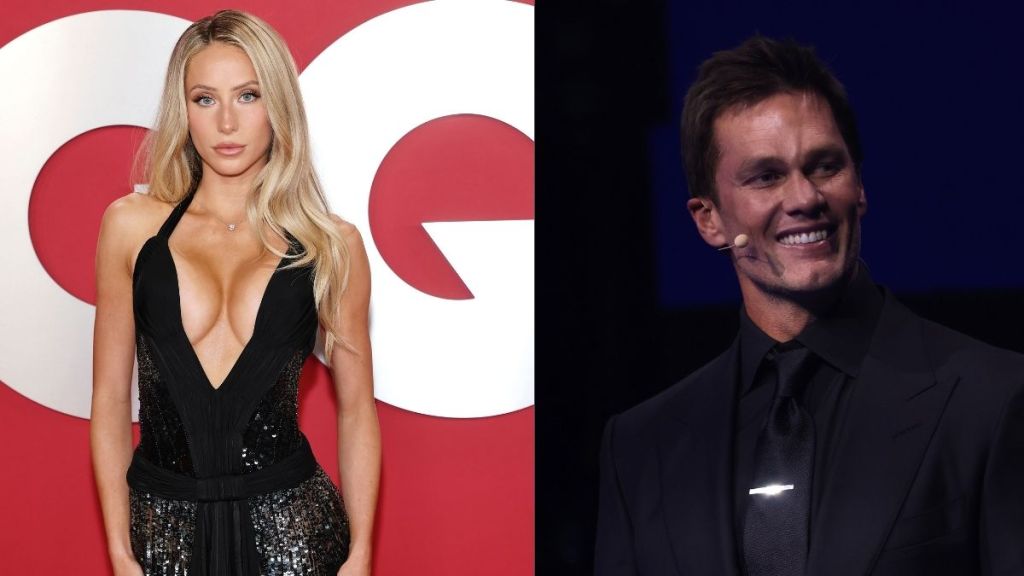
Tom Brady Signals Disinterest in Alix Earle Over Privacy Concerns
-
Top Stories1 week ago
Piper Rockelle Shatters Record with $2.3M First Day on OnlyFans
-
Top Stories4 days ago
Meta’s 2026 AI Policy Sparks Outrage Over Privacy Concerns
-
Top Stories7 days ago
Urgent Update: Denver Fire Forces Mass Evacuations, 100+ Firefighters Battling Blaze
-
Top Stories1 week ago
OnlyFans Creator Lily Phillips Reconnects with Faith in Rebaptism
-
Entertainment4 days ago
Tom Brady Signals Disinterest in Alix Earle Over Privacy Concerns
-
 Top Stories5 days ago
Oregon Pilot and Three Niece Die in Arizona Helicopter Crash
-
 Sports3 days ago
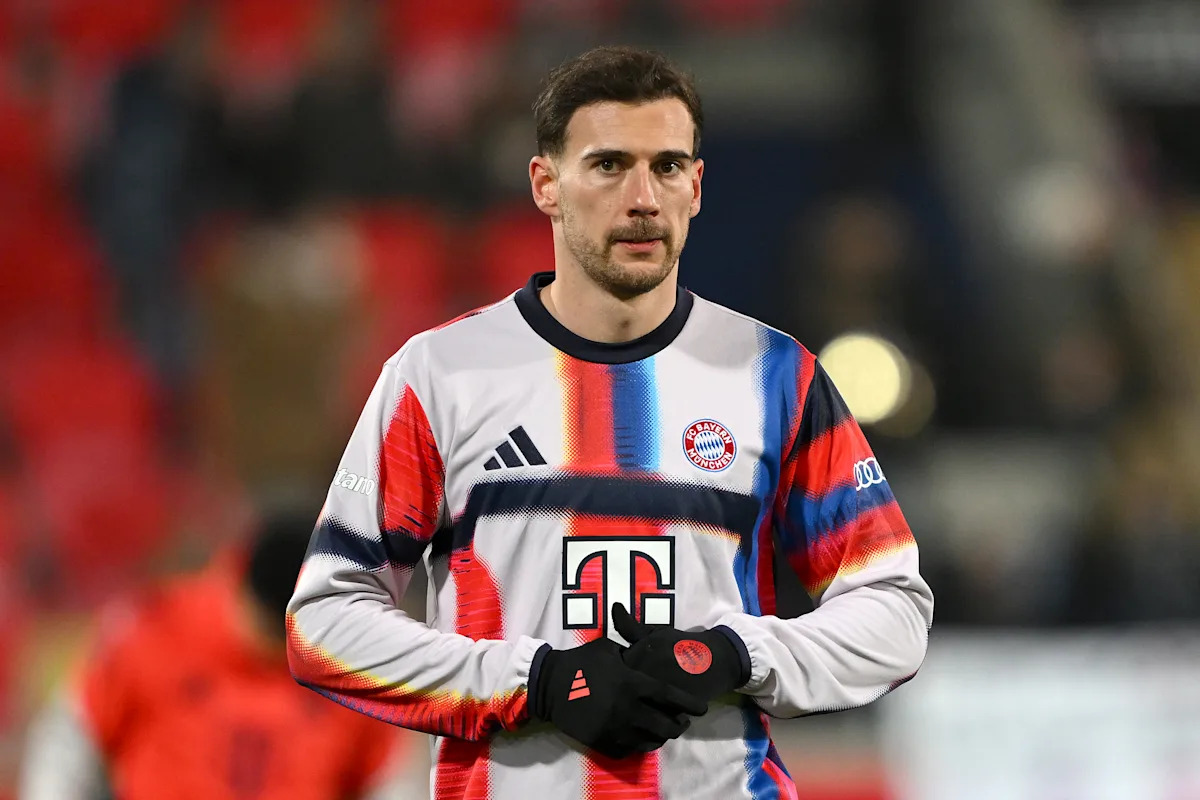
Leon Goretzka Considers Barcelona Move as Transfer Window Approaches
-
 Top Stories2 days ago
CBS Officially Renames Yellowstone Spin-off to Marshals
-
 Health2 months ago
Terry Bradshaw Updates Fans on Health After Absence from FOX NFL Sunday
-
 World1 week ago
Tragedy in Crans-Montana: Fire Claims Lives of Holiday Revelers
-
 Sports2 days ago
South Carolina Faces Arkansas in Key Women’s Basketball Clash
-
 World1 week ago
Fire Claims Lives at New Year’s Party in Swiss Ski Resort