
Education
Iowa GOP Intensifies Oversight of Public Universities in 2026

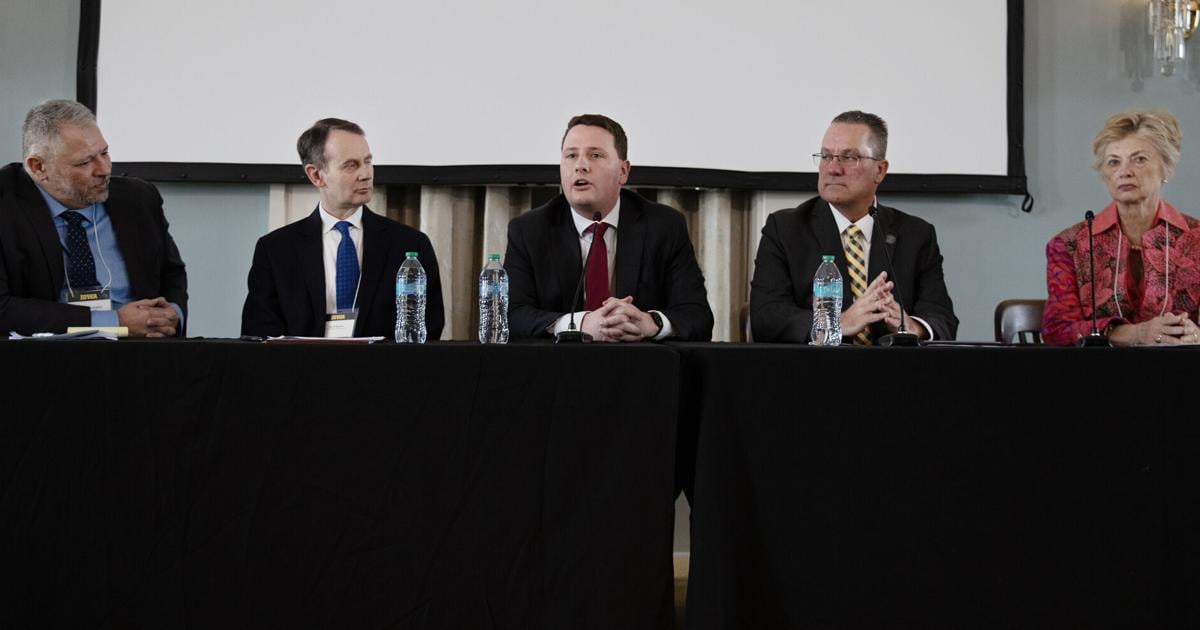
With the Iowa General Assembly set to reconvene in Des Moines on March 16, 2026, Republican lawmakers are preparing to intensify their scrutiny of public universities in the state. This renewed focus follows the establishment of a new standing committee dedicated to overseeing higher education, which was formed in the previous legislative session. Chair Taylor Collins has committed to maintaining a vigilant approach toward the operations and funding of Iowa’s public colleges and universities.
Legislative Priorities and Committee Goals
The newly formed committee aims to address concerns regarding transparency and accountability within the state’s higher education system. Collins stated that the committee’s objectives will include reviewing financial practices, enrollment trends, and the overall effectiveness of programs at institutions such as Iowa State University and the University of Iowa. “We need to ensure that taxpayer dollars are being spent wisely and that our universities serve their primary purpose of educating students,” Collins emphasized.
Lawmakers are particularly focused on how state funding is allocated among the institutions, with discussions anticipated around the budgetary needs for the upcoming fiscal year. The Iowa Board of Regents is expected to present its budget requests, which will be closely examined by the committee.
As part of their oversight, lawmakers will also look into the universities’ responses to recent national trends in higher education, particularly regarding enrollment declines and the rising costs of tuition. The committee has signaled that it will not shy away from proposing reforms aimed at improving these issues.
Impact on Students and Faculty
For students and faculty, the intensified scrutiny could lead to significant changes in how universities operate. Critics argue that excessive legislative oversight could hinder academic freedom and innovation. On the other hand, proponents of the legislative approach claim it is necessary for ensuring that institutions remain accountable to the public.
As the committee prepares to convene, concerns have been raised regarding the potential impact on university programs, especially those that rely heavily on state funding. The future of initiatives designed to enhance student diversity and support underrepresented groups may also be at stake, as budgetary constraints could limit their expansion.
Furthermore, the committee’s focus on accountability may affect hiring practices and faculty positions, particularly in programs deemed less critical to the university’s mission. Faculty members have expressed apprehension about these developments, fearing that legislative pressures could stifle academic pursuits.
As the session progresses, both supporters and critics of the Iowa GOP’s approach will be watching closely. The outcomes of this legislative session could set a precedent for how higher education is governed in Iowa for years to come.
Ultimately, the decisions made by the Iowa General Assembly will reflect broader societal views on the value and direction of public education. With the balance between legislative oversight and institutional autonomy at stake, the coming months will be pivotal for Iowa’s higher education landscape.

Rising Prescription Costs Spark Outrage Among Patients

Expand Your Search: Tips for Buying a Car Out of State

Chargers and Patriots Clash in AFC Wild-Card Showdown

Tracy Letts and Carrie Coon Discuss New Broadway Play “Bug” NOW

Financial Markets Indicate Commodities ‘Supercycle’ by 2026

Rachel Campos-Duffy Exits FOX Noticias; Andrea Linares Steps In

Piper Rockelle Shatters Record with $2.3M First Day on OnlyFans

Meta’s 2026 AI Policy Sparks Outrage Over Privacy Concerns

Leon Goretzka Considers Barcelona Move as Transfer Window Approaches

Urgent Update: Denver Fire Forces Mass Evacuations, 100+ Firefighters Battling Blaze
-
Top Stories1 month ago
Rachel Campos-Duffy Exits FOX Noticias; Andrea Linares Steps In
-
Top Stories1 week ago
Piper Rockelle Shatters Record with $2.3M First Day on OnlyFans
-
Top Stories6 days ago
Meta’s 2026 AI Policy Sparks Outrage Over Privacy Concerns
-
Sports5 days ago
Leon Goretzka Considers Barcelona Move as Transfer Window Approaches
-
Top Stories1 week ago
Urgent Update: Denver Fire Forces Mass Evacuations, 100+ Firefighters Battling Blaze
-
 Top Stories1 week ago
OnlyFans Creator Lily Phillips Reconnects with Faith in Rebaptism
-
 Entertainment5 days ago
Tom Brady Signals Disinterest in Alix Earle Over Privacy Concerns
-
 Top Stories5 days ago
Warnock Joins Buddhist Monks on Urgent 2,300-Mile Peace Walk
-
 Top Stories7 days ago
Oregon Pilot and Three Niece Die in Arizona Helicopter Crash
-
 Health2 months ago
Terry Bradshaw Updates Fans on Health After Absence from FOX NFL Sunday
-
 Top Stories4 days ago
CBS Officially Renames Yellowstone Spin-off to Marshals
-
 Sports4 days ago
South Carolina Faces Arkansas in Key Women’s Basketball Clash