
Business
University of Oklahoma Faces Controversy Over Grading Practices

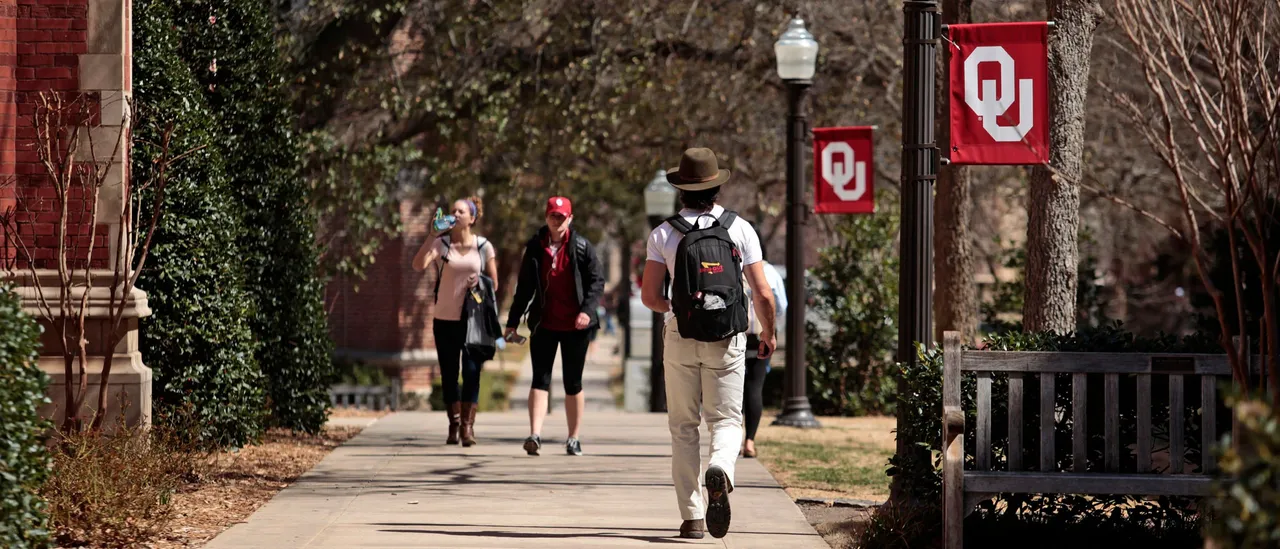
A grading dispute at the University of Oklahoma has escalated into a religious discrimination claim filed by student Samantha Fulnecky against her instructor, Mel Curth. The controversy centers around Fulnecky’s essay, which received a failing grade of zero out of 25 for a psychology course. Her submission, which argued that traditional gender roles are divinely ordained, has drawn attention to the university’s grading practices and the broader implications for academic freedom.
Fulnecky’s essay was submitted as part of an assignment requiring students to reflect on societal gender expectations. According to reports from Turning Point USA’s University of Oklahoma chapter, Fulnecky contends that her grade was influenced by her religious beliefs rather than the quality of her work. In her essay, she stated, “Society pushing the lie that there are multiple genders and everyone should be whatever they want to be is demonic and severely harms American youth.”
Curth, who identifies with She/They pronouns, responded to Fulnecky’s essay by stating that her grade was not based on her beliefs but rather on the content and structure of the paper. Curth’s feedback criticized Fulnecky for failing to adequately address the assignment’s questions and for relying on personal ideology over empirical evidence. This response has sparked further debate regarding the standards of academic evaluation and the potential impact of personal beliefs on grading.
Grading Controversy Raises Questions of Academic Freedom
The assignment guidelines, as provided by the university, did not explicitly require the use of empirical sources. Critics of Curth’s grading have pointed out that Fulnecky’s essay could have earned at least part of the total points available based on the criteria outlined in the assignment. The rubric allowed for various approaches, including personal reactions to the topic. Fulnecky’s essay, while controversial, appears to align with these guidelines.
Another instructor, Megan Waldron, reportedly endorsed Curth’s assessment, suggesting that disagreement is acceptable but should be expressed respectfully. This comment further complicates the narrative, as it implies a potential bias in evaluating students’ expressions of differing opinions.
In light of the controversy, the University of Oklahoma announced on November 30, 2025, that Curth has been placed on administrative leave while the discrimination claim is reviewed. The university has stated that a full-time professor will take over the course for the remainder of the semester to ensure fairness during the investigation.
Implications for Students and Faculty
This incident raises significant questions about academic freedom and the treatment of differing viewpoints in educational environments. Supporters of Fulnecky argue that her essay represents a legitimate perspective that should be allowed in academic discourse, while others contend that personal beliefs should not interfere with scholarly standards.
The outcome of this situation could have lasting implications for both the faculty and students at the University of Oklahoma. As discussions around gender identity and academic expression continue to evolve, universities may need to reassess their grading policies and the frameworks within which they evaluate student work.
Fulnecky’s claim highlights a growing tension in academic settings where personal beliefs intersect with institutional policies. The university’s handling of this matter will likely influence future discussions about how educators engage with students whose views may diverge from mainstream academic thought.
As the situation develops, many will be watching closely to see how the University of Oklahoma addresses these complex issues and what precedents may be set for the future of academic freedom and expression in higher education.
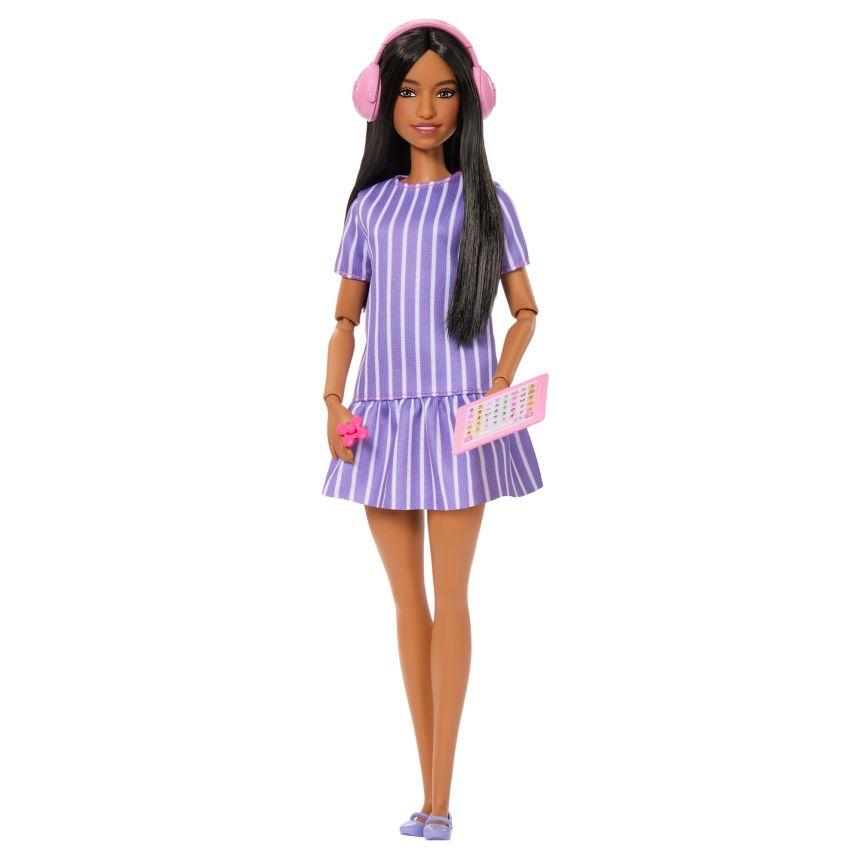
Barbie Breaks Ground with First Doll on the Autism Spectrum
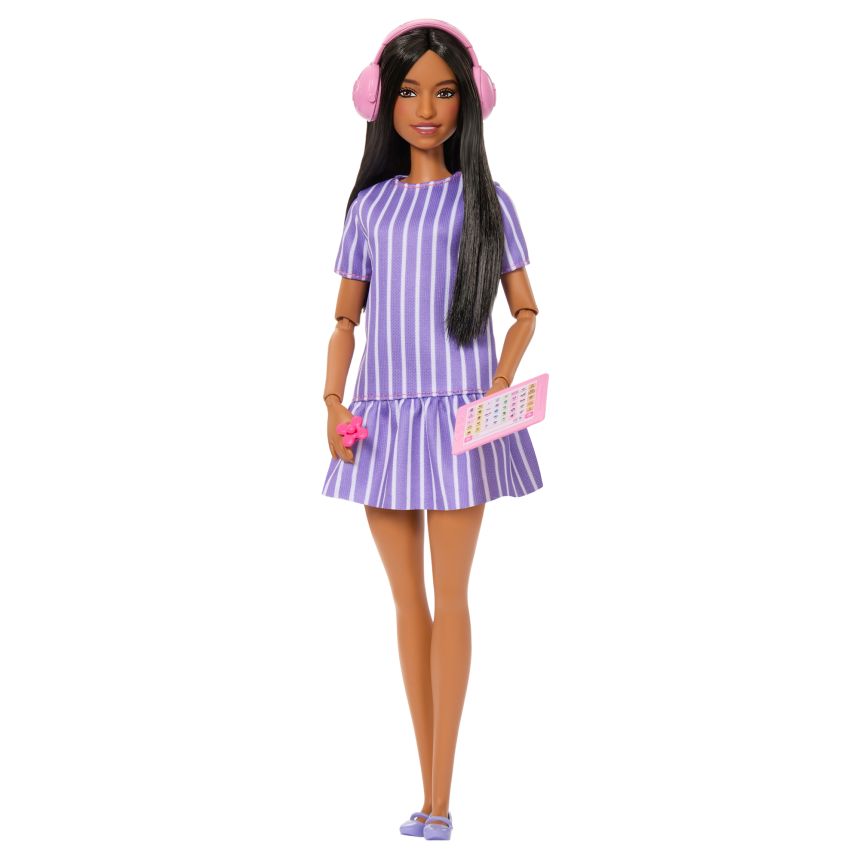
Barbie Launches First Autism-Inclusive Doll, Sparking Joy and Representation

Judge Marianne Sezon Launches Re-election Campaign for Third Term

Ohio Marina Conference Set for February 26 at Geneva Lodge

Lifeguards Rescue Unresponsive Man at Sherwood’s Beach, Hawaii

Rachel Campos-Duffy Exits FOX Noticias; Andrea Linares Steps In

Piper Rockelle Shatters Record with $2.3M First Day on OnlyFans

Meta’s 2026 AI Policy Sparks Outrage Over Privacy Concerns

Leon Goretzka Considers Barcelona Move as Transfer Window Approaches

Urgent Update: Denver Fire Forces Mass Evacuations, 100+ Firefighters Battling Blaze
-
Top Stories1 month ago
Rachel Campos-Duffy Exits FOX Noticias; Andrea Linares Steps In
-
Top Stories1 week ago
Piper Rockelle Shatters Record with $2.3M First Day on OnlyFans
-
Top Stories6 days ago
Meta’s 2026 AI Policy Sparks Outrage Over Privacy Concerns
-
Sports5 days ago
Leon Goretzka Considers Barcelona Move as Transfer Window Approaches
-
Top Stories1 week ago
Urgent Update: Denver Fire Forces Mass Evacuations, 100+ Firefighters Battling Blaze
-
 Top Stories1 week ago
OnlyFans Creator Lily Phillips Reconnects with Faith in Rebaptism
-
 Top Stories5 days ago
Warnock Joins Buddhist Monks on Urgent 2,300-Mile Peace Walk
-
 Entertainment6 days ago
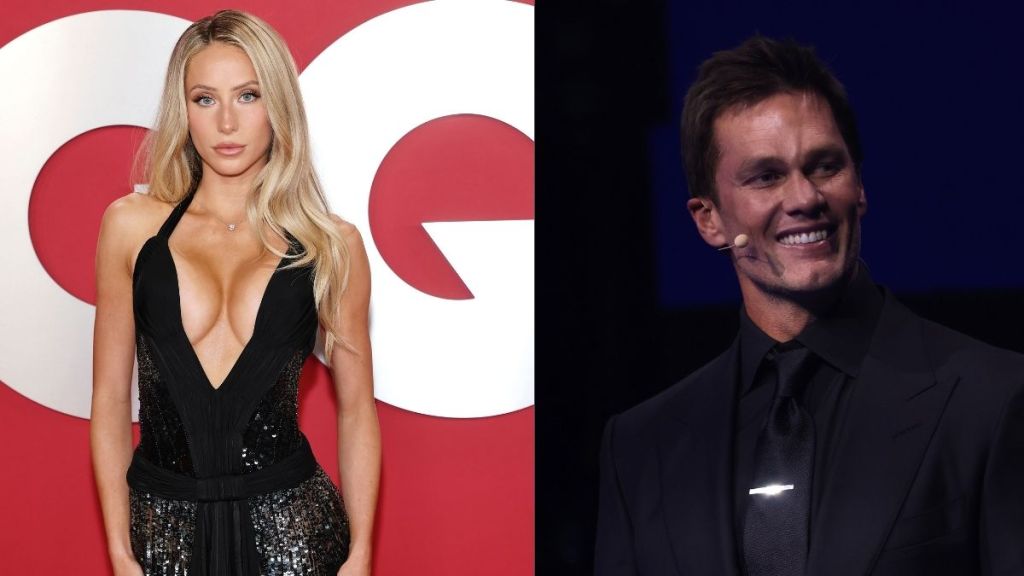
Tom Brady Signals Disinterest in Alix Earle Over Privacy Concerns
-
 Top Stories1 week ago
Oregon Pilot and Three Niece Die in Arizona Helicopter Crash
-
 Top Stories4 days ago
CBS Officially Renames Yellowstone Spin-off to Marshals
-
 Health2 months ago
Terry Bradshaw Updates Fans on Health After Absence from FOX NFL Sunday
-
 Sports4 days ago
South Carolina Faces Arkansas in Key Women’s Basketball Clash