
Business
Oil Executives Present Demands to Trump Amid Venezuelan Talks

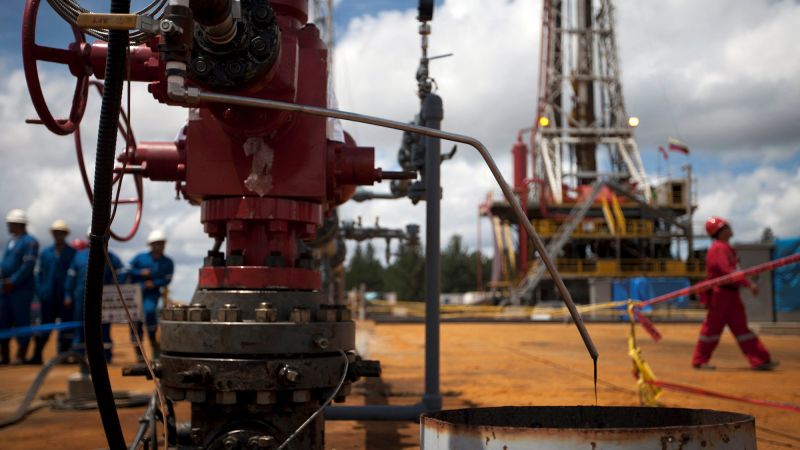
President Donald Trump is meeting with leaders from major oil companies as part of an initiative to encourage investment in Venezuela’s struggling oil sector. This meeting, taking place on March 15, 2024, comes at a time when the oil industry is hesitant to commit the substantial capital needed—estimated at over $10 billion annually—due to concerns about Venezuela’s political instability and infrastructure.
The executives participating in the White House discussions are reportedly wary of making firm investment commitments. They argue that the current situation in Venezuela is too uncertain for a major financial commitment. Those familiar with the preparations for the meeting suggest that Trump and his administration have not yet presented a convincing plan to rebuild the country’s energy infrastructure or to guarantee its stability.
During the meeting, executives are expected to express their reservations about investing in a country where the military has taken a significant role in the state-run oil company, Petróleos de Venezuela, SA (PDVSA), and where rampant theft has plagued operations. Oil executives have raised concerns about the potential risks, including a history of violence and local opposition to foreign investment in natural resources.
Mike Summers, CEO of the American Petroleum Institute, emphasized the need for establishing the rule of law in Venezuela before any substantial financial commitments can be made. He stated, “There are going to be parameters that have to be put in place before there’s a significant investment in Venezuela.” The oil executives are seeking assurances from the Trump administration regarding the safety of personnel and equipment in remote areas of the country.
In order to restore Venezuela’s oil production to levels seen before the socialist policies were enacted, industry experts estimate that the country would need to invest significantly in infrastructure. This includes laying pipelines, setting up drilling rigs, and establishing reliable electricity sources. According to these experts, the process could take over a decade to yield returns, raising concerns about long-term political changes in both countries.
Recent comments from Chris Wright, the U.S. Secretary of Energy, highlighted the administration’s acknowledgment of the challenges involved. In a discussion with CNN, Wright noted that major investment would require improvements in national security and a stable government in Venezuela.
Additionally, the oil industry is navigating a landscape complicated by U.S. sanctions and stringent Venezuelan laws governing foreign investment. Executives have indicated that any progress would depend on the lifting of these sanctions, which would allow for increased production and the necessary supplies to extract Venezuela’s heavier crude oil.
Previous experiences have left a lasting impact on foreign companies. Corporations like ExxonMobil, Eni, and Repsol had their assets seized by the Venezuelan government in 2007, leading to significant financial claims against PDVSA. Experts suggest that for any new investments to be viable, there would need to be clear assurances regarding the protection of investments and the potential for compensation.
The Trump administration has signaled a willingness to explore options such as government-backed financing and political risk insurance to attract foreign investment. However, the oil executives remain cautious, recognizing that the current fiscal regime in Venezuela is far from favorable.
Despite these challenges, there is a consensus among industry experts that Venezuela holds vast oil reserves that could attract significant interest if conditions improve. As Chris Wright noted, he has been “barraged” with inquiries from energy companies about opportunities in Venezuela.
While the administration aims to promote political stability, the timeline for achieving such stability remains uncertain. As oil executives prepare for their discussions, they are poised to highlight their potential to boost Venezuelan oil production significantly—if the necessary conditions and guarantees are established.

San Diego Museum of Art Unveils Ambitious West Wing Expansion Plan

Baggage Handler Trapped on Air Canada Flight Causes Major Delays
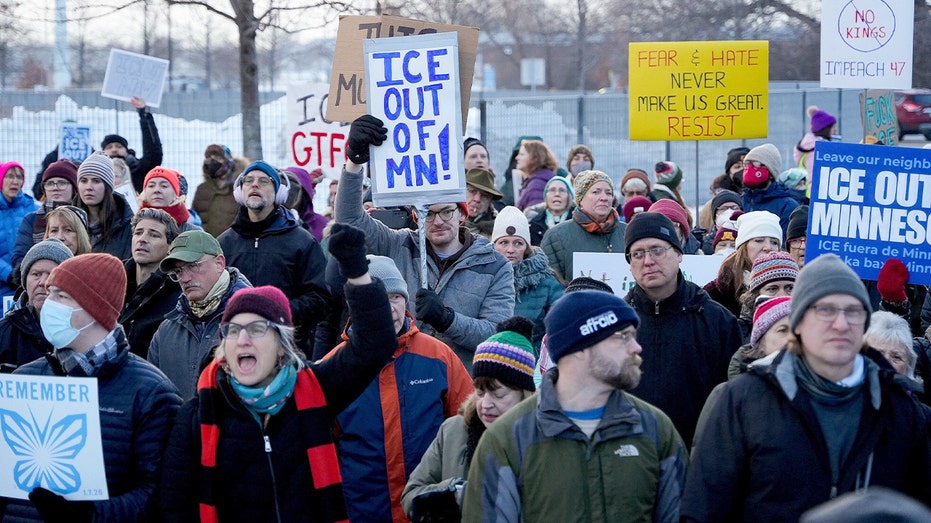
Crowds on Demand CEO Rejects Minneapolis Protests Over Safety Concerns

Nationwide Anti-ICE Protests Erupt Following Fatal Shootings
Oscar-Winning Thriller “Parasite” Leaves Netflix by January 31

Piper Rockelle Shatters Record with $2.3M First Day on OnlyFans

Meta’s 2026 AI Policy Sparks Outrage Over Privacy Concerns

Leon Goretzka Considers Barcelona Move as Transfer Window Approaches
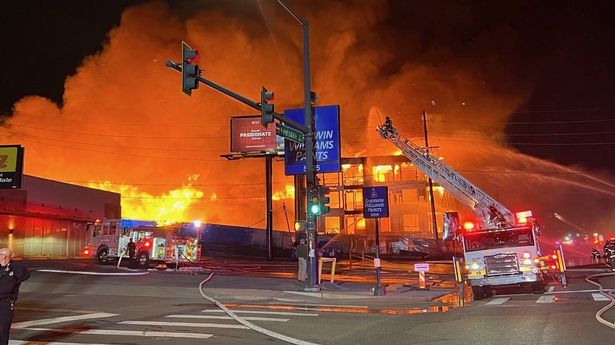
Urgent Update: Denver Fire Forces Mass Evacuations, 100+ Firefighters Battling Blaze

OnlyFans Creator Lily Phillips Reconnects with Faith in Rebaptism
-
Top Stories1 week ago
Piper Rockelle Shatters Record with $2.3M First Day on OnlyFans
-
Top Stories5 days ago
Meta’s 2026 AI Policy Sparks Outrage Over Privacy Concerns
-
Sports4 days ago
Leon Goretzka Considers Barcelona Move as Transfer Window Approaches
-
Top Stories1 week ago
Urgent Update: Denver Fire Forces Mass Evacuations, 100+ Firefighters Battling Blaze
-
Top Stories1 week ago
OnlyFans Creator Lily Phillips Reconnects with Faith in Rebaptism
-
 Top Stories1 month ago
Rachel Campos-Duffy Exits FOX Noticias; Andrea Linares Steps In
-
 Entertainment4 days ago
Tom Brady Signals Disinterest in Alix Earle Over Privacy Concerns
-
 Top Stories6 days ago
Oregon Pilot and Three Niece Die in Arizona Helicopter Crash
-
 Health2 months ago
Terry Bradshaw Updates Fans on Health After Absence from FOX NFL Sunday
-
 Top Stories3 days ago
CBS Officially Renames Yellowstone Spin-off to Marshals
-
 World1 week ago
Tragedy in Crans-Montana: Fire Claims Lives of Holiday Revelers
-
 Sports3 days ago
South Carolina Faces Arkansas in Key Women’s Basketball Clash