
Business
NV Energy Challenges Rooftop Solar Owners Over Infrastructure Costs

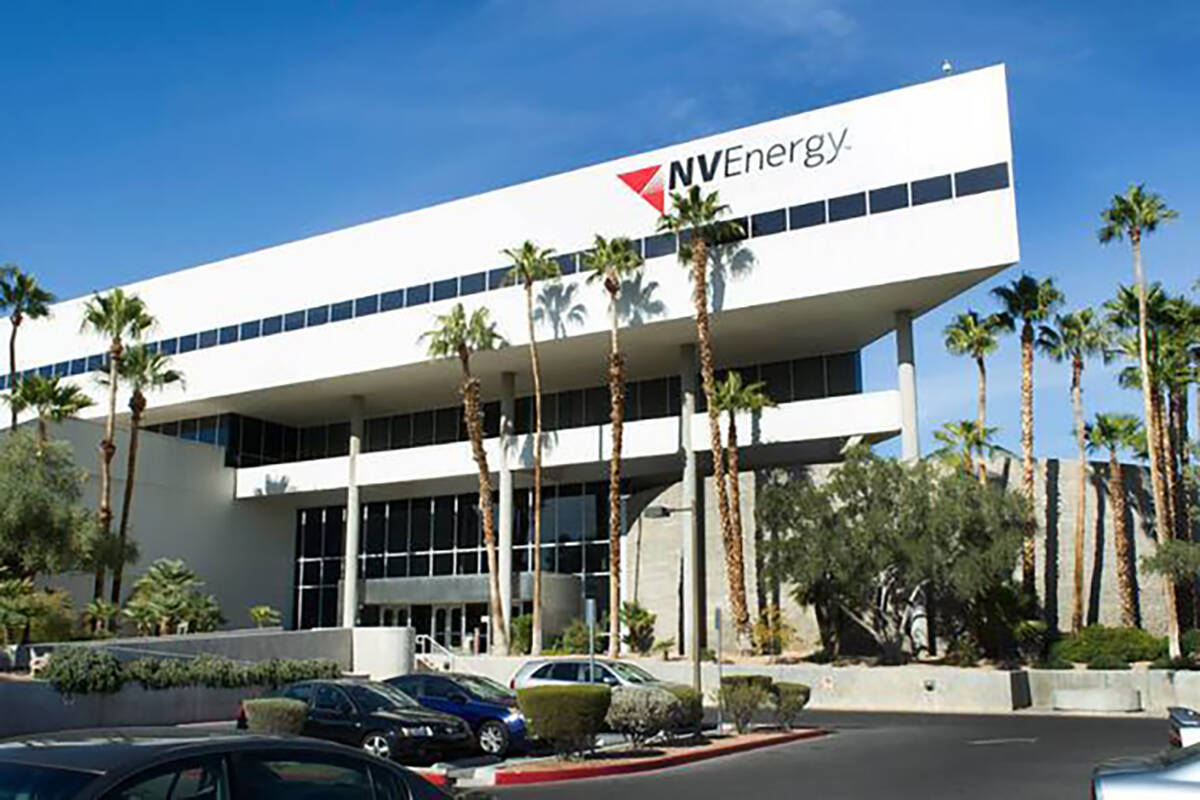
NV Energy has initiated a dispute with private rooftop solar owners, asserting that they do not adequately contribute to the infrastructure necessary for the company’s operations. This claim has raised concerns among solar system owners, who argue that they have already invested significantly in their systems and continue to generate profits for NV Energy’s shareholders.
The conflict centers around the financial implications of rooftop solar energy production. One homeowner, who has had a solar system installed for over 22 years, highlighted that their house’s infrastructure has been paid off for decades. This homeowner receives only 75 percent of the value of the power generated by their solar system, which they contend effectively subsidizes NV Energy’s operations.
Infrastructure Costs and Renewable Energy Goals
The homeowner also pointed out that their investment has contributed to the state’s renewable energy targets, specifically the requirement for NV Energy to achieve 50 percent renewable energy. They questioned why their solar output is not taken into account when measuring peak demand, a crucial factor for energy management and planning.
Concerns have also been raised regarding NV Energy’s plans to fund its $4.6 billion Greenlink West transmission line. Critics argue that retail customers should not bear the financial burden of this project, which is intended to enhance the company’s infrastructure. The U.S. Department of Energy recently allocated $4.6 billion in funds and $1.6 billion in loan guarantees for similar projects, such as the Greenbelt power line and the AEP transmission line, operated by Midwestern companies.
The question arises: why did NV Energy not pursue similar funding avenues? With Nevada customers financing the transmission line, stakeholders are left wondering why the company and its shareholders will retain ownership of this valuable asset.
This situation has sparked debate about the fairness of charging customers for infrastructure that primarily benefits a private company. As one homeowner articulated, the current plan resembles a shift towards socialism rather than a free-market approach.
As discussions continue, it remains essential for both NV Energy and rooftop solar owners to engage in transparent dialogue regarding infrastructure costs and the future of renewable energy in Nevada. The outcome of this dispute could set important precedents for solar energy policies and utility regulations across the United States.

Lifeguards Rescue Unresponsive Man at Sherwood’s Beach, Hawaii

Powell Faces Criminal Investigation as White House Intensifies Pressure

Priyanka Chopra and Nick Jonas Shine at 2026 Golden Globes

Alnylam Unveils Ambitious Five-Year Growth Strategy

Sport Psychologist Darby Bonomi Helps Clients Achieve Peak Performance

Rachel Campos-Duffy Exits FOX Noticias; Andrea Linares Steps In

Piper Rockelle Shatters Record with $2.3M First Day on OnlyFans

Meta’s 2026 AI Policy Sparks Outrage Over Privacy Concerns

Leon Goretzka Considers Barcelona Move as Transfer Window Approaches
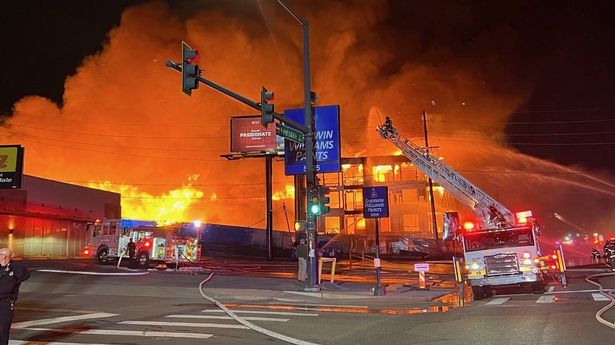
Urgent Update: Denver Fire Forces Mass Evacuations, 100+ Firefighters Battling Blaze
-
Top Stories1 month ago
Rachel Campos-Duffy Exits FOX Noticias; Andrea Linares Steps In
-
Top Stories1 week ago
Piper Rockelle Shatters Record with $2.3M First Day on OnlyFans
-
Top Stories6 days ago
Meta’s 2026 AI Policy Sparks Outrage Over Privacy Concerns
-
Sports5 days ago
Leon Goretzka Considers Barcelona Move as Transfer Window Approaches
-
Top Stories1 week ago
Urgent Update: Denver Fire Forces Mass Evacuations, 100+ Firefighters Battling Blaze
-
 Top Stories1 week ago
OnlyFans Creator Lily Phillips Reconnects with Faith in Rebaptism
-
 Top Stories5 days ago
Warnock Joins Buddhist Monks on Urgent 2,300-Mile Peace Walk
-
 Entertainment6 days ago
Tom Brady Signals Disinterest in Alix Earle Over Privacy Concerns
-
 Top Stories1 week ago
Oregon Pilot and Three Niece Die in Arizona Helicopter Crash
-
 Top Stories4 days ago
CBS Officially Renames Yellowstone Spin-off to Marshals
-
 Health2 months ago
Terry Bradshaw Updates Fans on Health After Absence from FOX NFL Sunday
-
 Sports4 days ago
South Carolina Faces Arkansas in Key Women’s Basketball Clash