
Business
Chicago Public Schools Sells Three Closed Schools, Faces Repurposing Challenges


The Chicago Public Schools (CPS) recently approved the sale of three closed school properties, including the John G. Shedd Elementary School. This marks a step forward in addressing the challenges posed by the district’s mass school closures in 2013, yet the path to effective redevelopment remains fraught with obstacles. Despite the sales, many of the 46 closed buildings continue to languish, with over two dozen still vacant and accruing substantial maintenance costs.
Ongoing Maintenance Costs and Future Plans
Since the closures, CPS has faced a financial burden of between $75,000 and $150,000 per property annually for upkeep. While the recent sales, including one for Shedd that will net the district just $125,000, are a positive sign, they are only a small part of a larger problem. Devereaux Peters, an affordable housing developer whose bid was accepted for the former Bontemps Elementary School, noted the extensive processes involved in redevelopment, including zoning and tax credits. “It’s definitely going to be a heavy lift,” he stated.
Along with Bontemps, the Henson Elementary School in North Lawndale will be demolished to make way for affordable housing, while the nonprofit Peace for Preston plans to transform Shedd into a community center. This initiative aims to provide vital services including mental health support and vocational training.
Historical Context and Community Impact
The background of these closures is steeped in controversy. In 2013, CPS closed 49 elementary schools and one high school program, predominantly affecting low-income Black families on the South and West sides of Chicago. The decision was made under the premise of addressing a budget deficit and reallocating resources more efficiently. However, it sparked outrage and distress among affected communities.
A report by an advisory committee initially projected that CPS could sell off the properties within three years. Yet, as of mid-2017, only ten sales had been completed, reflecting the difficulty in attracting buyers for many of the aging, deteriorating buildings. Ron Clewer, a market president specializing in adaptive reuse, remarked that the initial projections were likely overly optimistic.
Efforts to sell the properties have seen mixed results. While the former Peabody Elementary School was sold to a luxury developer for $3.5 million in 2014, many other schools remain unsold due to issues like asbestos and structural deterioration. Community-based nonprofits have often expressed interest, but the financial burden of renovation has proved too great.
Some properties have faced outright failure in the bidding process. For example, bids made by Pilgrim Baptist Church and MR Properties for former school buildings fell through after the bidders discovered extensive damage and high repair costs. “We just couldn’t make the numbers work,” said developer Philip Mappa regarding the Paderewski Elementary School.
Future Redevelopment Efforts
As of May 2023, CPS returned a total of 21 school buildings to the market, the first large-scale effort since 2017. Despite the ongoing maintenance challenges, these properties represent potential opportunities for community improvement. CPS aims to align the use of these properties with educational programming and local needs, while also generating revenue wherever possible.
Community leaders, including board member Jitu Brown, emphasize the importance of engaging local residents in the redevelopment process. “What we’re encouraging CPS to do is a needs assessment with the people in the neighborhood,” he said. This approach aims to address community concerns that arose from the original school closures.
Transforming these vacant schools into viable community spaces is not a quick process. Experts highlight that funding for such projects often requires navigating complex bureaucratic challenges. For instance, the recently opened Earle School Apartments in West Englewood relied on multiple funding streams, including the Illinois Affordable Housing Tax Credit and tax increment financing, each with its own lengthy approval requirements.
The transformation of the former Robert Emmet Elementary School into the Aspire Center for Workforce Innovation serves as a success story, taking nearly eight years to complete. The facility now offers community services and was developed with a budget of $40 million after being sold for $75,000 in 2018. “You just have to have the right people involved, who really want to champion it,” said Max Komnenich, the project lead.
As the community awaits the redevelopment of Shedd, local residents like Dionne Mhoon, who founded Peace for Preston in honor of her daughter, slain Chicago police officer Aréanah Preston, are hopeful. The new center aims to restore hope and provide essential services to the neighborhood, once marred by the school closures. “Hopefully someone will see this fixture in the community and know the work that she did,” Mhoon expressed.
Despite the challenges ahead, the sales of these properties signal a potential turning point for CPS and the communities affected by past decisions. The journey to transform these schools into assets for their neighborhoods will take time, resources, and, most importantly, a commitment to community engagement and support.
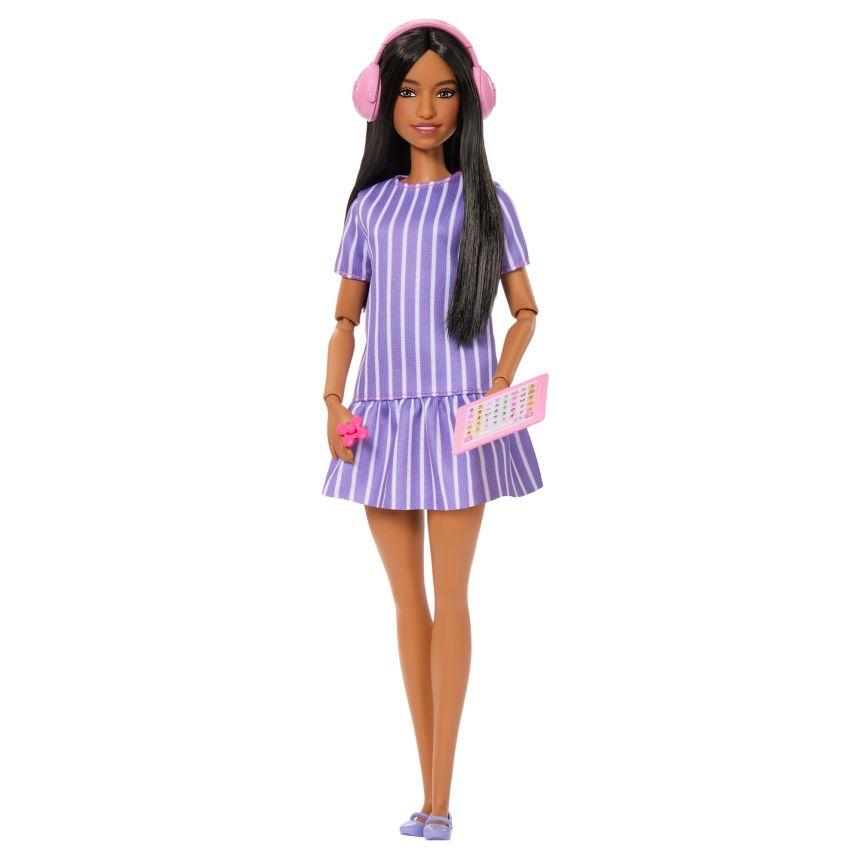
Barbie Breaks Ground with First Doll on the Autism Spectrum
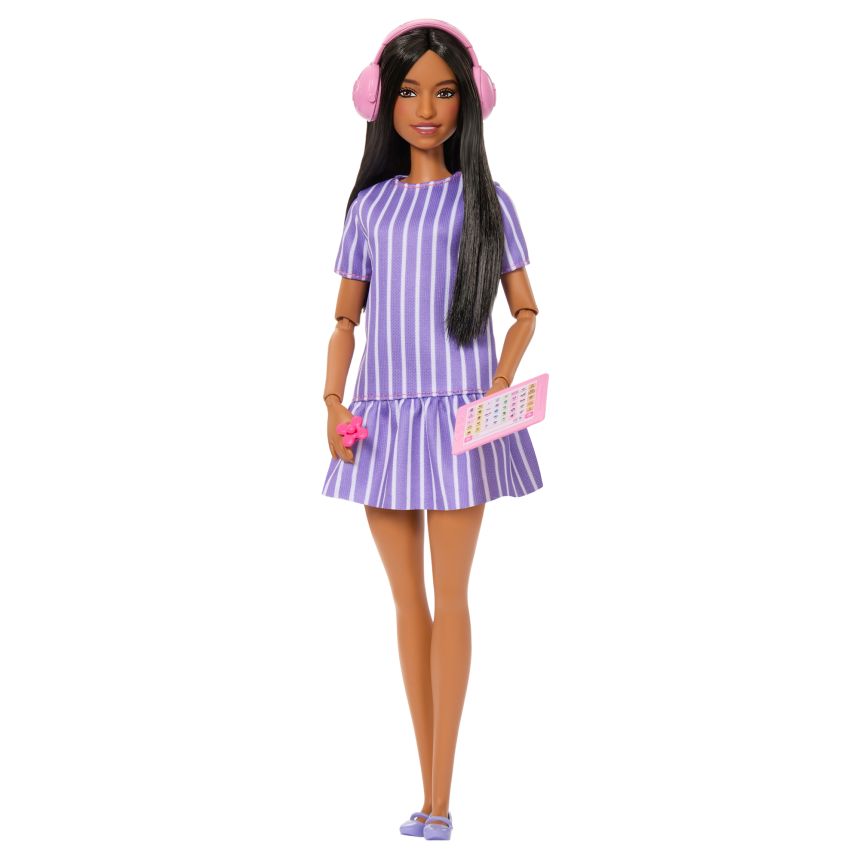
Barbie Launches First Autism-Inclusive Doll, Sparking Joy and Representation

Judge Marianne Sezon Launches Re-election Campaign for Third Term

Ohio Marina Conference Set for February 26 at Geneva Lodge

Lifeguards Rescue Unresponsive Man at Sherwood’s Beach, Hawaii

Rachel Campos-Duffy Exits FOX Noticias; Andrea Linares Steps In

Piper Rockelle Shatters Record with $2.3M First Day on OnlyFans

Meta’s 2026 AI Policy Sparks Outrage Over Privacy Concerns

Leon Goretzka Considers Barcelona Move as Transfer Window Approaches

Urgent Update: Denver Fire Forces Mass Evacuations, 100+ Firefighters Battling Blaze
-
Top Stories1 month ago
Rachel Campos-Duffy Exits FOX Noticias; Andrea Linares Steps In
-
Top Stories1 week ago
Piper Rockelle Shatters Record with $2.3M First Day on OnlyFans
-
Top Stories6 days ago
Meta’s 2026 AI Policy Sparks Outrage Over Privacy Concerns
-
Sports5 days ago
Leon Goretzka Considers Barcelona Move as Transfer Window Approaches
-
Top Stories1 week ago
Urgent Update: Denver Fire Forces Mass Evacuations, 100+ Firefighters Battling Blaze
-
 Top Stories1 week ago
OnlyFans Creator Lily Phillips Reconnects with Faith in Rebaptism
-
 Top Stories5 days ago
Warnock Joins Buddhist Monks on Urgent 2,300-Mile Peace Walk
-
 Entertainment6 days ago
Tom Brady Signals Disinterest in Alix Earle Over Privacy Concerns
-
 Top Stories1 week ago
Oregon Pilot and Three Niece Die in Arizona Helicopter Crash
-
 Health2 months ago
Terry Bradshaw Updates Fans on Health After Absence from FOX NFL Sunday
-
 Top Stories4 days ago
CBS Officially Renames Yellowstone Spin-off to Marshals
-
 Sports4 days ago
South Carolina Faces Arkansas in Key Women’s Basketball Clash