
Business
Chicago City Council Passes Revenue Plan, Excludes Head Tax

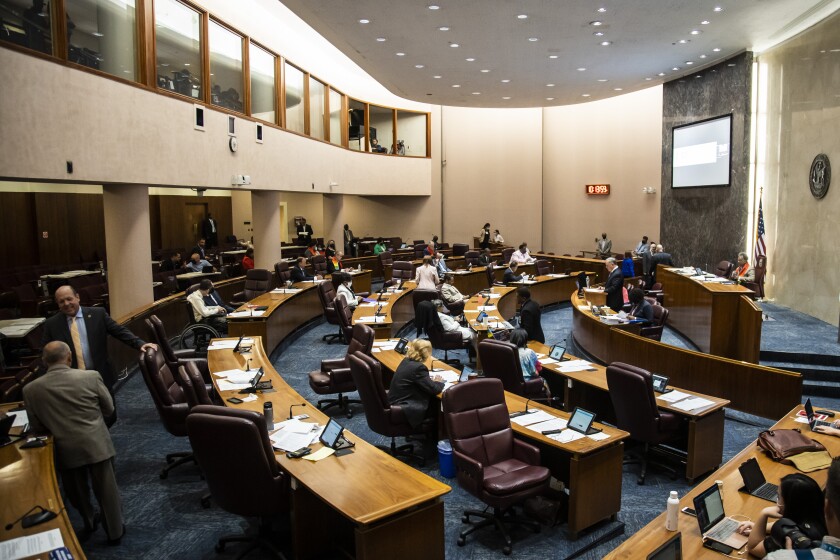
The Chicago City Council approved an alternative revenue plan on Friday, rejecting Mayor Brandon Johnson’s proposal for a corporate head tax. The final vote was 29 to 19, falling short of the five votes needed for a veto-proof majority. This decision sets the stage for further discussions as the council prepares to meet again on Saturday to finalize the city’s budget for 2026, which totals $16.6 billion.
Prior to the vote, allies of the mayor introduced a plan that aimed to reinstate the head tax, fully fund an advanced pension payment, and replace a $90 million debt collection initiative that Johnson has criticized as “immoral.” Their attempt to refer this plan to the Finance Committee was unsuccessful, as it was redirected to the Rules Committee instead.
The council’s upcoming session will focus on authorizing the Johnson administration to borrow $1.8 billion for capital improvement projects, cover retroactive pay raises for firefighters and paramedics, and refinance $1 billion in existing city debt at reduced interest rates. Following this meeting, Johnson will face a critical decision regarding the budget, which he believes is $165 million out of balance. He warned that without adjustments, the city could experience a mid-year budget shortfall requiring layoffs, service cuts, or tax increases.
Johnson expressed his concerns, stating, “If I find this budget to be irresponsible and unbalanced, then it leaves me with very few options.” The mayor has previously emphasized the importance of avoiding a potential shutdown of city government if the council fails to approve a budget by the December 30 deadline.
The alternative revenue package approved on Friday incorporates a 15% tax on cloud computing but notably omits the corporate head tax and does not increase garbage fees. It proposes a $9 million increase in property taxes for libraries and seeks to generate $8.7 million annually by increasing the plastic bag tax from 10 cents to 15 cents per bag. Additional revenue sources include $6.8 million from licensing newly legalized video gambling terminals and $6 million from taxing off-premise liquor sales.
The proposed liquor tax was reduced from 3% to 1.5% to mitigate opposition from the hospitality sector. An expanded Downtown congestion fee zone is anticipated to generate $26 million, despite opposition from some council members who opposed applying the city’s 10.25% amusement tax to rideshare services like Uber and Lyft.
The plan also anticipates that 80% of the 3,300 eligible establishments with off-premise liquor licenses will apply for video gambling. Furthermore, the package includes $29.3 million in revenue from advertising on public assets such as bridge houses and city vehicles.
The 15% tax on cloud computing is expected to be a significant revenue generator, projected to yield $416 million per year. Although this tax will primarily impact businesses, costs are likely to be passed on to consumers, including those using services like Netflix. Additionally, an advanced pension payment of $260 million will be fully restored, funded in part by identifying $46.6 million in budget efficiencies.
The council’s opposition group had initially aimed to eliminate Johnson’s proposal for a five-year, $166 million loan intended to cover retroactive pay for first responders. However, they found themselves lacking the funds to support that decision. Finance Chair Pat Dowell acknowledged the city’s precarious financial position, stating that the council emerged with a budget plan that protects vital programs while working towards a stronger fiscal future.
Dowell expressed gratitude towards her colleagues who dedicated extensive time to crafting a revenue ordinance that aims to balance economic growth with the needs of vulnerable citizens. Following the demonstration of support for the alternative plan, some council members believe they could secure additional votes if Johnson were to veto the budget.
In a recent Budget Committee hearing, Chief Financial Officer Jill Jaworski was asked which scenario would negatively affect Chicago’s bond rating more: an unbalanced budget or a government shutdown. Jaworski responded without hesitation that a shutdown would be worse. Johnson concurred, asserting, “I’m gonna use every tool that’s available to me to ensure that we don’t do that because it’s not just severe ramifications around elected leaders. We’re talking about the consequence that it could have on everyday people.”

Discover New Reads: Hardin County Librarians Share Top Picks

Trump Claims Iran Seeks Negotiations as Protests Death Toll Hits 544

Senate Advances Minimum Wage Hike and Allows Government Employees to Run for Office
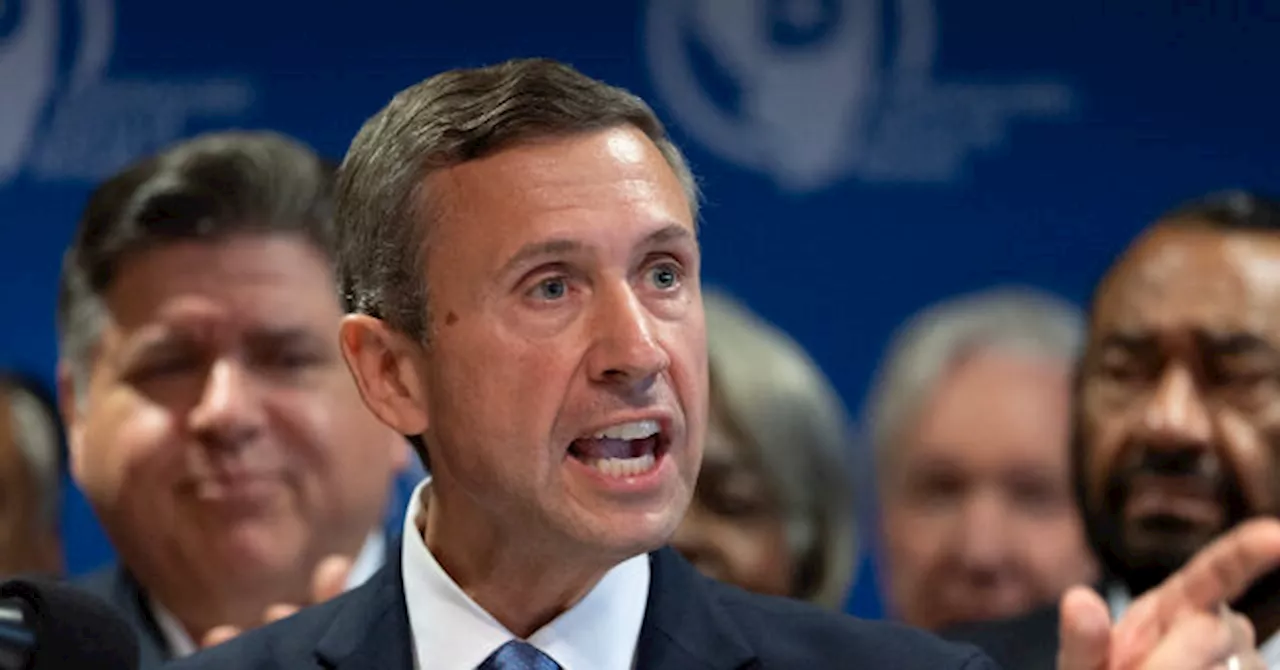
DNC Chair Ken Martin Accuses Trump of Election Fraud Lies

Barbie Breaks Ground with First Doll on the Autism Spectrum

Rachel Campos-Duffy Exits FOX Noticias; Andrea Linares Steps In

Piper Rockelle Shatters Record with $2.3M First Day on OnlyFans

Meta’s 2026 AI Policy Sparks Outrage Over Privacy Concerns

Leon Goretzka Considers Barcelona Move as Transfer Window Approaches

Urgent Update: Denver Fire Forces Mass Evacuations, 100+ Firefighters Battling Blaze
-
Top Stories1 month ago
Rachel Campos-Duffy Exits FOX Noticias; Andrea Linares Steps In
-
Top Stories1 week ago
Piper Rockelle Shatters Record with $2.3M First Day on OnlyFans
-
Top Stories6 days ago
Meta’s 2026 AI Policy Sparks Outrage Over Privacy Concerns
-
Sports5 days ago
Leon Goretzka Considers Barcelona Move as Transfer Window Approaches
-
Top Stories1 week ago
Urgent Update: Denver Fire Forces Mass Evacuations, 100+ Firefighters Battling Blaze
-
 Top Stories1 week ago
OnlyFans Creator Lily Phillips Reconnects with Faith in Rebaptism
-
 Top Stories6 days ago
Warnock Joins Buddhist Monks on Urgent 2,300-Mile Peace Walk
-
 Entertainment6 days ago
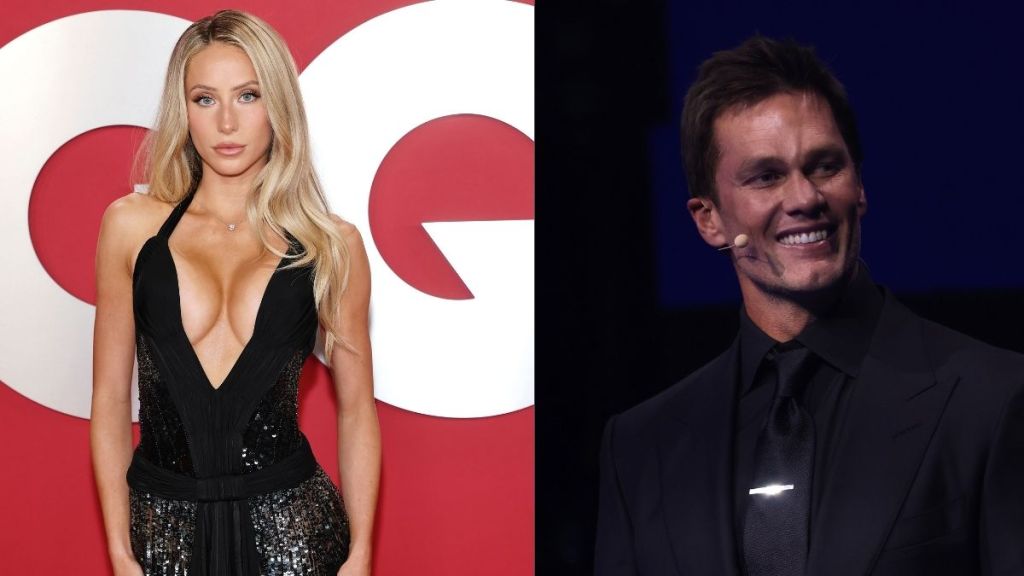
Tom Brady Signals Disinterest in Alix Earle Over Privacy Concerns
-
 Top Stories1 week ago
Oregon Pilot and Three Niece Die in Arizona Helicopter Crash
-
 Health2 months ago
Terry Bradshaw Updates Fans on Health After Absence from FOX NFL Sunday
-
 Top Stories4 days ago
CBS Officially Renames Yellowstone Spin-off to Marshals
-
 Sports4 days ago
South Carolina Faces Arkansas in Key Women’s Basketball Clash