
Politics
Trump Withdraws U.S. from Key Climate Collaborations Amid Crisis

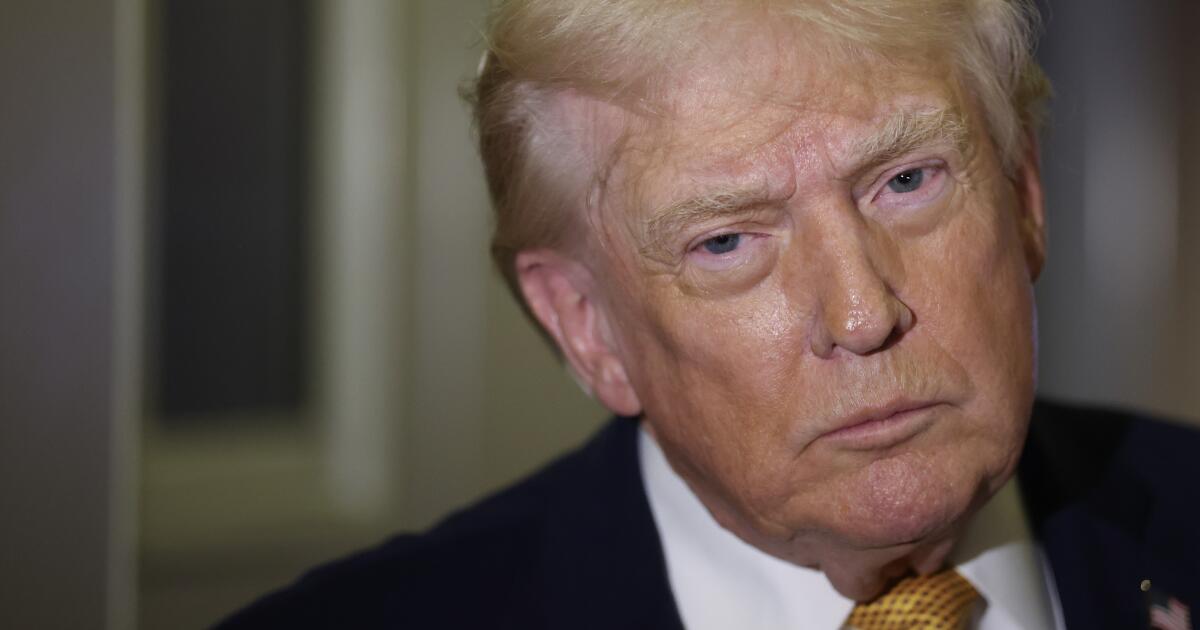
Recent actions by former President Donald Trump to withdraw the United States from several international climate and environmental organizations have raised concerns about the future of global cooperation on these pressing issues. Among the notable withdrawals is the Commission for Environmental Cooperation, which plays a vital role in managing shared environmental risks at a time when such collaboration is increasingly critical.
The announcement, made on January 7, 2023, details the U.S. exit from a total of 66 international organizations and treaties, including major climate groups. This decision signifies a significant retreat from collaborative environmental governance, emphasizing a shift in U.S. policy that could have lasting implications for international relations and climate action.
Impact of U.S. Withdrawal on Environmental Governance
The Commission for Environmental Cooperation has historically served as a practical forum for transparency and data sharing, addressing issues ranging from air emissions to water quality and cross-border pollution. Its function is not based on enforcing regulations but rather on preventing disputes from escalating into trade or diplomatic conflicts. Experts argue that the U.S. withdrawal weakens this critical safety valve, potentially leading to increased tensions among member nations.
As the United States steps away from cooperative frameworks, it continues to rely on enforceable environmental provisions embedded in trade agreements. This creates a troubling imbalance where cooperative institutions are abandoned while punitive measures remain in place. For neighboring countries such as Mexico and Canada, this asymmetry raises concerns that environmental issues—such as energy use, emissions, and cross-border waste management—will be addressed through sanctions rather than collaborative solutions.
Long-Term Consequences of Isolation
Historically, U.S. leadership in international environmental governance has been strongest when engaging from within established institutions. The current withdrawal from cooperative climate and environmental bodies may provide short-term flexibility for U.S. policymakers; however, it risks long-term isolation. Analysts warn that this position may leave the United States outside the rules that will govern trade, climate, and competitiveness in the decades to come.
Richard Kiy, president and CEO of the public policy nonprofit Institute of the Americas, articulated these concerns in a recent statement. He emphasized that the current U.S. approach could undermine efforts to address urgent climate challenges that require coordinated international responses. As climate impacts intensify globally, the need for shared governance becomes ever more critical.
The implications of this withdrawal extend beyond immediate diplomatic relations. The absence of U.S. participation in collaborative efforts could hinder progress on vital environmental initiatives, leaving both the United States and its neighbors at a disadvantage in facing the multifaceted challenges posed by climate change. As the global community navigates an increasingly complex environmental landscape, the significance of cooperative engagement cannot be overstated.

Priyanka Chopra and Nick Jonas Shine at 2026 Golden Globes

Alnylam Unveils Ambitious Five-Year Growth Strategy

Sport Psychologist Darby Bonomi Helps Clients Achieve Peak Performance

Federal Agents Conduct Major Immigration Raids Amid Protests

Security Guard Dies at 2026 Winter Olympics Construction Site

Rachel Campos-Duffy Exits FOX Noticias; Andrea Linares Steps In

Piper Rockelle Shatters Record with $2.3M First Day on OnlyFans

Meta’s 2026 AI Policy Sparks Outrage Over Privacy Concerns

Leon Goretzka Considers Barcelona Move as Transfer Window Approaches

Urgent Update: Denver Fire Forces Mass Evacuations, 100+ Firefighters Battling Blaze
-
Top Stories1 month ago
Rachel Campos-Duffy Exits FOX Noticias; Andrea Linares Steps In
-
Top Stories1 week ago
Piper Rockelle Shatters Record with $2.3M First Day on OnlyFans
-
Top Stories6 days ago
Meta’s 2026 AI Policy Sparks Outrage Over Privacy Concerns
-
Sports5 days ago
Leon Goretzka Considers Barcelona Move as Transfer Window Approaches
-
Top Stories1 week ago
Urgent Update: Denver Fire Forces Mass Evacuations, 100+ Firefighters Battling Blaze
-
 Top Stories1 week ago
OnlyFans Creator Lily Phillips Reconnects with Faith in Rebaptism
-
 Top Stories5 days ago
Warnock Joins Buddhist Monks on Urgent 2,300-Mile Peace Walk
-
 Entertainment5 days ago
Tom Brady Signals Disinterest in Alix Earle Over Privacy Concerns
-
 Top Stories7 days ago
Oregon Pilot and Three Niece Die in Arizona Helicopter Crash
-
 Top Stories4 days ago
CBS Officially Renames Yellowstone Spin-off to Marshals
-
 Health2 months ago
Terry Bradshaw Updates Fans on Health After Absence from FOX NFL Sunday
-
 Sports4 days ago
South Carolina Faces Arkansas in Key Women’s Basketball Clash