


Britain Proposes Bench Trials, Raising Concerns Over Dissent
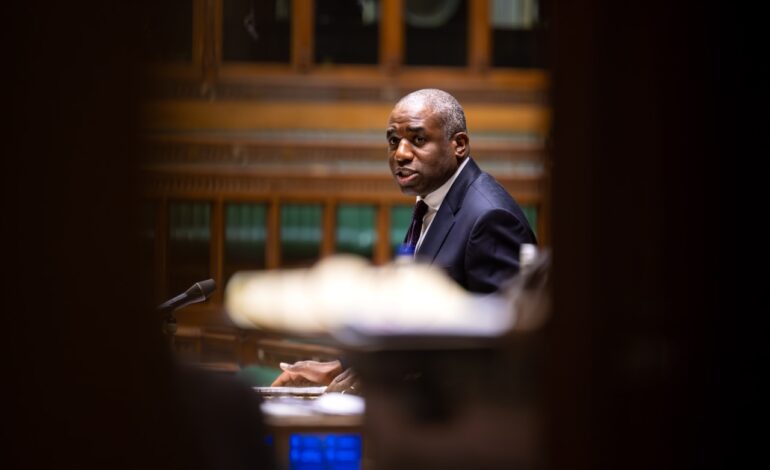

The British government has introduced a proposal to increase the use of bench trials, which would allow judges to decide cases without juries. This shift, announced by Justice Secretary Alex Chalk, aims to streamline the justice system but raises significant concerns regarding the potential suppression of dissent and public scrutiny.
Advocates for the change argue that bench trials could reduce delays in court proceedings and improve efficiency. However, critics warn that removing juries, which serve as a safeguard against governmental overreach, could lead to a decline in fair trials. The proposal comes as part of a broader discussion on reforms within the Criminal Justice Act and is expected to be debated in Parliament in March 2024.
Impact on Civil Liberties
The reliance on juries has been a foundational element of the British legal system for centuries. Juries not only provide a check on the power of judges but also reflect community standards and values. The proposed shift to bench trials could undermine these principles, as judges may not be as attuned to public sentiment as a jury of peers.
Many legal experts have voiced their concerns. Professor John Smith, a legal scholar at the University of London, stated, “Juries represent the voice of the community. Without them, we risk eroding public trust in the legal system.” This sentiment echoes among various civil rights organizations, including Liberty, which argue that the proposal could lead to greater government censorship and reduced accountability.
Historical Context and Future Implications
The move to sideline juries is not a new phenomenon. Similar proposals have surfaced in various forms over the years, often in response to high-profile cases that exposed weaknesses in the legal system. The current discussions reflect ongoing tensions between the need for efficient justice and the preservation of fundamental rights.
As the government prepares to move forward, the implications of this proposal could be far-reaching. Critics fear that bench trials may become the norm, potentially leading to a system where dissent is less tolerated and civil liberties are compromised. The debate surrounding this proposal will likely intensify as stakeholders from different sectors make their voices heard.
The outcome of these discussions is crucial for the future of justice in Britain. As the government seeks to balance efficiency with fairness, the public will be watching closely to see how this proposal unfolds and what it means for the integrity of the judicial system.