

Urgent Rise of “Solo-Agers” Raises Alarm as Costs Surge
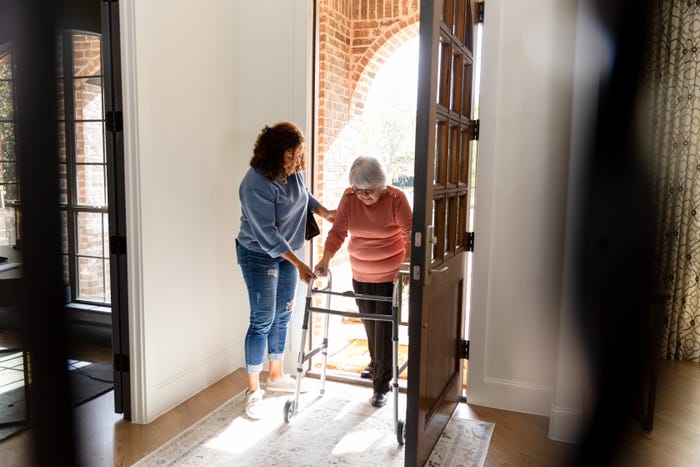

UPDATE: A dramatic surge in the number of “solo-agers” — older adults living alone without family support — is raising urgent concerns across the United States. New data reveals that approximately 28% of individuals aged 65 and older, equating to 22.1 million people, live independently and often face financial and health struggles.
The pressure is mounting on these vulnerable individuals as rising living costs threaten their stability. Just moments ago, advocates warned that the “explosive growth” of solo-agers like Valerie Miller, a 68-year-old from San Bernardino, California, highlights a critical need for accessible housing and support services. Miller, who lives alone and works remotely, expressed her fears about being priced out of her mobile home park, stating, “It feels like I’m flying without a net. There’s no one to catch me.”
As the trend of smaller, geographically dispersed families continues, experts like Vickie Bajtelsmit from Colorado State University emphasize that many older adults are left isolated. This shift has significant implications: the financial burden is heavier on those who live alone, with nearly 20% of these individuals living in poverty compared to just 6% of their peers who reside with others.
The emotional and physical toll on solo-agers is severe. A recent AARP survey revealed that over half of individuals aged 50 and older lack confidence in their ability to live alone as they age. Miller, who grapples with arthritis and vertigo, exemplifies this struggle, declaring, “It’s getting to the point where I can’t do my gardening.”
In addition to health challenges, rising housing costs exacerbate the situation. While older Americans control a significant portion of the nation’s wealth, many face skyrocketing expenses for healthcare and long-term care, which remain out of reach for most. Bob Kramer, founder of the National Investment Center for Seniors Housing and Care, pointed out that the current housing market is ill-equipped to accommodate the growing demands of solo-agers.
The lack of accessible housing options is stark, with only 10% of homes featuring essential accessibility features like step-free entries and ground-floor bedrooms. As Kramer notes, developers often avoid creating homes that cater to older adults, leaving many without suitable living arrangements.
In stark contrast, some individuals like Barbara White, a 72-year-old who successfully downsized to a retirement community, represent a fortunate few who have managed to adapt. White sold her four-bedroom house for double its original price, allowing her to purchase a more accessible home in a 55+ community.
Authorities are calling for proactive measures to support solo-agers. Bajtelsmit urges those in this demographic to start planning early, recommending they consider downsizing and seek professional assistance with their financial and healthcare needs. “What are things that a family member would normally do for you as you get old?” she advises.
As the crisis deepens, it is clear that immediate action is needed to address the unique challenges faced by solo-agers. With the population of older adults living alone expected to grow, the urgency for comprehensive solutions has never been greater. The time to act is now.