
Understanding Global Disparities: A Call for Awareness

A recent commentary by Haitian poet Muriel Vieux sheds light on the stark disparities faced by individuals living in developing nations compared to those in wealthier countries. Vieux’s reflections, published on December 18, 2025, challenge readers to consider the privileges and conveniences often taken for granted in affluent societies.
In her piece, Vieux emphasizes that many individuals in wealthy countries, particularly in the United States, live in a bubble of comfort, unaware of the struggles faced by people in less fortunate regions. She highlights the absence of fundamental social safety nets in places like Haiti, where the lack of unemployment benefits, retirement plans, and healthcare programs such as Medicare and Medicaid can lead to dire situations. For instance, families may resort to placing their children in orphanages simply because they cannot afford to raise them.
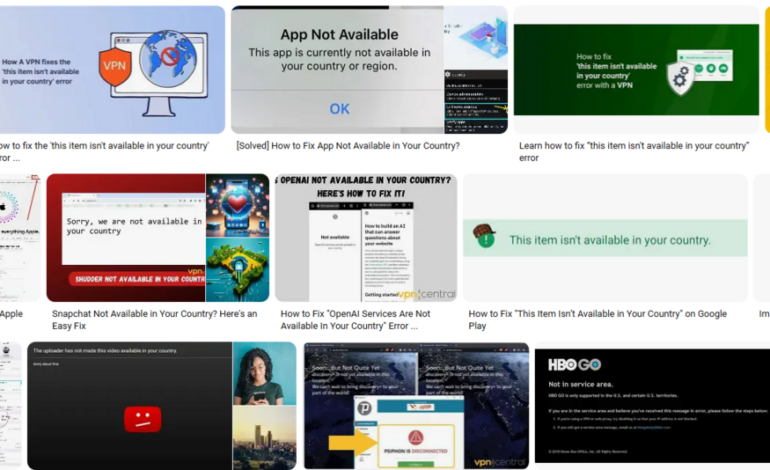
Vieux also delves into the conveniences of modern life that are often unavailable in her country. “Online banking, e-wallets, streaming services, and online stores are luxuries,” she writes, contrasting them with the reality in Haiti. She points out that popular platforms like PayPal and various cash transfer apps are not accessible, making everyday transactions more challenging. Moreover, she expresses frustration with the limitations on entertainment options, noting that many games and shows familiar to those in affluent nations are simply out of reach.
The poet’s commentary extends to the impact of international politics on local communities. For example, she references a fuel blockade from Venezuela that has life-or-death consequences for people relying on imported resources. This situation starkly contrasts with the indifference often shown by those in wealthier nations, where such political maneuvers may be seen merely as strategic moves rather than actions with real-world repercussions.
Vieux’s message culminates in a plea for greater awareness and empathy. She challenges the moral judgments often directed at those who rely on global platforms like Amazon for basic needs, urging readers to recognize the complexities of economic survival in different contexts. “Do not pretend it’s some kind of moral failure on my part to not participate in your boycotts,” she asserts, emphasizing that many individuals in developing nations are simply trying to navigate their circumstances as best they can.
The reflections of Muriel Vieux serve as a powerful reminder of the necessity for global solidarity and understanding. As the world becomes increasingly interconnected, recognizing these disparities can foster a more compassionate and equitable global community. By engaging with the realities faced by those in different socioeconomic conditions, individuals can contribute to meaningful change and support efforts aimed at improving lives on a broader scale.