
Top Stories
Trump Administration’s Actions Raise Alarms Over Free Speech
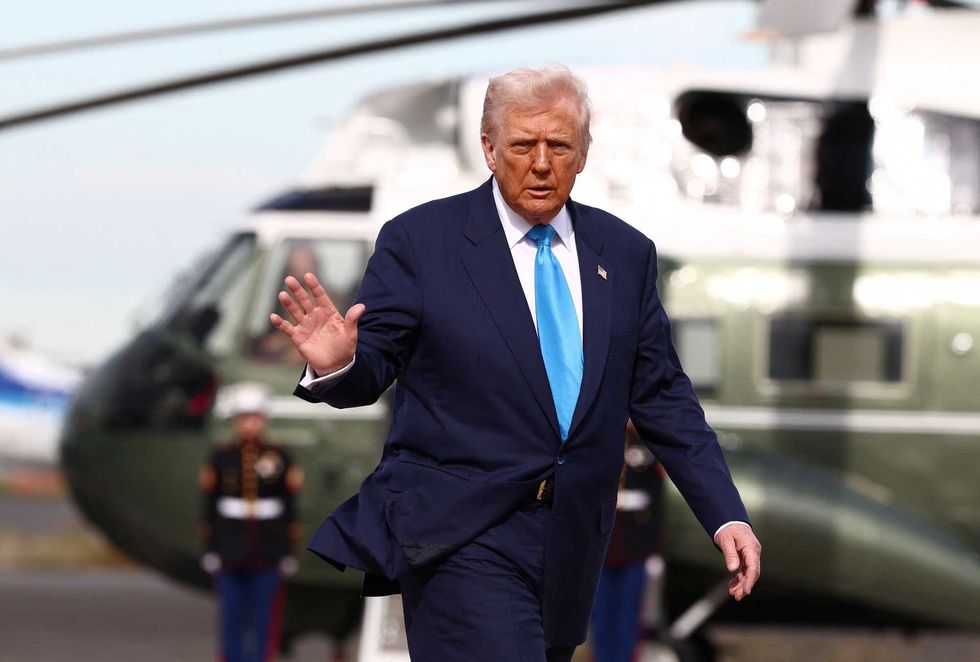
The FBI’s search of a reporter’s home on January 14, 2026, has intensified concerns over government actions that may threaten free speech and independent journalism in the United States. The search involved the residence of Hannah Natanson, a Washington Post reporter, and was described by her colleague Perry Stein as “highly unusual and aggressive.” Legal experts, including Jameel Jaffer, director of the Knight First Amendment Institute at Columbia University, called the incident “intensely concerning,” warning it could have a chilling effect on journalistic activities.
Free speech and independent media are essential components of a thriving democracy, enabling citizens to hold their governments accountable. However, the Trump administration’s recent actions have drawn parallels to tactics employed by authoritarian regimes, which often suppress dissent to maintain control. The situation raises significant questions about the future of press freedoms in the United States.
Consequences of Public Ignorance
Public ignorance about government actions is a common issue in all political systems. In democracies, citizens may find it challenging to engage with political processes due to the complexity of laws and the time required to stay informed. Economist Anthony Downs referred to this phenomenon as “rational ignorance,” where voters often lack the information necessary to hold politicians accountable.
Independent media serve as a counterbalance to this cycle of ignorance. They expose corruption and provide critical analysis of government actions, thereby empowering citizens. Without a robust independent press, the risks of corruption and abuse of power increase significantly, as seen in many autocratic regimes worldwide.
Historical Context of Autocratic Controls
Autocrats have historically targeted independent media to solidify their power. In Russia, for instance, the government has systematically dismantled independent journalism, creating an environment where public ignorance thrives. Following the invasion of Ukraine, state-controlled media shifted blame for military failures to senior officials, effectively shielding President Vladimir Putin from accountability.
In the United States, while the political landscape is markedly different, the Trump administration’s tactics echo these authoritarian strategies. Lawsuits aimed at intimidating journalists, such as the $15 billion claim against the New York Times and the $10 billion claim against the Wall Street Journal, have emerged as tools to deter critical reporting. Although these lawsuits have been dismissed in court, the chilling effect on journalistic investigation remains.
The administration has also utilized bureaucratic pressure as a means of suppressing dissent. For instance, following a threat from the Trump-aligned chairman of the Federal Communications Commission, comedian Jimmy Kimmel faced suspension, highlighting the lengths to which the administration may go to silence critical voices. While Kimmel was reinstated, the incident illustrates a concerning trend towards using governmental authority to influence media narratives.
Threats to Free Speech and Dissent
The invocation of “national security” to justify restrictions on free speech is a common tactic among authoritarian leaders. In Russia, laws targeting “foreign agents” have been used to silence dissenting organizations, while vague designations of “terrorism” have been wielded against protesters. These measures create an environment where the public is less informed and less able to challenge government actions.
In the U.S., following the murder of activist Charlie Kirk, the Trump administration has threatened to curtail free speech under the guise of combating “violence-inciting radical left” ideologies. This includes designating groups like antifa as domestic terrorists, broadening the scope for prosecution based on beliefs rather than actions. Such a shift raises alarms about the potential for widespread suppression of dissent and free expression.
As the United States navigates its own political dynamics, the implications of these actions are profound. The erosion of press freedoms and the suppression of dissenting voices could lead to a more uniform and less informed public discourse, ultimately undermining the democratic principles that allow for accountability and transparency.
In conclusion, the recent developments surrounding the Trump administration’s approach to press freedoms warrant careful scrutiny. The actions taken against journalists and the rhetoric employed to justify restrictions on free speech present a troubling trajectory that echoes the patterns observed in more authoritarian regimes globally. As the landscape continues to evolve, the role of independent media and free expression remains crucial in safeguarding democratic values.
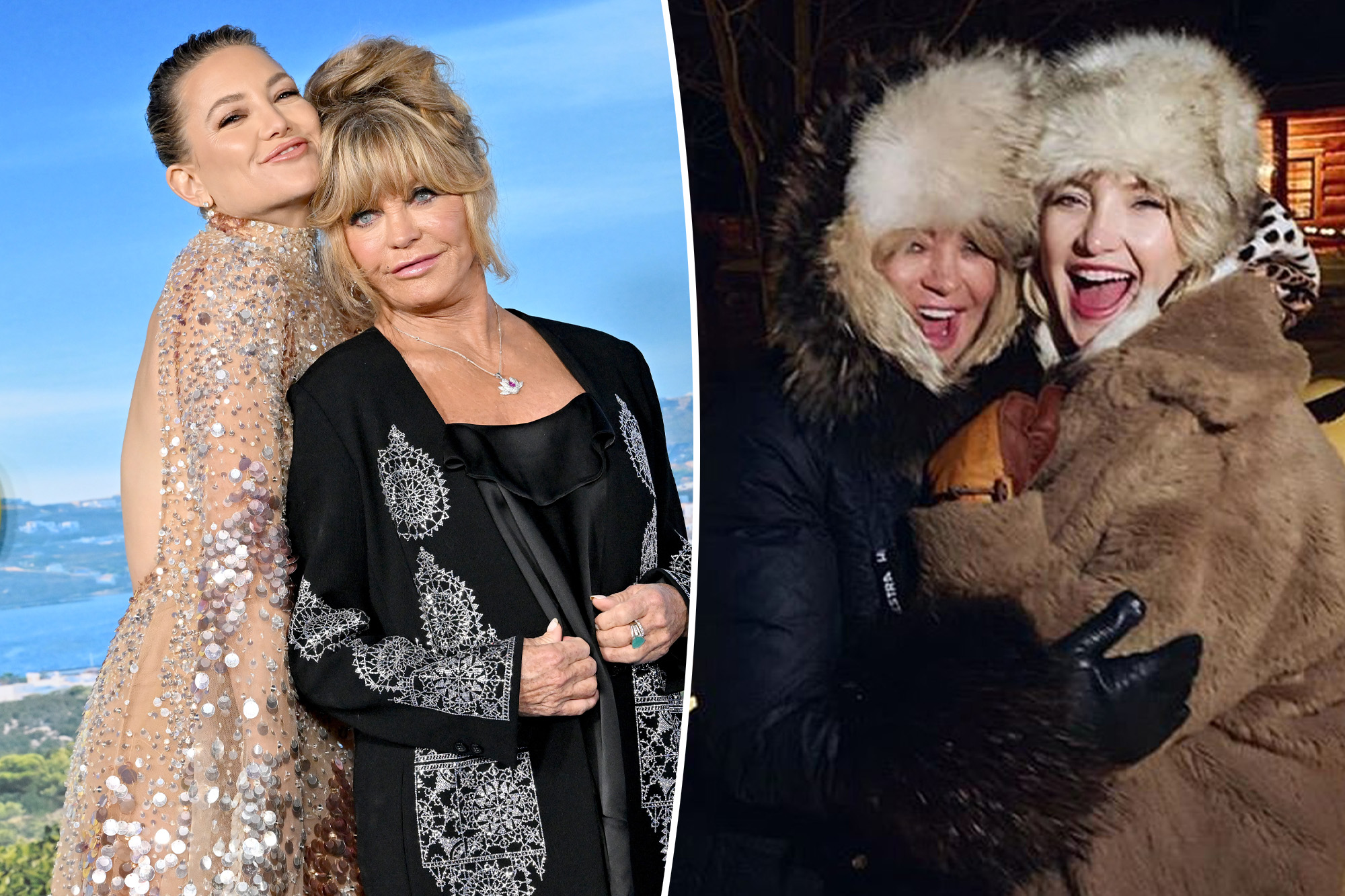
Goldie Hawn Celebrates Daughter Kate Hudson’s Star Power

Study Reveals Two Harmful Gene Variants Can Restore Function

Dietitians Warn Against Mixing Vitamins with Morning Coffee

Vehicle Crashes into JLC Logistics Building in Rogers, 3 Injured
Trump Administration’s Actions Raise Alarms Over Free Speech
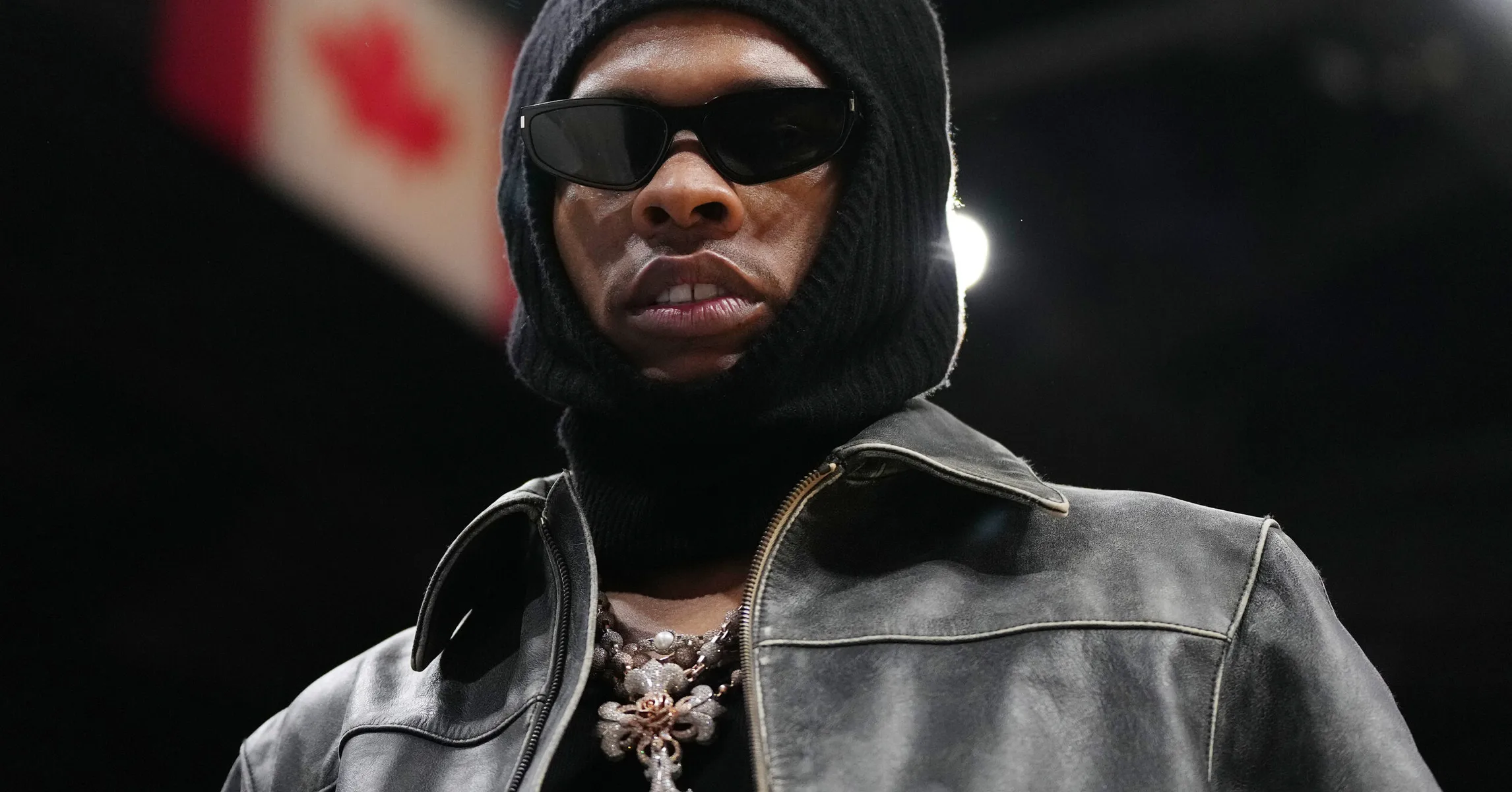
Jayda Cheaves Claims Lil Baby and Ari Fletcher Had an Affair
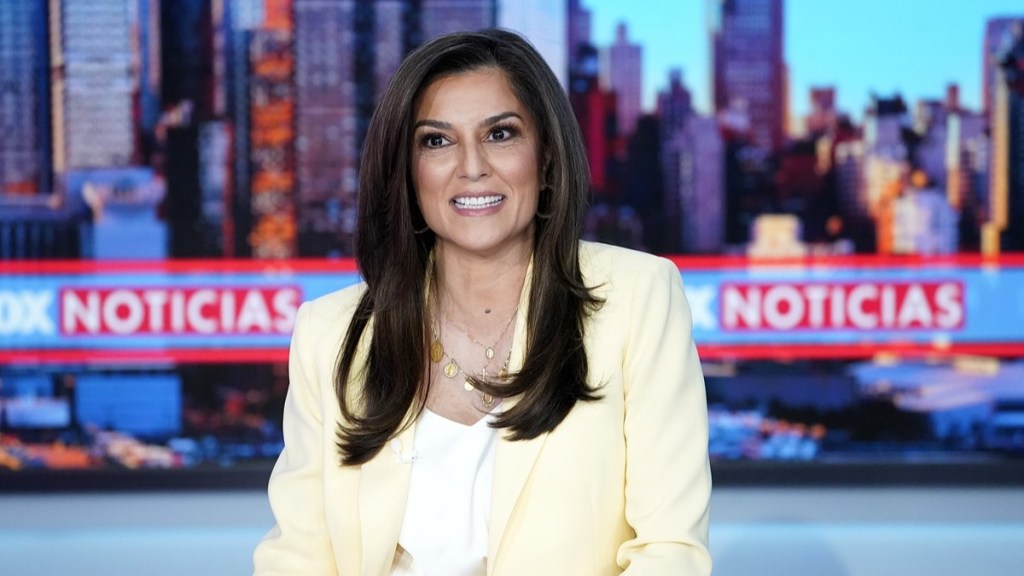
Rachel Campos-Duffy Exits FOX Noticias; Andrea Linares Steps In

Piper Rockelle Shatters Record with $2.3M First Day on OnlyFans

Meta’s 2026 AI Policy Sparks Outrage Over Privacy Concerns

Leon Goretzka Considers Barcelona Move as Transfer Window Approaches
-
Entertainment1 day ago
Jayda Cheaves Claims Lil Baby and Ari Fletcher Had an Affair
-
Top Stories1 month ago
Rachel Campos-Duffy Exits FOX Noticias; Andrea Linares Steps In
-
Top Stories2 weeks ago
Piper Rockelle Shatters Record with $2.3M First Day on OnlyFans
-
Top Stories2 weeks ago
Meta’s 2026 AI Policy Sparks Outrage Over Privacy Concerns
-
Sports2 weeks ago
Leon Goretzka Considers Barcelona Move as Transfer Window Approaches
-
 Top Stories2 weeks ago
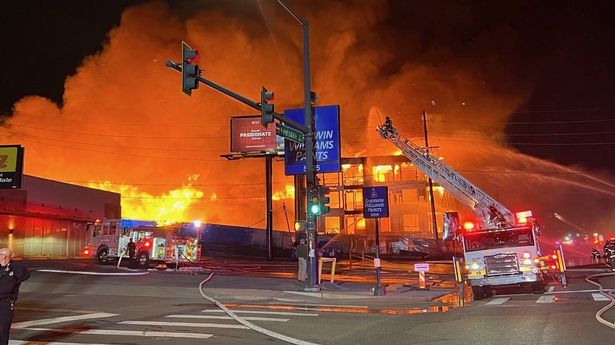
Urgent Update: Denver Fire Forces Mass Evacuations, 100+ Firefighters Battling Blaze
-
 Health2 months ago
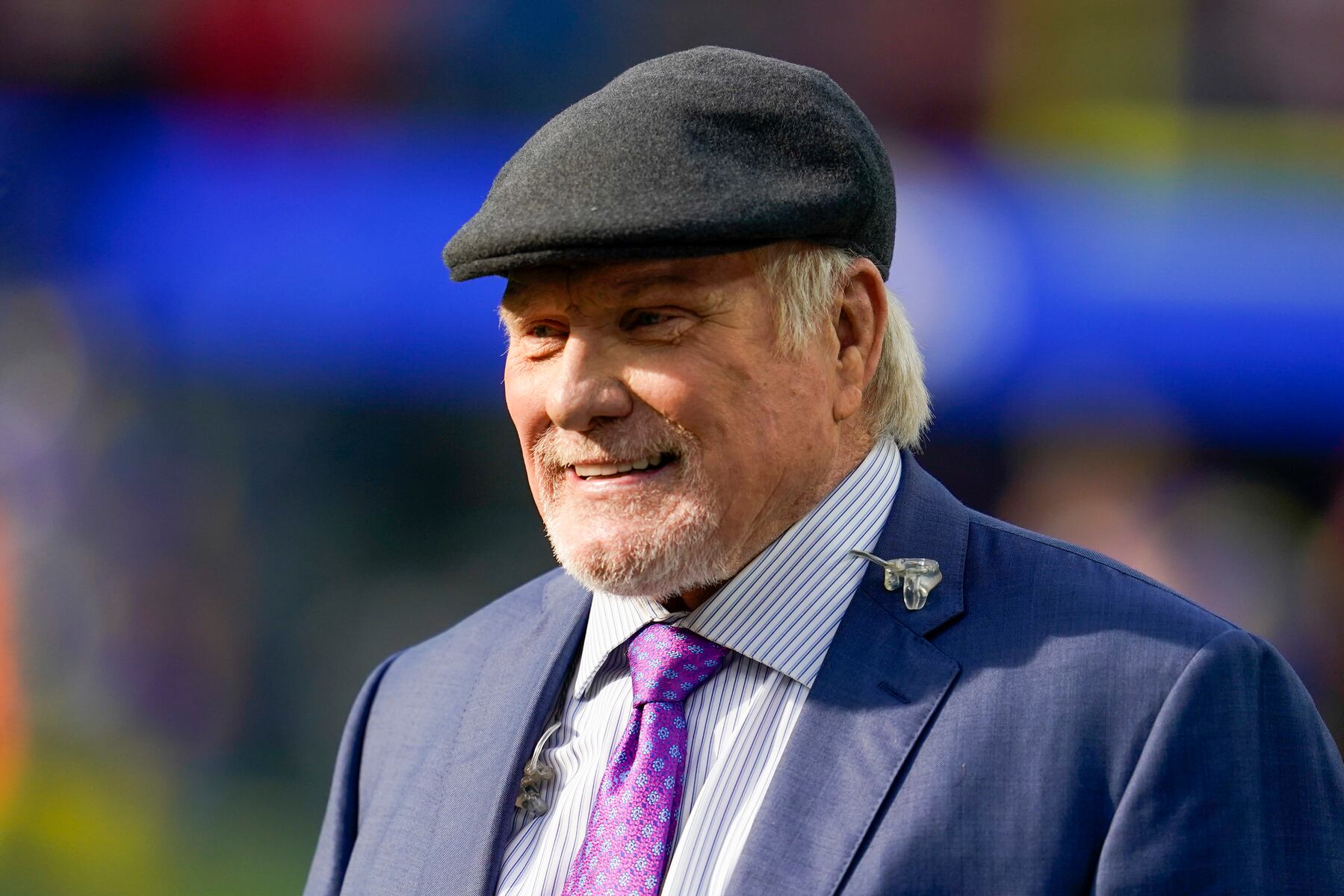
Terry Bradshaw Updates Fans on Health After Absence from FOX NFL Sunday
-
 Top Stories2 weeks ago
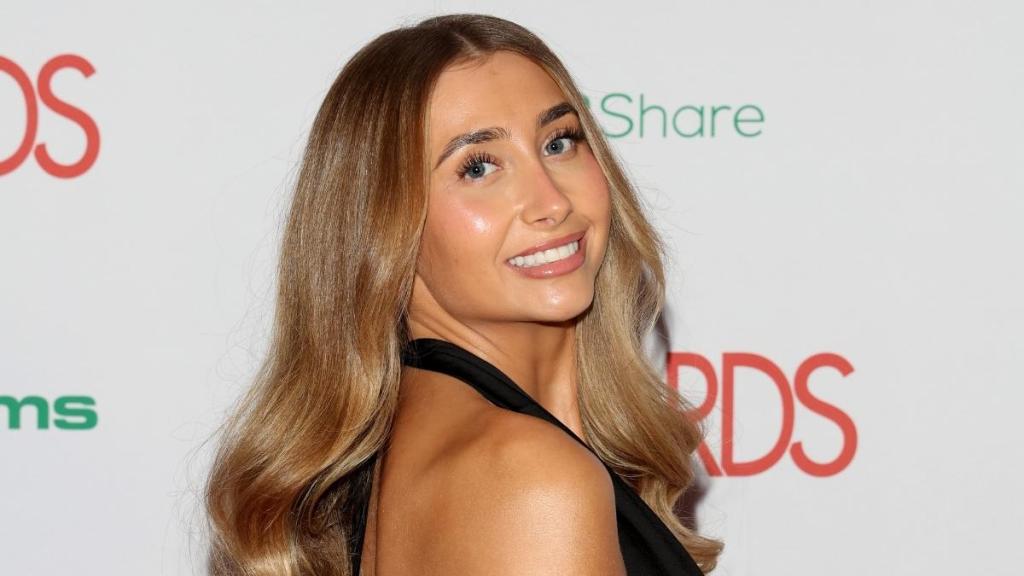
OnlyFans Creator Lily Phillips Reconnects with Faith in Rebaptism
-
 Sports2 weeks ago
South Carolina Faces Arkansas in Key Women’s Basketball Clash
-
 Top Stories2 weeks ago
CBS Officially Renames Yellowstone Spin-off to Marshals
-
 Top Stories2 weeks ago
Oregon Pilot and Three Niece Die in Arizona Helicopter Crash
-
 Entertainment2 weeks ago
Tom Brady Signals Disinterest in Alix Earle Over Privacy Concerns