
Politics
Supreme Court Weighs Transgender Athlete Participation Rules


The United States Supreme Court engaged in extensive discussions on March 5, 2024, regarding the legality of state bans on transgender women participating in women’s sports. The justices examined cases from Idaho and West Virginia, with an apparent inclination to uphold these bans, which affect around 25 predominantly Republican-controlled states. This session revealed underlying concerns about the implications for transgender rights as states like California consider allowing transgender women to compete in female sports.
During the proceedings, Justice Brett Kavanaugh expressed apprehensions about the competitive fairness of transgender women in sports. He described the situation as a “zero-sum game,” where the inclusion of a transgender girl could displace a cisgender girl from opportunities in athletics. Kavanaugh, who has coaching experience in girls’ sports, has previously raised safety and fairness issues in related cases.
Other justices reflected on the broader implications of their interpretation of Title IX, which prohibits sex discrimination in federally funded educational programs. Conservative justices seemed keen to limit the case’s repercussions, while their liberal counterparts sought avenues for individual lawsuits from transgender women, emphasizing that factors like suppressed testosterone levels might negate any competitive advantage.
The three-and-a-half hours of arguments highlighted a complex and contentious issue that affects only about 1% of the U.S. population but has become a significant topic in political discourse. The administration of former President Donald Trump has taken a firm stance against transgender rights, including banning transgender individuals from military service and enforcing policies that require U.S. passport holders to identify by their sex at birth. These actions have further polarized the debate, particularly around the participation of transgender women in sports.
Deputy U.S. Solicitor General Hashim Mooppan urged the justices to issue a narrow ruling concerning the Idaho and West Virginia bans, suggesting that the court reserve judgment on the legality of potential countermeasures in Democratic-leaning states.
Chief Justice John Roberts, a pivotal figure in previous transgender rights cases, indicated through his inquiries that he sought to minimize the implications of this ruling. He drew parallels to the landmark Bostock v. Clayton County decision, which established that discrimination based on sexual orientation or gender identity constitutes sex discrimination under Title VII of the Civil Rights Act. Roberts asked whether a classification based on biological sex could be distinguished from one based on transgender status, a point that West Virginia state Solicitor General Michael Williams affirmed.
The cases at hand are the result of challenges from two transgender athletes: Lindsay Hecox, an Idaho college student wishing to compete on the women’s track team at Boise State, and Becky Pepper-Jackson, a West Virginia middle schooler who has contested her state’s ban as she hopes to participate in girls’ shot put events. Their lawyers argued that further lower-court proceedings could demonstrate that these athletes do not possess a competitive edge due to hormone treatments.
Justice Kavanaugh returned to the overarching narrative of women’s sports, acknowledging the significant progress made over the past fifty years. He expressed concern that allowing transgender women to compete could undermine this progress. In response, Hecox’s lawyer, Kathleen Hartnett, emphasized that the discussion should focus on whether transgender women hold unfair biological advantages.
Justice Neil Gorsuch probed into how potential advantages or disadvantages should be evaluated scientifically, noting existing debates regarding the effectiveness of puberty blockers and testosterone suppressants in leveling the playing field. His inquiries suggested a recognition of the complexity of the scientific consensus on this issue.
As the court deliberates, there is a palpable tension between advancing transgender rights and protecting the integrity of women’s sports. The justices’ decision will not only impact the lives of individual athletes like Hecox and Pepper-Jackson but could also set a precedent for how states navigate the intersection of gender identity and sports participation in the future.
The outcome remains uncertain, but it is clear that the court is grappling with a societal dilemma that resonates well beyond the realm of athletics, reflecting the ongoing cultural conflicts surrounding transgender rights in America.

Rimini Street and Baiya International Group: Investment Comparison

TV Prices Set to Rise in 2026 Due to RAM Crisis Impact

Patriots Host Texans in Crucial NFL Divisional Playoff Showdown

Sign Up Now: Citrus Baking Class Launches This Weekend!

Image Scan Holdings Shares Rise, Surpassing 50-Day Average

Rachel Campos-Duffy Exits FOX Noticias; Andrea Linares Steps In
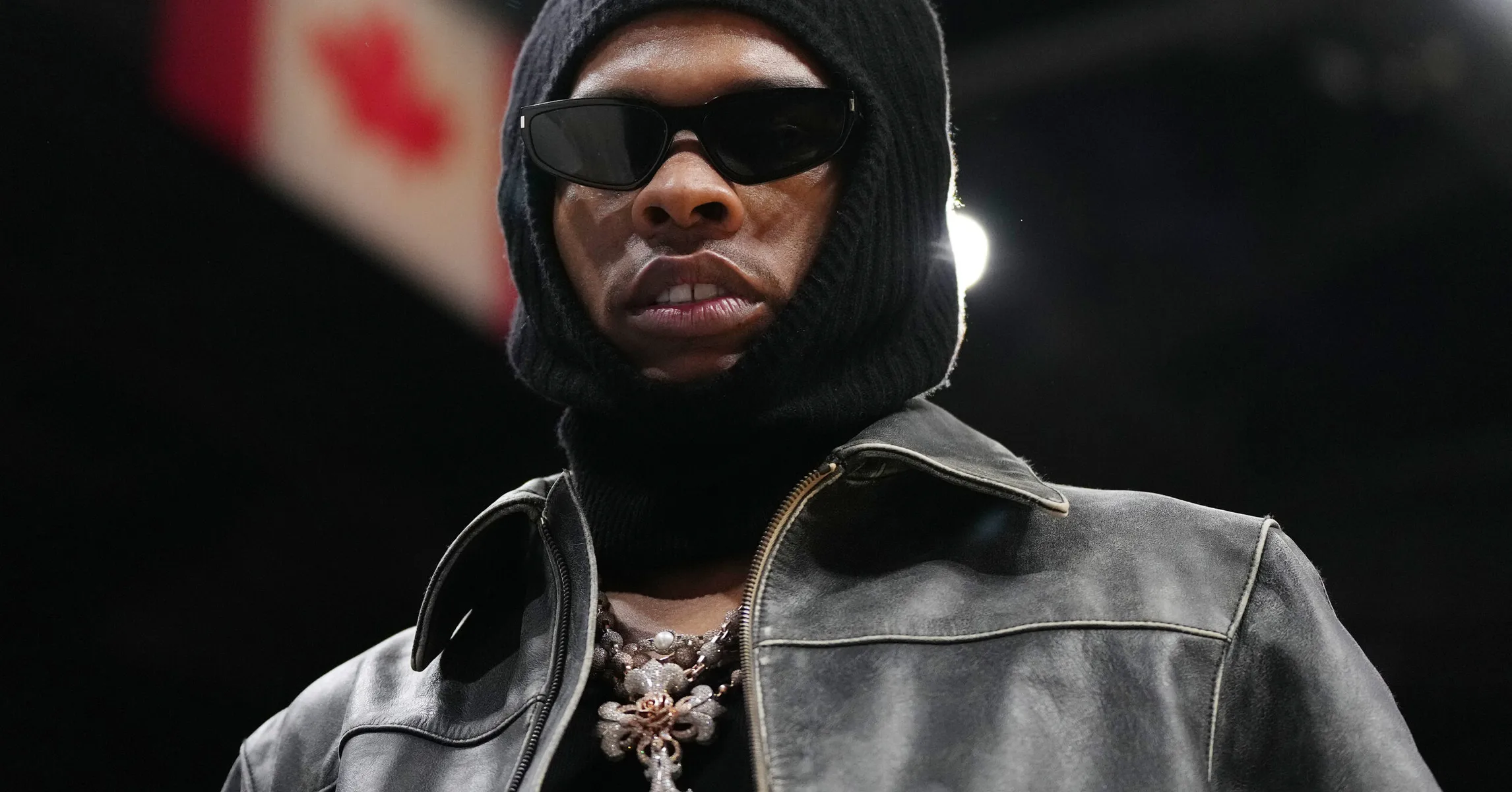
Jayda Cheaves Claims Lil Baby and Ari Fletcher Had an Affair

Piper Rockelle Shatters Record with $2.3M First Day on OnlyFans

Meta’s 2026 AI Policy Sparks Outrage Over Privacy Concerns

Leon Goretzka Considers Barcelona Move as Transfer Window Approaches
-
Top Stories1 month ago
Rachel Campos-Duffy Exits FOX Noticias; Andrea Linares Steps In
-
Entertainment12 hours ago
Jayda Cheaves Claims Lil Baby and Ari Fletcher Had an Affair
-
Top Stories2 weeks ago
Piper Rockelle Shatters Record with $2.3M First Day on OnlyFans
-
Top Stories2 weeks ago
Meta’s 2026 AI Policy Sparks Outrage Over Privacy Concerns
-
Sports2 weeks ago
Leon Goretzka Considers Barcelona Move as Transfer Window Approaches
-
 Top Stories2 weeks ago
Urgent Update: Denver Fire Forces Mass Evacuations, 100+ Firefighters Battling Blaze
-
 Health2 months ago
Terry Bradshaw Updates Fans on Health After Absence from FOX NFL Sunday
-
 Sports1 week ago
South Carolina Faces Arkansas in Key Women’s Basketball Clash
-
 Top Stories2 weeks ago
OnlyFans Creator Lily Phillips Reconnects with Faith in Rebaptism
-
 Top Stories1 week ago
CBS Officially Renames Yellowstone Spin-off to Marshals
-
 Top Stories2 weeks ago
Oregon Pilot and Three Niece Die in Arizona Helicopter Crash
-
 Entertainment2 weeks ago
Tom Brady Signals Disinterest in Alix Earle Over Privacy Concerns