
Health
Hawaii Settles $700 Million Case Against Plavix Manufacturers

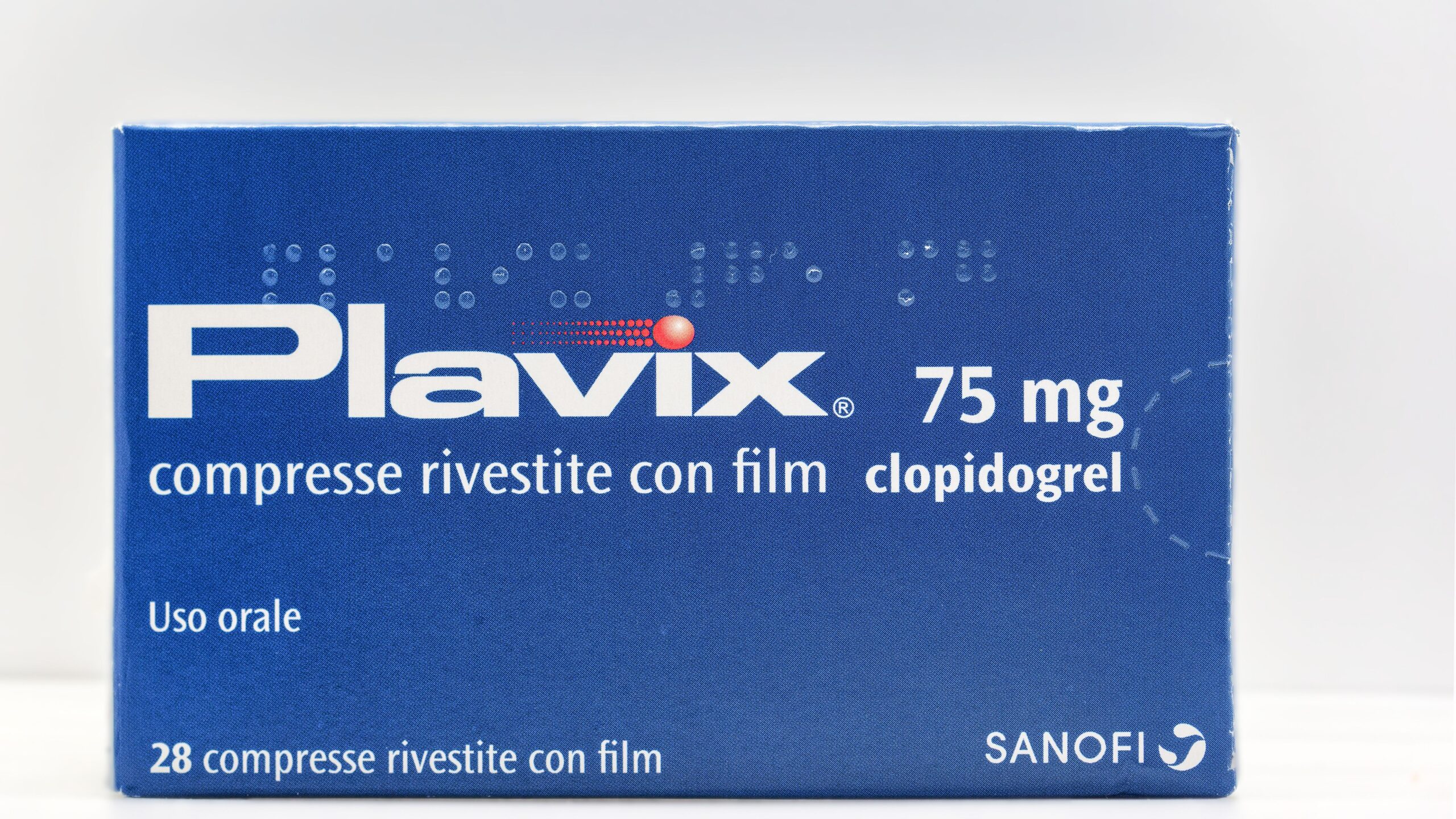
Hawaii has reached a significant settlement with the manufacturers of Plavix, Bristol Myers Squibb and Sanofi Pharmaceuticals, over allegations of misleading labeling practices. The case, which highlights important issues regarding medication safety, culminated in a settlement agreement of $700 million on May 9, 2025.
Clopidogrel, marketed as Plavix, is a medication approved by the U.S. Food and Drug Administration (FDA) in 1997. It is primarily used as a platelet aggregation inhibitor to help prevent strokes and heart attacks in patients at high risk. Despite its widespread use, significant genetic variations affect how patients metabolize the drug. Specifically, individuals of East Asian and Pacific Islander descent often have lower levels of the hepatic enzyme cytochrome 2C19, which is essential for the activation of clopidogrel.
In 2010, the FDA mandated that Plavix’s labeling include a boxed warning, indicating that certain populations may be poor metabolizers of the drug and at increased risk for adverse cardiac events. This warning came years after the manufacturers were allegedly aware of these risks.
In 2014, the Hawaii Attorney General initiated a lawsuit against Bristol Myers Squibb and Sanofi, claiming that they engaged in unfair or deceptive practices by promoting Plavix as safe and effective, despite knowing about the potential for subtherapeutic responses in certain ethnic groups. The lawsuit pointed out that before the FDA warning, there were 834,012 prescriptions dispensed.
During the legal proceedings, the plaintiffs sought damages totaling $834,012,000, which represented $1,000 for each prescription. The manufacturers argued they were restricted by federal law from altering the product’s labeling. However, the court found that the companies could have pursued changes through an FDA process known as “changes being effected.”
Legal Findings and Financial Penalties
The Hawaii First Circuit Court concluded that both manufacturers were equally responsible for the deceptive marketing practices. As a result, the court imposed a civil penalty of $417,006,000 against each defendant, totaling $834,012,000. Additionally, for claims of unfairness, the court assessed a civil penalty of $41,000,000 against each defendant, amounting to $82,000,000.
Ultimately, the settlement of $700 million was reached, with each company agreeing to pay $350 million. This outcome is expected to provide compensation to affected patients and serve as a reminder of the critical importance of transparency in pharmaceutical marketing and labeling.
The implications of this case extend beyond Hawaii, as it addresses significant concerns regarding how medications are marketed and the responsibilities of pharmaceutical companies to ensure patient safety. The settlement reinforces the need for ongoing vigilance in monitoring drug effectiveness and safety, particularly for vulnerable populations.

Anchorage School District and Educators Reach Tentative Agreement
U.S. Strike Eliminates Al-Qaeda Leader Linked to Deadly Attack

Iranian Cleric Calls for Protesters’ Executions, Threatens Trump and Netanyahu
GBI Investigates Death of Wanted Man in Tattnall County
Jayda Cheaves Claims Lil Baby and Ari Fletcher Had an Affair

Rachel Campos-Duffy Exits FOX Noticias; Andrea Linares Steps In

Piper Rockelle Shatters Record with $2.3M First Day on OnlyFans

Meta’s 2026 AI Policy Sparks Outrage Over Privacy Concerns

Leon Goretzka Considers Barcelona Move as Transfer Window Approaches

Urgent Update: Denver Fire Forces Mass Evacuations, 100+ Firefighters Battling Blaze
-
Top Stories1 month ago
Rachel Campos-Duffy Exits FOX Noticias; Andrea Linares Steps In
-
Top Stories2 weeks ago
Piper Rockelle Shatters Record with $2.3M First Day on OnlyFans
-
Top Stories2 weeks ago
Meta’s 2026 AI Policy Sparks Outrage Over Privacy Concerns
-
Sports2 weeks ago
Leon Goretzka Considers Barcelona Move as Transfer Window Approaches
-
Top Stories2 weeks ago
Urgent Update: Denver Fire Forces Mass Evacuations, 100+ Firefighters Battling Blaze
-
 Health2 months ago
Terry Bradshaw Updates Fans on Health After Absence from FOX NFL Sunday
-
 Sports1 week ago
South Carolina Faces Arkansas in Key Women’s Basketball Clash
-
 Top Stories2 weeks ago
OnlyFans Creator Lily Phillips Reconnects with Faith in Rebaptism
-
 Top Stories1 week ago
CBS Officially Renames Yellowstone Spin-off to Marshals
-
 Top Stories2 weeks ago
Oregon Pilot and Three Niece Die in Arizona Helicopter Crash
-
 Entertainment2 weeks ago
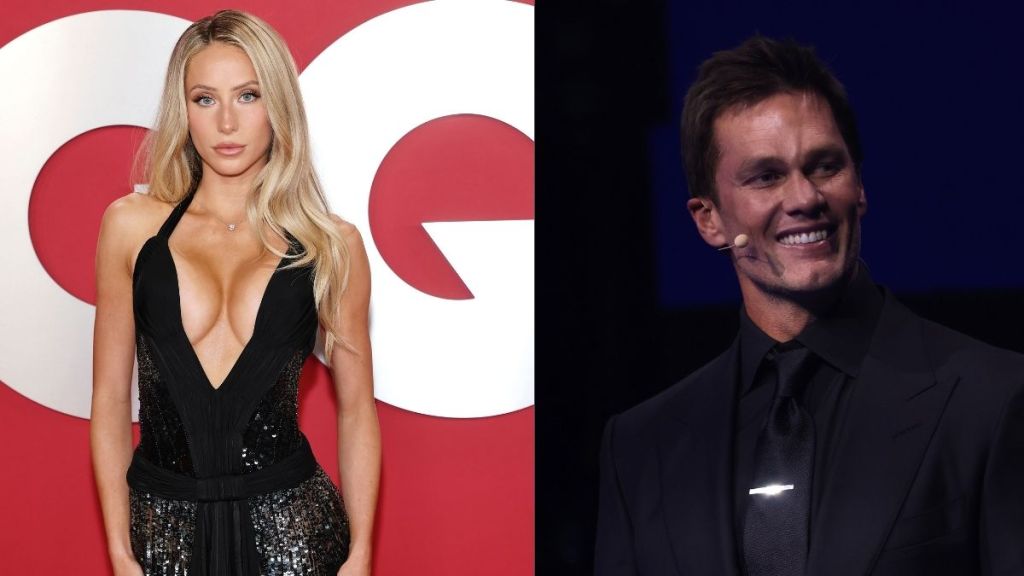
Tom Brady Signals Disinterest in Alix Earle Over Privacy Concerns
-
 Top Stories2 weeks ago
Warnock Joins Buddhist Monks on Urgent 2,300-Mile Peace Walk