
Health
Dietitians Warn Against Mixing Vitamins with Morning Coffee

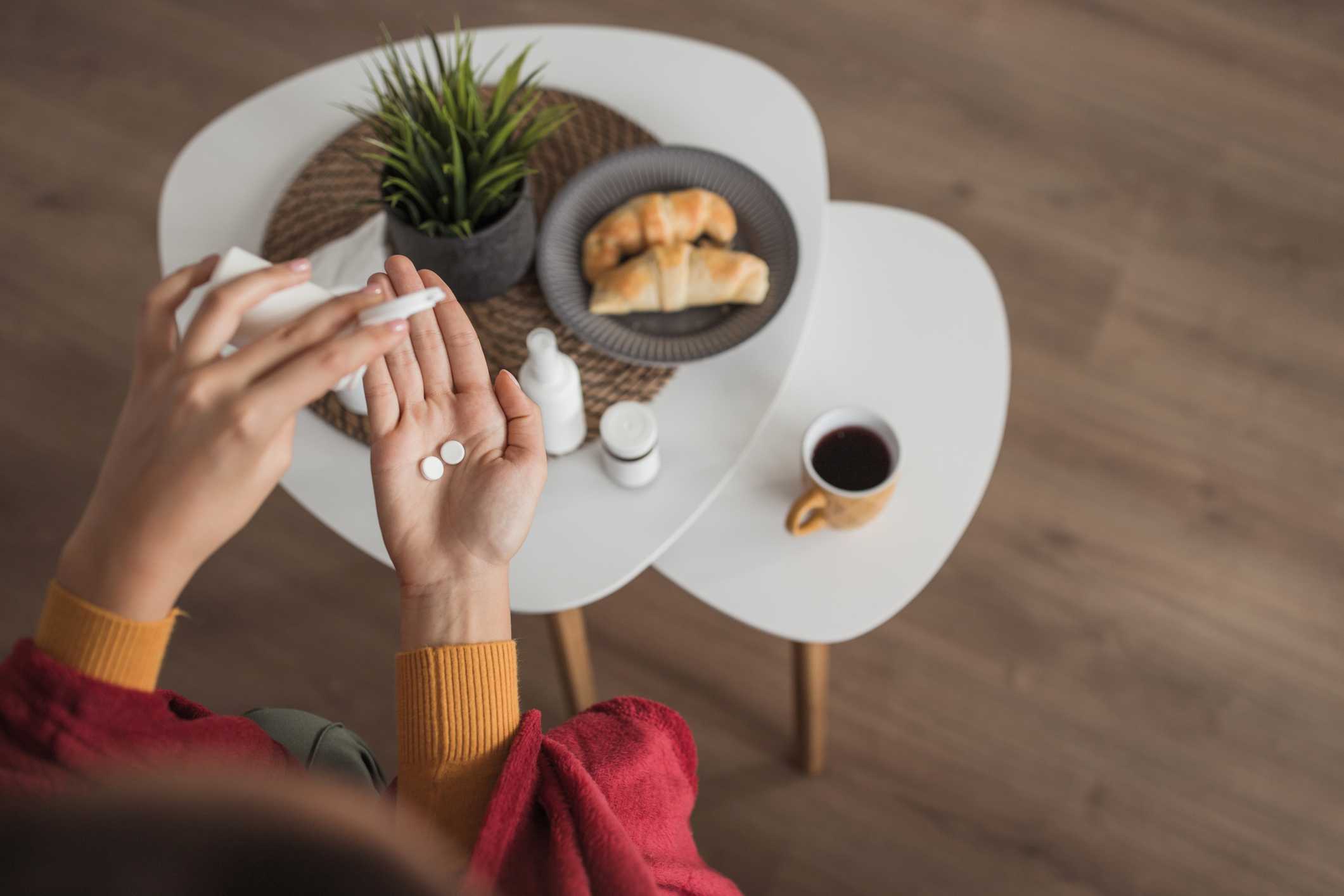
Many individuals take their vitamins alongside their morning coffee, but dietitians advise against this practice due to potential absorption issues. Consuming certain vitamins with coffee can significantly hinder the body’s ability to absorb essential nutrients. While this doesn’t necessitate abandoning coffee altogether—known for its health benefits—it does call for a strategic approach to supplementation.
Research highlights that taking iron supplements with coffee can drastically reduce iron absorption. A study conducted in 2022 in Switzerland revealed that when iron-deficient women ingested an iron supplement with coffee, their iron absorption dropped by 54% compared to taking it with water. This reduction is attributed to the interaction between iron and the polyphenol and tannin antioxidants present in coffee. Fortunately, a 2020 study indicated that consuming coffee one to two hours before a meal did not adversely affect iron absorption.
The relationship between coffee and vitamin D is also noteworthy. A 2021 study found that higher caffeine intake correlated with reduced levels of serum 25-hydroxyvitamin D, commonly known as vitamin D. The caffeine may interfere with vitamin D absorption by diminishing the expression of vitamin D receptors in the body. Additionally, caffeine acts as a diuretic, potentially leading to increased excretion of water-soluble vitamins, including most B vitamins and vitamin C, before they are adequately absorbed.
Another concern is that coffee consumption may indirectly impact calcium absorption, particularly when taken with vitamin D. This is particularly relevant for individuals with low calcium or vitamin D levels or those at risk of osteoporosis, such as older adults.
To enhance vitamin and mineral absorption, dietitians recommend waiting at least one hour after consuming coffee before taking any supplements prone to interaction. “If possible, it’s best to eat breakfast first, or drink coffee with breakfast, so you’re not consuming coffee on an empty stomach, which can irritate your stomach lining,” explains Shelley Balls, MDA, RDN, LDN, a registered dietitian with WOWMD. Following this, individuals should wait an hour or two to take their supplements. Limiting coffee intake to two cups per day may also help mitigate nutrient absorption issues.
For those managing their vitamin intake, utilizing a vitamin organizer can be beneficial. Placing supplements that do not interact with coffee in daytime compartments while storing those that do in evening compartments can simplify this process.
Tea, like coffee, can also affect nutrient absorption. Certain types of tea, especially black and green varieties, contain tannins and caffeine that may hinder the absorption of vitamins and minerals. “While the impact may be slightly less than coffee, depending on the type and amount, it’s still wise to avoid pairing tea with supplements like iron or calcium,” advises Cheryl Mussatto, MS, RD, LD, an outpatient clinical dietitian at the Cotton O’Neil Endocrinology and Diabetes Clinic in Topeka, Kansas.
To optimize vitamin and mineral absorption, timing is crucial. Review supplement labels for nutrients susceptible to coffee interference and schedule their intake at least one hour after coffee consumption. Incorporating more nutrient-dense foods into meals and routine check-ups with healthcare providers to monitor vitamin and mineral levels can further ensure adequate nutrient absorption.
In summary, while coffee remains a cherished part of many morning routines, understanding its interaction with vitamins can help individuals make informed choices about their health. By adjusting the timing of vitamin intake, it is possible to enjoy both coffee and the benefits of essential nutrients.

Discover the Most Influential Years in Horror Movie History

Logistic Properties of the Americas Sees 48.7% Surge in Short Interest

Dr. Brinen’s New Book Offers Hope for Living with Psychosis

C.J. Stroud Throws Four Interceptions in Texans’ Playoff Nightmare

Goldie Hawn Celebrates Daughter Kate Hudson’s Star Power
Jayda Cheaves Claims Lil Baby and Ari Fletcher Had an Affair

Rachel Campos-Duffy Exits FOX Noticias; Andrea Linares Steps In

Piper Rockelle Shatters Record with $2.3M First Day on OnlyFans

Meta’s 2026 AI Policy Sparks Outrage Over Privacy Concerns

Leon Goretzka Considers Barcelona Move as Transfer Window Approaches
-
Entertainment1 day ago
Jayda Cheaves Claims Lil Baby and Ari Fletcher Had an Affair
-
Top Stories1 month ago
Rachel Campos-Duffy Exits FOX Noticias; Andrea Linares Steps In
-
Top Stories2 weeks ago
Piper Rockelle Shatters Record with $2.3M First Day on OnlyFans
-
Top Stories2 weeks ago
Meta’s 2026 AI Policy Sparks Outrage Over Privacy Concerns
-
Sports2 weeks ago
Leon Goretzka Considers Barcelona Move as Transfer Window Approaches
-
 Top Stories2 weeks ago
Urgent Update: Denver Fire Forces Mass Evacuations, 100+ Firefighters Battling Blaze
-
 Health2 months ago
Terry Bradshaw Updates Fans on Health After Absence from FOX NFL Sunday
-
 Top Stories2 weeks ago
OnlyFans Creator Lily Phillips Reconnects with Faith in Rebaptism
-
 Sports2 weeks ago
South Carolina Faces Arkansas in Key Women’s Basketball Clash
-
 Top Stories2 weeks ago
CBS Officially Renames Yellowstone Spin-off to Marshals
-
 Top Stories2 weeks ago
Oregon Pilot and Three Niece Die in Arizona Helicopter Crash
-
 Entertainment2 weeks ago
Tom Brady Signals Disinterest in Alix Earle Over Privacy Concerns