
Entertainment
Director Park Chan-wook Transforms Novel into Gripping Drama ‘No Other Choice’

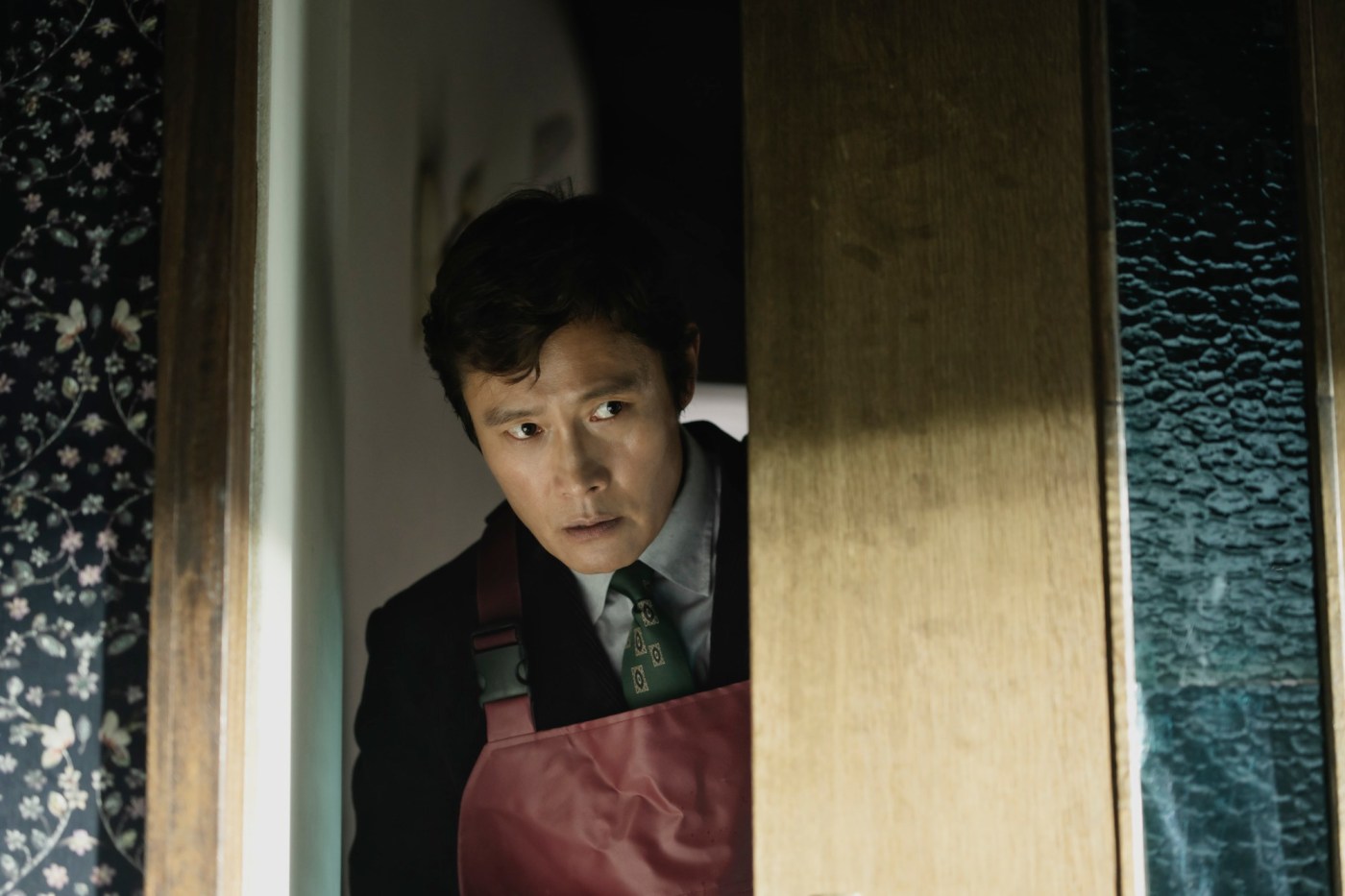
Director Park Chan-wook has captivated audiences with his latest film, “No Other Choice,” a gripping adaptation of Donald Westlake’s 1997 novel, “The Ax.” The film follows Mansu, portrayed by Lee Byung-hun, a seemingly successful man facing a devastating personal and professional crisis after being laid off from his job at a paper company. As the layers of Mansu’s life unfold, the film reveals the intricate fault lines that threaten to tear his family apart.
Set against the backdrop of South Korea, Mansu’s once stable life begins to crumble, exposing deep-rooted issues. His family home, which he fought to reclaim after losing it, bears the scars of tragedy: it was the site of his father’s suicide, a direct consequence of a pig farm’s ruin due to disease. Mansu’s story is further complicated by his troubled past as an alcoholic, which had dire repercussions, including abuse towards his stepson, Si-One, played by Woo Seung Kim. His daughter, Ri-One, skillfully portrayed by So Yul Choi, navigates life as a musical savant on the autism spectrum, grappling with communication challenges.
Mansu’s wife, Miri, played by Son Ye-Jin, emerges as the family’s backbone, striving to maintain stability as financial pressures mount and mental health deteriorates. Park artfully conveys the emotional weight of these dynamics through small, poignant moments. For instance, Mansu often retreats to his greenhouse, where he meticulously tends to a bonsai plant, a metaphor for his struggle to control his life. This imagery foreshadows the explosive turning point when Mansu’s desperation drives him to violence.
As Mansu’s situation deteriorates, he becomes fixated on a singular job opportunity in the paper industry, believing that eliminating competition is his only path to reclaiming his former status. His initial attempts at becoming a hitman are portrayed with a mix of dark humor and stark reality. In one notable scene, a chaotic scramble for a gun unfolds, culminating in a shocking twist, underscoring the film’s blend of tension and levity.
Mansu’s character evolves from a bumbling figure into a ruthless individual, mirroring the corporate culture that often overlooks human cost in favor of profit. The film serves as a layered critique of late-stage capitalism, particularly in an era increasingly influenced by artificial intelligence and automation. Despite its American origins, Park emphasizes that the film’s core themes remain relevant across cultures.
In a recent interview, Park Chan-wook shared insights into the adaptation process, explaining that while the screenplay underwent revisions to resonate with Korean audiences, the fundamental tone and themes stayed intact. He noted, “In Korean society, the traces of patriarchal order are still very strong.” Mansu’s internal struggles reflect societal pressures, drawing parallels to universal issues faced by men navigating familial and professional roles.
The film takes its time to establish Mansu’s family dynamics before delving into violence, a deliberate choice by Park. He stated, “I wrote the wife and children’s roles to be much bigger. Mansu does all of this killing for the sake of his family— or that’s how he justifies it.” This nuanced portrayal enhances the emotional stakes and invites viewers to grapple with the moral complexities of Mansu’s actions.
Despite the film’s exploration of dark themes, Park aims for open interpretations, allowing audiences to reflect on the implications of Mansu’s choices. He encourages viewers to contemplate the potential dark futures awaiting the family, suggesting that the seemingly idyllic aspects of their lives may conceal more sinister realities.
“No Other Choice” has garnered critical acclaim, earning accolades such as the Golden Lion at the Venice Film Festival and a nomination for Best Picture at the Golden Globe Awards. With its gripping narrative and profound themes, the film stands as a testament to Park Chan-wook‘s skill in transforming a pulp novel into a compelling cinematic experience that resonates with global audiences.
Karam’s Little Leaders Program Empowers Families Worldwide

Cuba Vows to Defend Sovereignty Amid US Pressure for Deal

Oxford Industries Shares Decline: Analysts Revise Ratings
Karam’s Little Leaders Expands Global Parenting Program Today

Free Concert Series Returns to Mueller Lake Park in Spring 2026

Rachel Campos-Duffy Exits FOX Noticias; Andrea Linares Steps In

Piper Rockelle Shatters Record with $2.3M First Day on OnlyFans

Meta’s 2026 AI Policy Sparks Outrage Over Privacy Concerns
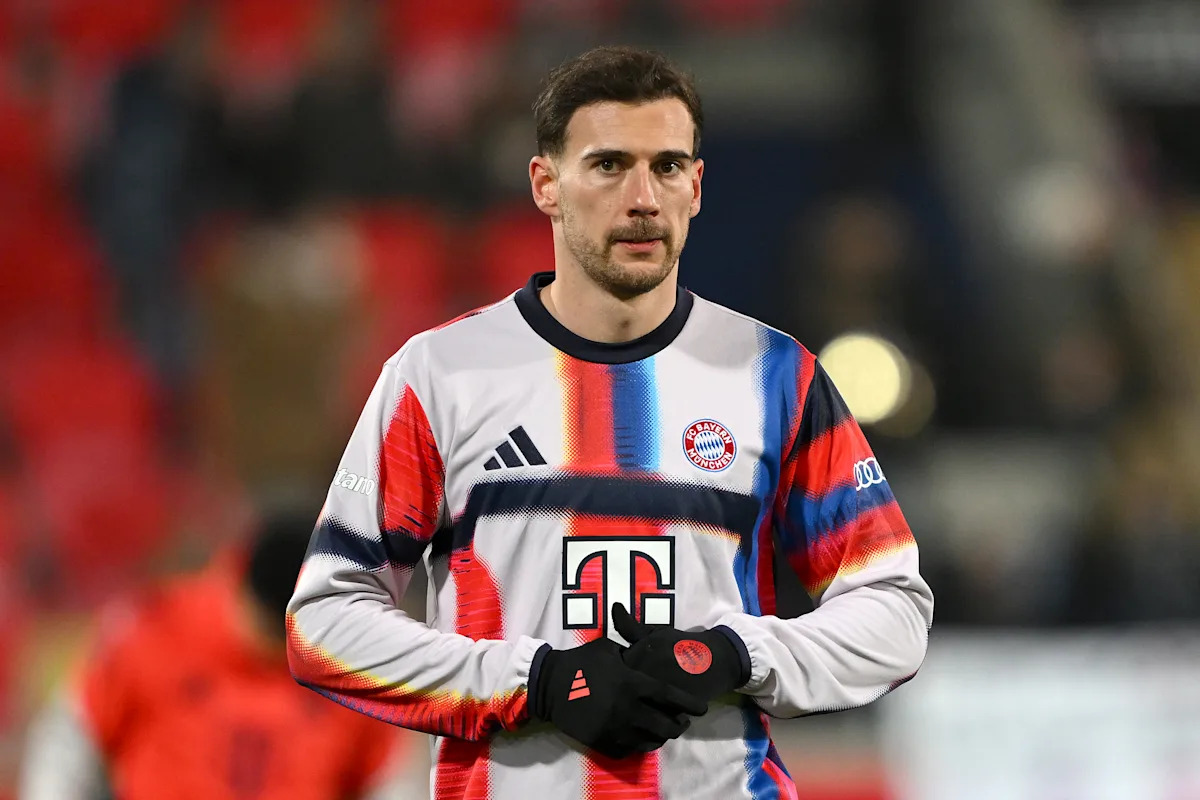
Leon Goretzka Considers Barcelona Move as Transfer Window Approaches

Urgent Update: Denver Fire Forces Mass Evacuations, 100+ Firefighters Battling Blaze
-
Top Stories1 month ago
Rachel Campos-Duffy Exits FOX Noticias; Andrea Linares Steps In
-
Top Stories1 week ago
Piper Rockelle Shatters Record with $2.3M First Day on OnlyFans
-
Top Stories7 days ago
Meta’s 2026 AI Policy Sparks Outrage Over Privacy Concerns
-
Sports6 days ago
Leon Goretzka Considers Barcelona Move as Transfer Window Approaches
-
Top Stories1 week ago
Urgent Update: Denver Fire Forces Mass Evacuations, 100+ Firefighters Battling Blaze
-
 Sports5 days ago
South Carolina Faces Arkansas in Key Women’s Basketball Clash
-
 Top Stories2 weeks ago
OnlyFans Creator Lily Phillips Reconnects with Faith in Rebaptism
-
 Top Stories6 days ago
Warnock Joins Buddhist Monks on Urgent 2,300-Mile Peace Walk
-
 Top Stories5 days ago
CBS Officially Renames Yellowstone Spin-off to Marshals
-
 Entertainment6 days ago
Tom Brady Signals Disinterest in Alix Earle Over Privacy Concerns
-
 Top Stories1 week ago
Oregon Pilot and Three Niece Die in Arizona Helicopter Crash
-
 Health2 months ago
Terry Bradshaw Updates Fans on Health After Absence from FOX NFL Sunday