
Entertainment
Discover the Most Influential Years in Horror Movie History

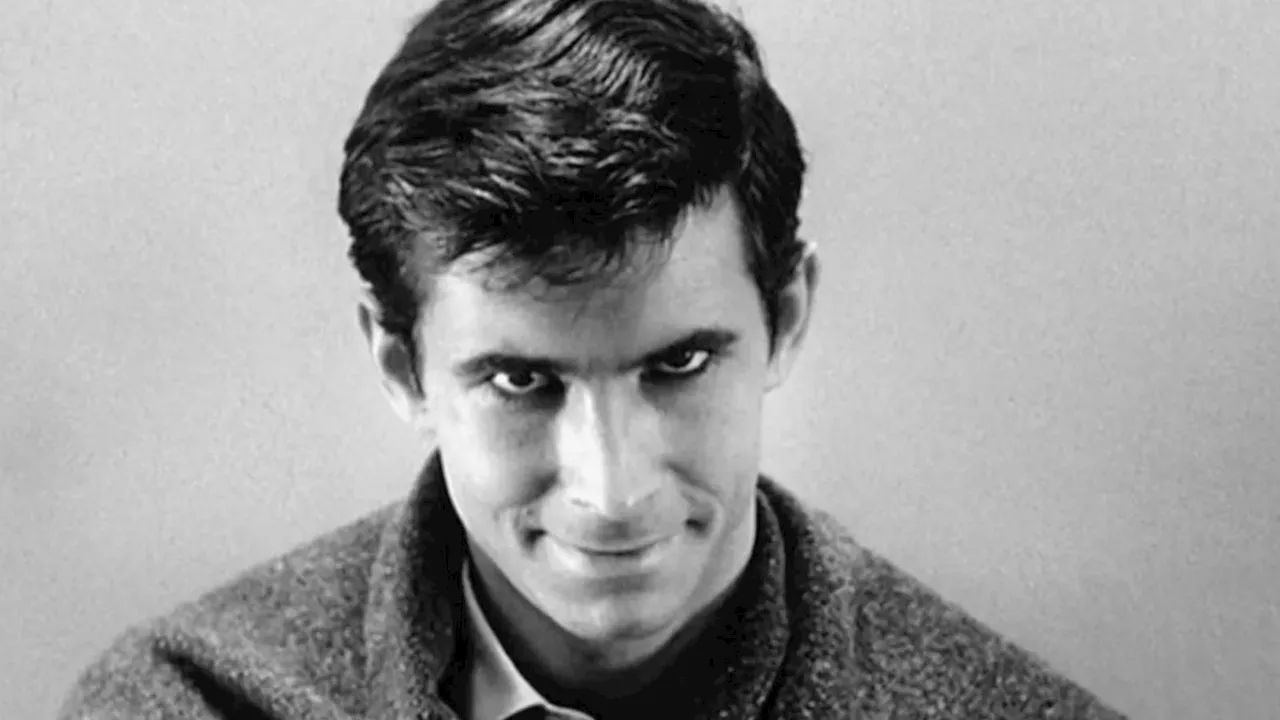
The horror genre has undergone remarkable transformations over the past century, with certain years standing out as pivotal moments that redefined its landscape. From silent films to contemporary blockbusters, horror continues to captivate audiences worldwide. This article explores some of the most significant years in horror movie history, highlighting their unique contributions to the genre.
2018: A Year of Diverse Horrors
The year 2018 marked a turning point in modern horror, showcasing an impressive range of styles and narratives. The critical success of films such as Hereditary and Annihilation was complemented by mainstream hits like A Quiet Place and Bird Box. This eclectic mix illustrated the genre’s diversity, appealing to both niche audiences and the general public. While some years of the 2010s featured standout films, none encapsulated the chaotic energy of contemporary horror as effectively as 2018. The box office thrived, with blockbusters like The Nun drawing substantial crowds, while daring projects like Mandy found their footing on streaming platforms.
1999: The Emergence of New Voices
As the 1990s drew to a close, 1999 emerged as a landmark year in horror, signaling a departure from earlier trends. The release of The Blair Witch Project marked a significant shift, introducing found footage as a powerful storytelling device. This film, combined with the unique vision of directors like M. Night Shyamalan and the innovative work of established filmmakers like Tim Burton, showcased a new era of creativity. Despite the prevalence of remakes during this time, the year produced numerous original stories that resonated with audiences and critics alike.
1987: A Pinnacle of Franchise Horror
By 1987, horror had firmly established its place in popular culture, with the decade characterized by a strong franchise mentality. Iconic films such as Evil Dead II and A Nightmare on Elm Street 3: Dream Warriors not only dominated the box office but also became cultural touchstones. While sequels were a significant trend, 1987 also saw the emergence of original concepts, with Hellraiser introducing Clive Barker as a notable new voice in the genre. The year exemplified the diversity within horror, blending elements of science fiction in Predator and adding psychological twists in films like The Stepfather.
1981: The Rise of the Slasher
The influence of Friday the 13th was profound, with 1981 becoming synonymous with the slasher genre. Numerous films, including Happy Birthday to Me and My Bloody Valentine, aimed to capitalize on this trend. Despite the dominance of slashers, the year also yielded significant contributions, such as The Evil Dead, which revitalized supernatural horror, and An American Werewolf in London, which masterfully blended horror with humor. This year illustrated the genre’s ability to innovate even amid the rise of formulaic trends.
1978: A Defining Year for Horror
In 1978, horror reached a new pinnacle, integrating various movements from the preceding decade. The release of Halloween solidified the slasher archetype, while Dawn of the Dead modernized zombie narratives with a social commentary that resonated with audiences. Although the year lacked a multitude of standout films, its key releases signified a larger shift in horror, laying the groundwork for future developments in the genre.
1974: Realism and Grime in Horror
As the Vietnam War concluded, horror took on a darker tone in 1974. The impact of real-world violence influenced filmmakers, leading to raw and unsettling narratives. The Texas Chainsaw Massacre, directed by Tobe Hooper, exemplified this trend, showcasing a visceral approach to horror that was both shocking and impactful. The genre also took a more humanistic turn with films like Black Christmas, which deviated from supernatural elements to explore the horrors of reality.
1968: A Revolutionary Shift
The year 1968 stands out in horror history, marked by the release of two transformative films: Rosemary’s Baby and Night of the Living Dead. Both films broke new ground in the genre, introducing complex narratives that reflected societal issues. George Romero’s Night of the Living Dead not only established the modern zombie archetype but also engaged with pressing themes of race and social unrest, making it a landmark in horror cinema.
1960: The Resurgence of Horror
A significant shift occurred in 1960, as horror re-emerged from the shadows of science fiction and atomic fears. Alfred Hitchcock’s Psycho redefined the genre, offering a psychological exploration of evil that had not been seen before. The simultaneous release of Peeping Tom by Michael Powell further delved into the darker aspects of human nature, setting a new tone for horror films in the years to come.
1931: The Birth of the Classic Horror Era
The year 1931 is often hailed as the inception of horror’s golden age, marked by the releases of Dracula and Frankenstein by Universal Pictures. These films not only introduced legendary characters but also solidified the genre’s place in mainstream cinema. Actors Boris Karloff and Bela Lugosi became icons, and their performances laid the groundwork for future horror films, transforming the genre from a novelty into a blockbuster phenomenon.
As horror continues to evolve, these pivotal years remain influential, showcasing the genre’s ability to reflect societal fears, embrace innovation, and entertain audiences. Each of these years contributed unique narratives and styles, shaping the landscape of horror cinema for generations to come.
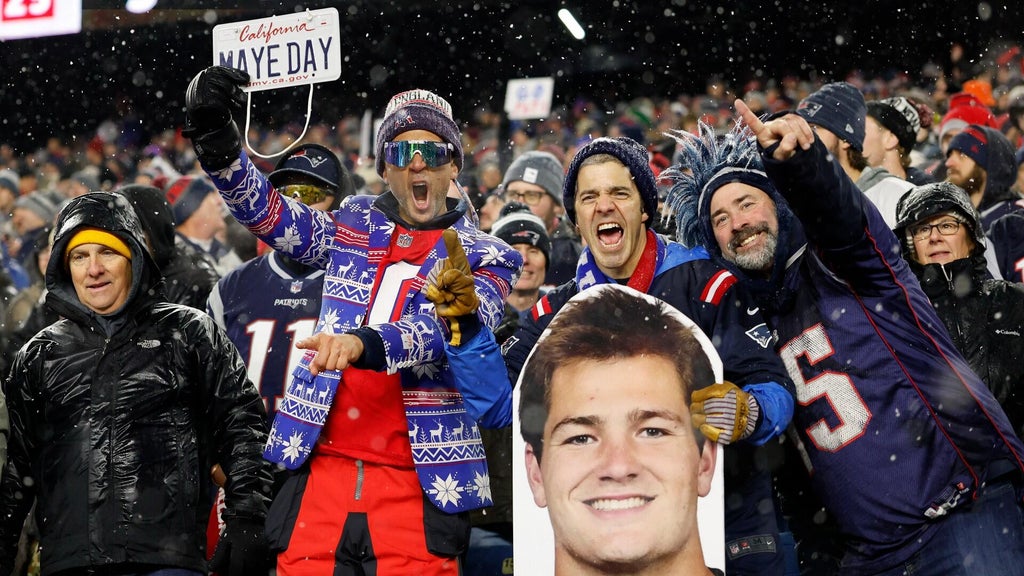
Patriots Face Broncos Sunday for AFC Championship Showdown
Discover the Most Influential Years in Horror Movie History

Logistic Properties of the Americas Sees 48.7% Surge in Short Interest

Dr. Brinen’s New Book Offers Hope for Living with Psychosis
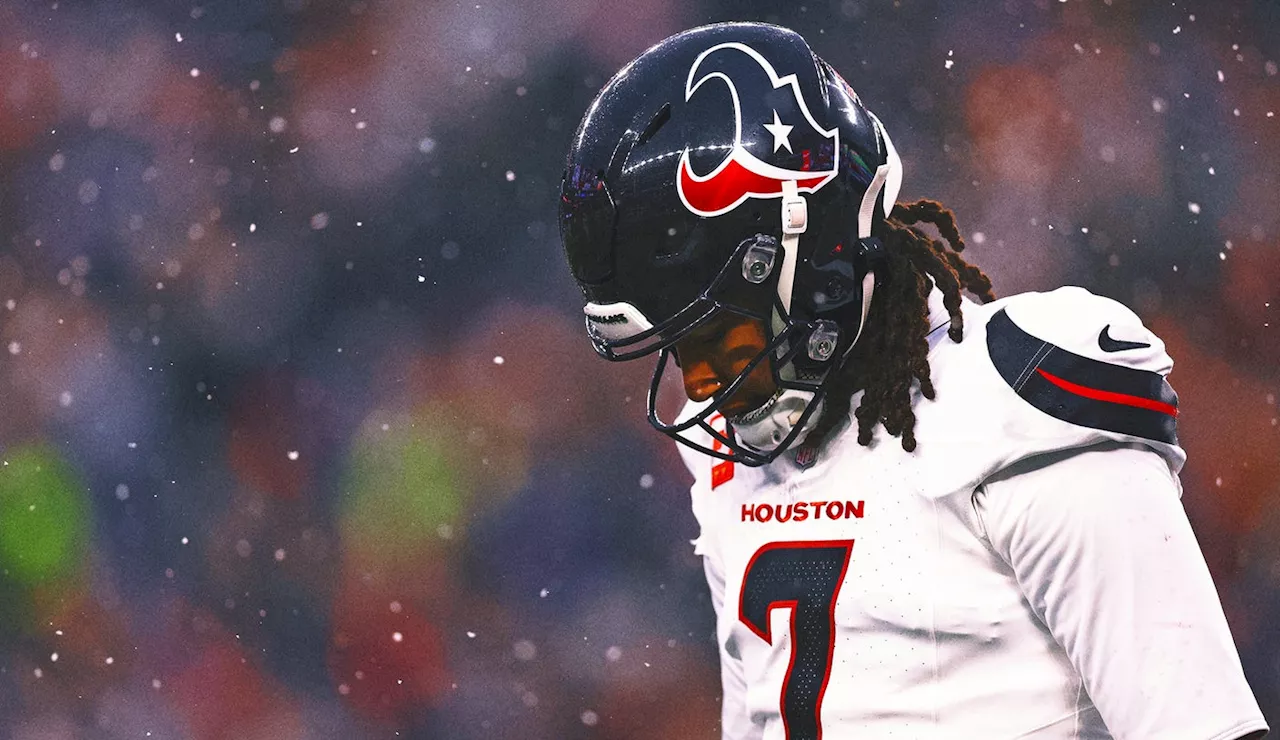
C.J. Stroud Throws Four Interceptions in Texans’ Playoff Nightmare
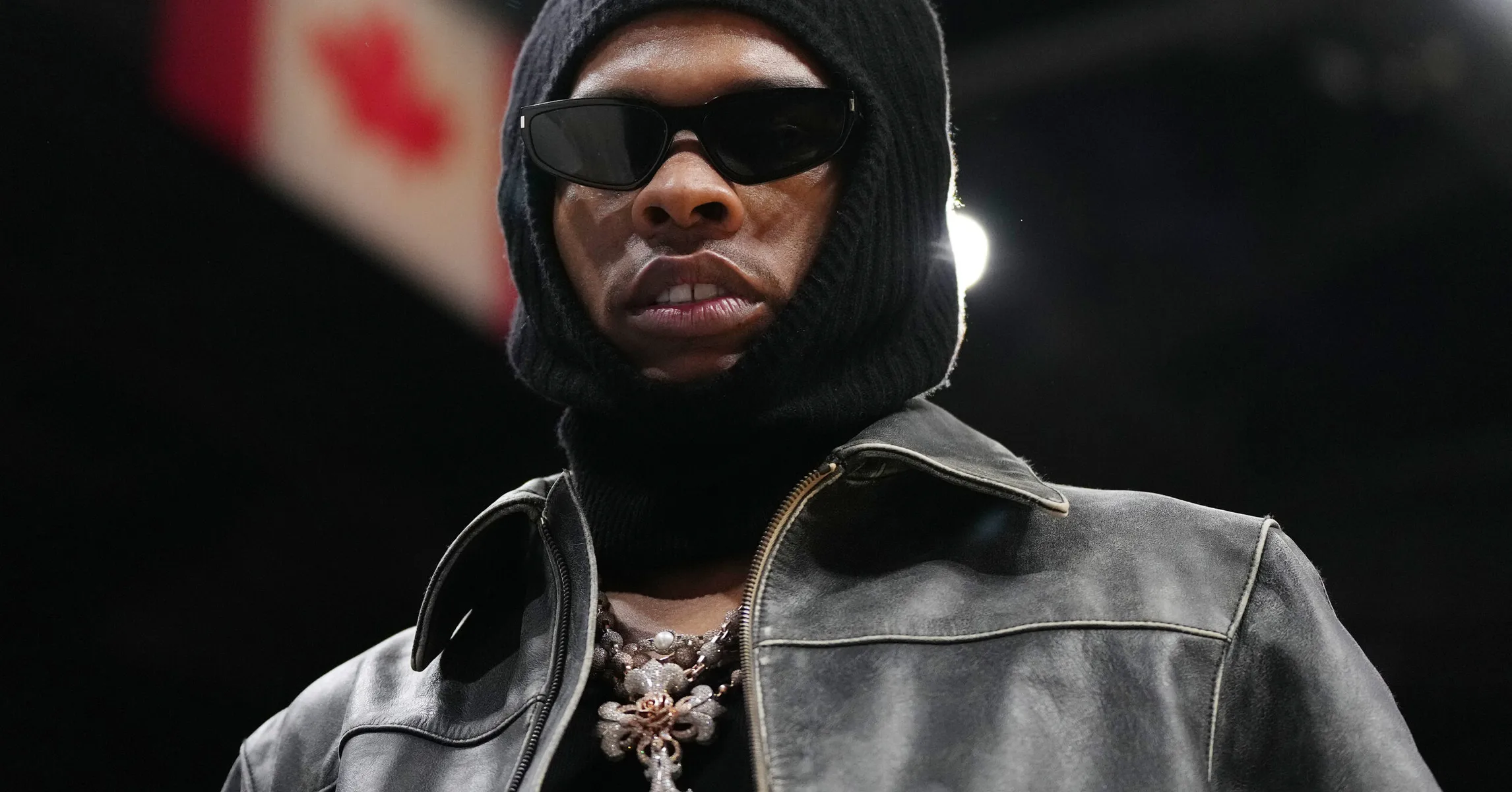
Jayda Cheaves Claims Lil Baby and Ari Fletcher Had an Affair
Rachel Campos-Duffy Exits FOX Noticias; Andrea Linares Steps In

Piper Rockelle Shatters Record with $2.3M First Day on OnlyFans

Meta’s 2026 AI Policy Sparks Outrage Over Privacy Concerns

Leon Goretzka Considers Barcelona Move as Transfer Window Approaches
-
Entertainment1 day ago
Jayda Cheaves Claims Lil Baby and Ari Fletcher Had an Affair
-
Top Stories1 month ago
Rachel Campos-Duffy Exits FOX Noticias; Andrea Linares Steps In
-
Top Stories2 weeks ago
Piper Rockelle Shatters Record with $2.3M First Day on OnlyFans
-
Top Stories2 weeks ago
Meta’s 2026 AI Policy Sparks Outrage Over Privacy Concerns
-
Sports2 weeks ago
Leon Goretzka Considers Barcelona Move as Transfer Window Approaches
-
 Top Stories2 weeks ago
Urgent Update: Denver Fire Forces Mass Evacuations, 100+ Firefighters Battling Blaze
-
 Health2 months ago
Terry Bradshaw Updates Fans on Health After Absence from FOX NFL Sunday
-
 Top Stories2 weeks ago
OnlyFans Creator Lily Phillips Reconnects with Faith in Rebaptism
-
 Sports2 weeks ago
South Carolina Faces Arkansas in Key Women’s Basketball Clash
-
 Top Stories2 weeks ago
CBS Officially Renames Yellowstone Spin-off to Marshals
-
 Top Stories2 weeks ago
Oregon Pilot and Three Niece Die in Arizona Helicopter Crash
-
 Entertainment2 weeks ago
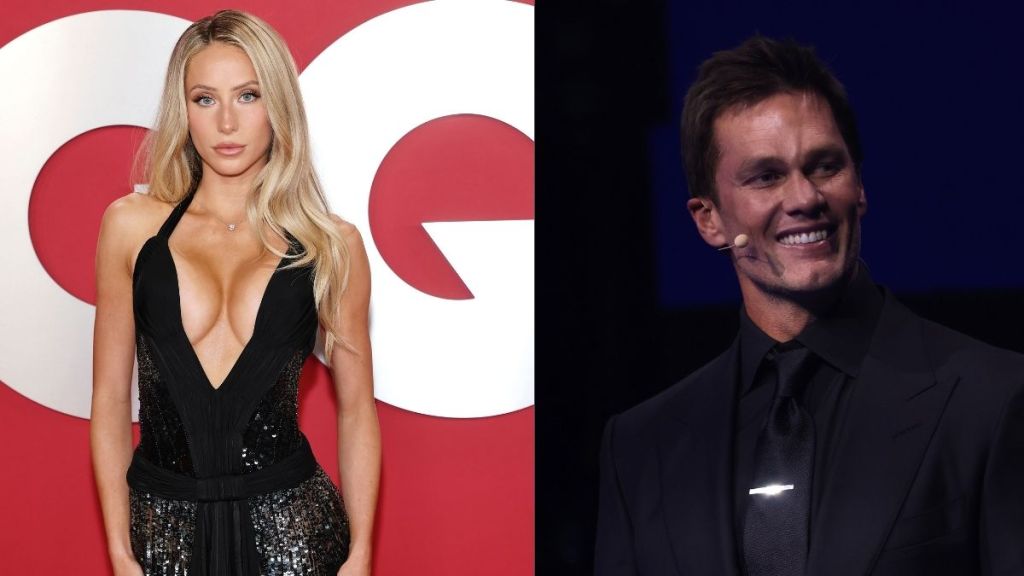
Tom Brady Signals Disinterest in Alix Earle Over Privacy Concerns