
Top Stories
University of Minnesota Study Reveals Cropland’s Carbon Storage Boost

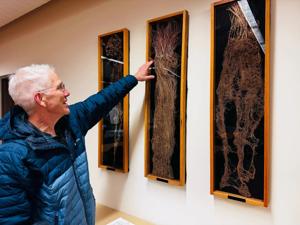
BREAKING: A groundbreaking study from the University of Minnesota reveals that retired cropland can significantly enhance carbon storage capacity, offering a potential solution to climate change. Conducted by ecology professor Eric Seabloom, this comprehensive 40-year research highlights how fertilizers can boost the land’s ability to sequester carbon, a critical finding as global temperatures continue to rise.
The research, conducted at the Cedar Creek Ecosystem Science Reserve in East Bethel, Minnesota, analyzed soil plots over the last several decades. Seabloom’s team applied fertilizers to different plots for ten years before halting applications on half of them for an additional thirty years. The results indicate that the fields not only continued to store carbon but did so at an accelerated rate after fertilization ceased.
“Fields can accumulate carbon for at least 40 years, and fertilization increases the rate of accumulation,” Seabloom stated. “There are more plants, and they’re growing by the day, fixing more CO2 and storing it underground.” This is significant, especially for grasslands, which have deep root systems that can retain carbon even during wildfires.
The implications of this research are profound for farmers and environmentalists alike. Andrew MacDougall, a biology professor at the University of Guelph, emphasizes the paradox of using fertilizers—known pollutants—to combat carbon emissions. “These nutrients are critically important but have become major global pollutants,” MacDougall explained. However, his findings suggest that only one application of fertilizer is necessary for effective carbon storage, challenging conventional agricultural practices.
The study has garnered interest from local farming organizations, including Alternative Land Use Services, which provided access to land owned by farmer members for further investigations. This partnership is not typical but reflects the urgent need for innovative solutions in agriculture.
Bryan Gilvesy, chief strategy officer of the organization and an Ontario cattle farmer, expressed excitement over the findings. “Farmers could get paid for maintaining idle land,” he noted. “This opens up new revenue streams by growing an ‘environmental service crop’ that hasn’t been conceived before.”
While the research paves the way for new agricultural policies, MacDougall cautions against relying solely on carbon absorption to solve emissions issues. “We can’t retire our way out of a problem,” he warned. “Just like buying a carbon offset for a flight does not negate the emissions produced.”
As this research gains traction, the agricultural community and policymakers are urged to consider the potential of retired cropland in carbon sequestration strategies. The study demonstrates that with thoughtful management and innovative practices, farmers can play a crucial role in combatting climate change while also securing financial benefits.
Stay tuned for more updates on this developing story as researchers and farmers collaborate to implement these findings in real-world applications. The urgency to act on climate change has never been greater, and this study could be a game-changer in how we approach agricultural sustainability.
Waubonsee Community College Launches RISE 2030 Initiative for Community Engagement

Wyomissing Police Address Series of Incidents on January 16

Nitches and Jerash Holdings: A Comparative Analysis of Stocks

7-Year-Old Girl Saves Dad After Scary Fall at Home

Kevin Costner Celebrates 71 with Insights and Horoscope Predictions

Rachel Campos-Duffy Exits FOX Noticias; Andrea Linares Steps In

Jayda Cheaves Claims Lil Baby and Ari Fletcher Had an Affair

Piper Rockelle Shatters Record with $2.3M First Day on OnlyFans

Meta’s 2026 AI Policy Sparks Outrage Over Privacy Concerns

Leon Goretzka Considers Barcelona Move as Transfer Window Approaches
-
Top Stories1 month ago
Rachel Campos-Duffy Exits FOX Noticias; Andrea Linares Steps In
-
Entertainment17 hours ago
Jayda Cheaves Claims Lil Baby and Ari Fletcher Had an Affair
-
Top Stories2 weeks ago
Piper Rockelle Shatters Record with $2.3M First Day on OnlyFans
-
Top Stories2 weeks ago
Meta’s 2026 AI Policy Sparks Outrage Over Privacy Concerns
-
Sports2 weeks ago
Leon Goretzka Considers Barcelona Move as Transfer Window Approaches
-
 Top Stories2 weeks ago
Urgent Update: Denver Fire Forces Mass Evacuations, 100+ Firefighters Battling Blaze
-
 Health2 months ago
Terry Bradshaw Updates Fans on Health After Absence from FOX NFL Sunday
-
 Top Stories2 weeks ago
OnlyFans Creator Lily Phillips Reconnects with Faith in Rebaptism
-
 Sports1 week ago
South Carolina Faces Arkansas in Key Women’s Basketball Clash
-
 Top Stories1 week ago
CBS Officially Renames Yellowstone Spin-off to Marshals
-
 Top Stories2 weeks ago
Oregon Pilot and Three Niece Die in Arizona Helicopter Crash
-
 Entertainment2 weeks ago
Tom Brady Signals Disinterest in Alix Earle Over Privacy Concerns