
Education
Demand for De-escalation Amid ICE Presence in Minneapolis

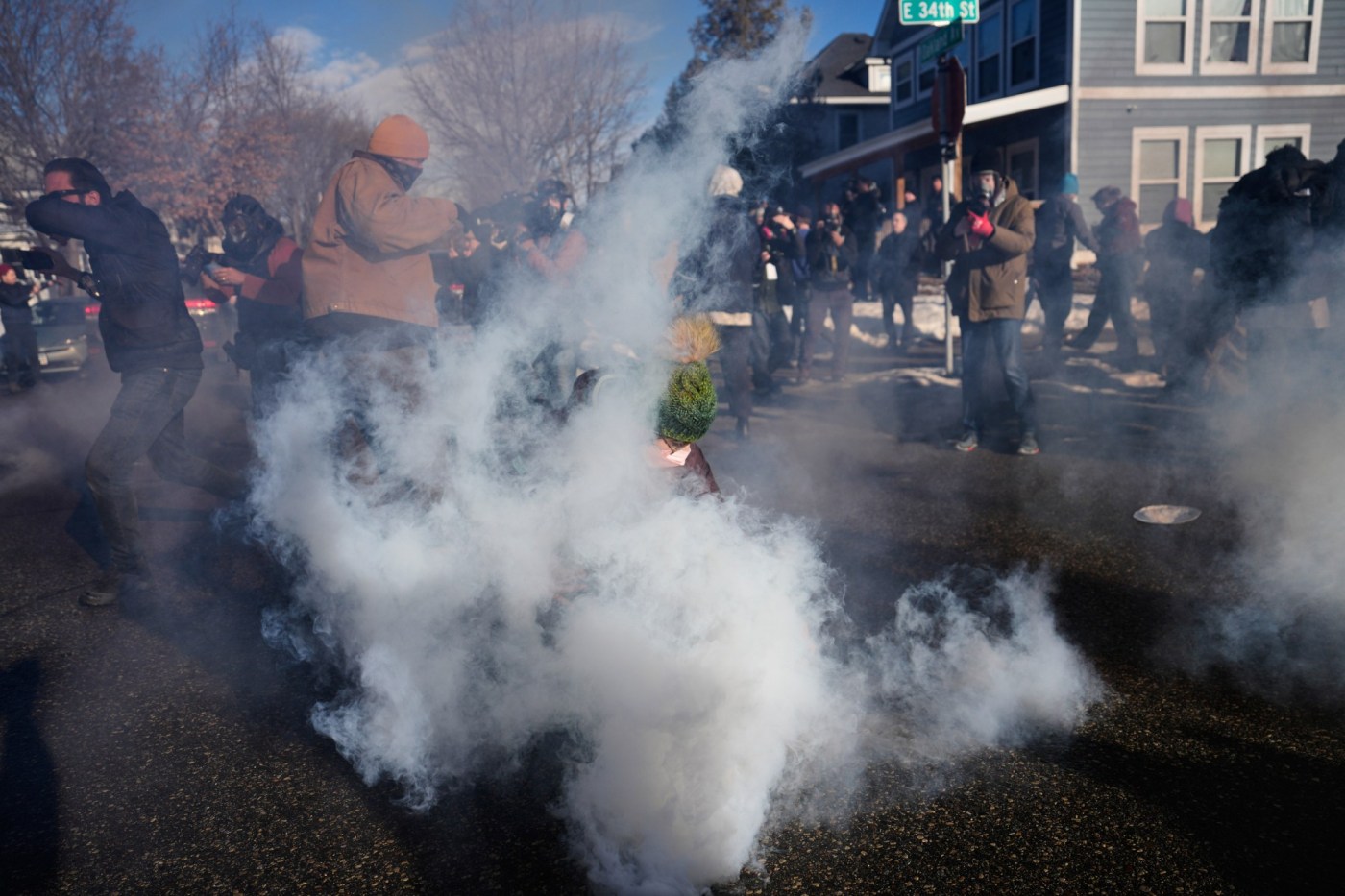
The deployment of hundreds of federal immigration agents to Minneapolis has resulted in tragic outcomes, including the fatal shooting of a 37-year-old mother of three by an ICE agent. This incident has sparked widespread protests, leading to heightened tensions between law enforcement and the local community. In response, President Donald Trump has announced plans to send additional federal agents to the area and is considering invoking the Insurrection Act, which would grant the military authority to suppress protests and detain demonstrators.
The situation has drawn criticism from various quarters, emphasizing the urgent need for de-escalation strategies within law enforcement. Rick Pozniak, a veteran in public and crisis communications, advocates for a shift in tactics by ICE officers. According to Pozniak, one of the most critical principles in crisis management—whether during protests or hostage situations—is the practice of de-escalation.
Importance of De-escalation in Crisis Management
In the context of Minneapolis, where emotions are running high, the presence of heavily armed federal agents may exacerbate fear and anger rather than restore order. Pozniak argues that temporarily withdrawing ICE enforcement teams could help to diffuse tensions, allowing the community to process the recent tragedy and engage in constructive dialogue. He highlights that this approach is essential for both mourning the deceased and conducting an impartial investigation into the shooting.
The proposed cooling-off period would also facilitate transparent communication between federal and local law enforcement, as well as community oversight bodies. This dialogue should focus on respect and accountability, emphasizing the civil liberties of all residents. Pozniak insists that ICE agents, upon their return, should adopt a professional demeanor—eschewing face masks and combat uniforms in favor of standard law enforcement attire.
Building Trust Through Accountability
Creating a safer environment requires federal agents to prioritize community safety and accountability in their enforcement actions. Pozniak stresses the necessity of robust oversight mechanisms to ensure that any use of physical force is justified and does not further damage community relations. He calls for the implementation of best practices in communication and detainment, similar to those utilized by municipal police departments.
The emphasis on de-escalation and community engagement is not merely a matter of protocol but an essential strategy for protecting lives on all sides. With public opinion increasingly critical of current ICE tactics, as indicated by recent surveys, Pozniak’s recommendations could serve as a pathway to restoring trust between law enforcement and the communities they serve.
In a time where the relationship between federal agents and local residents is fraught with tension, the call for a more humane and respectful approach has never been more urgent. The ongoing situation in Minneapolis serves as a critical reminder of the need for effective crisis management strategies that prioritize de-escalation and community engagement.

Finn Wolfhard Hosts SNL, Jokes About Adult Films with Co-Stars
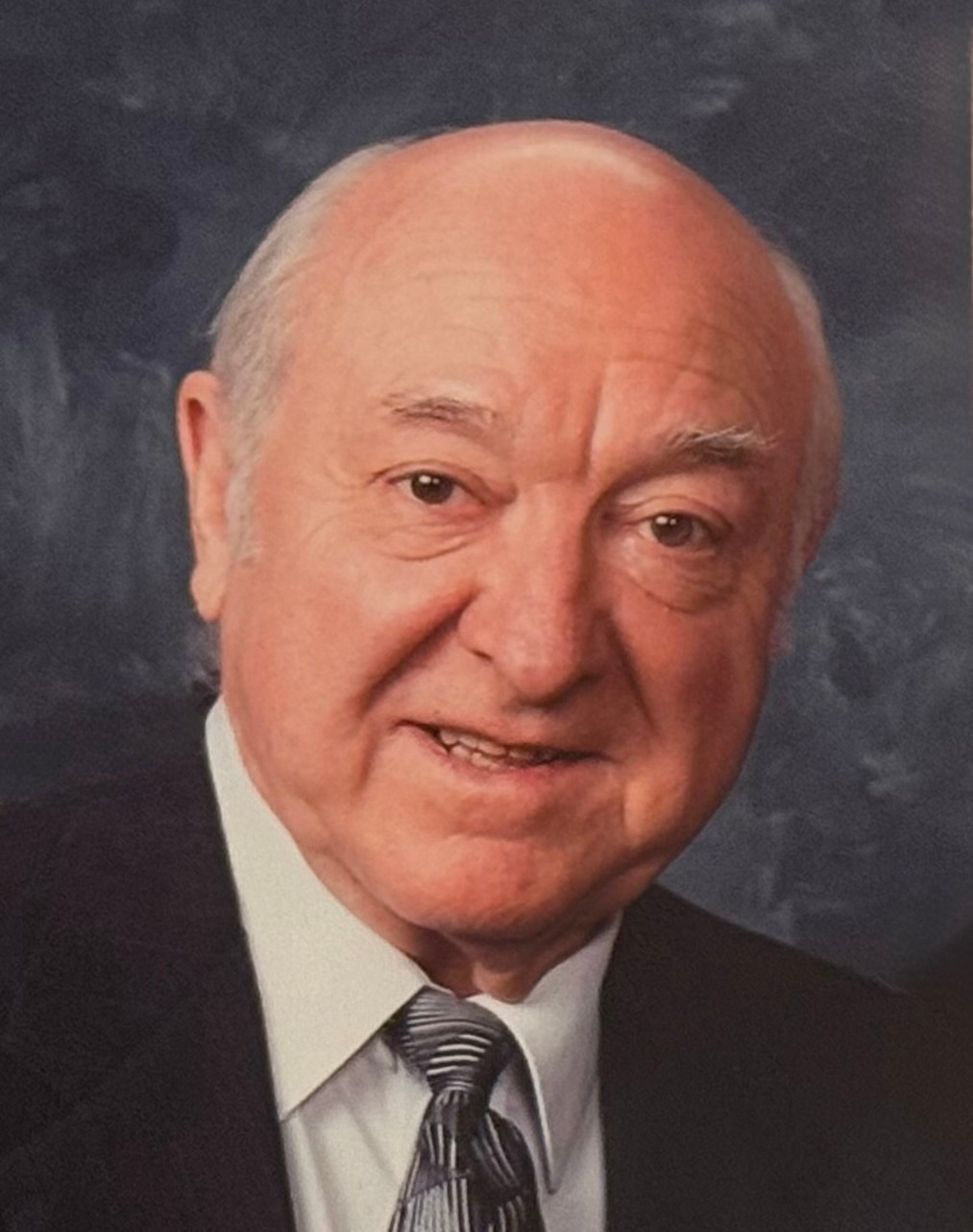
Tributes Flow for Richard Waller, Beloved Father and Engineer

Owner Discovers Dog’s Roundworms After Skipping Preventative Meds

Finn Wolfhard and Stranger Things Cast Tease Adult Film Plans

Rimini Street and Baiya International Group: Investment Comparison

Rachel Campos-Duffy Exits FOX Noticias; Andrea Linares Steps In
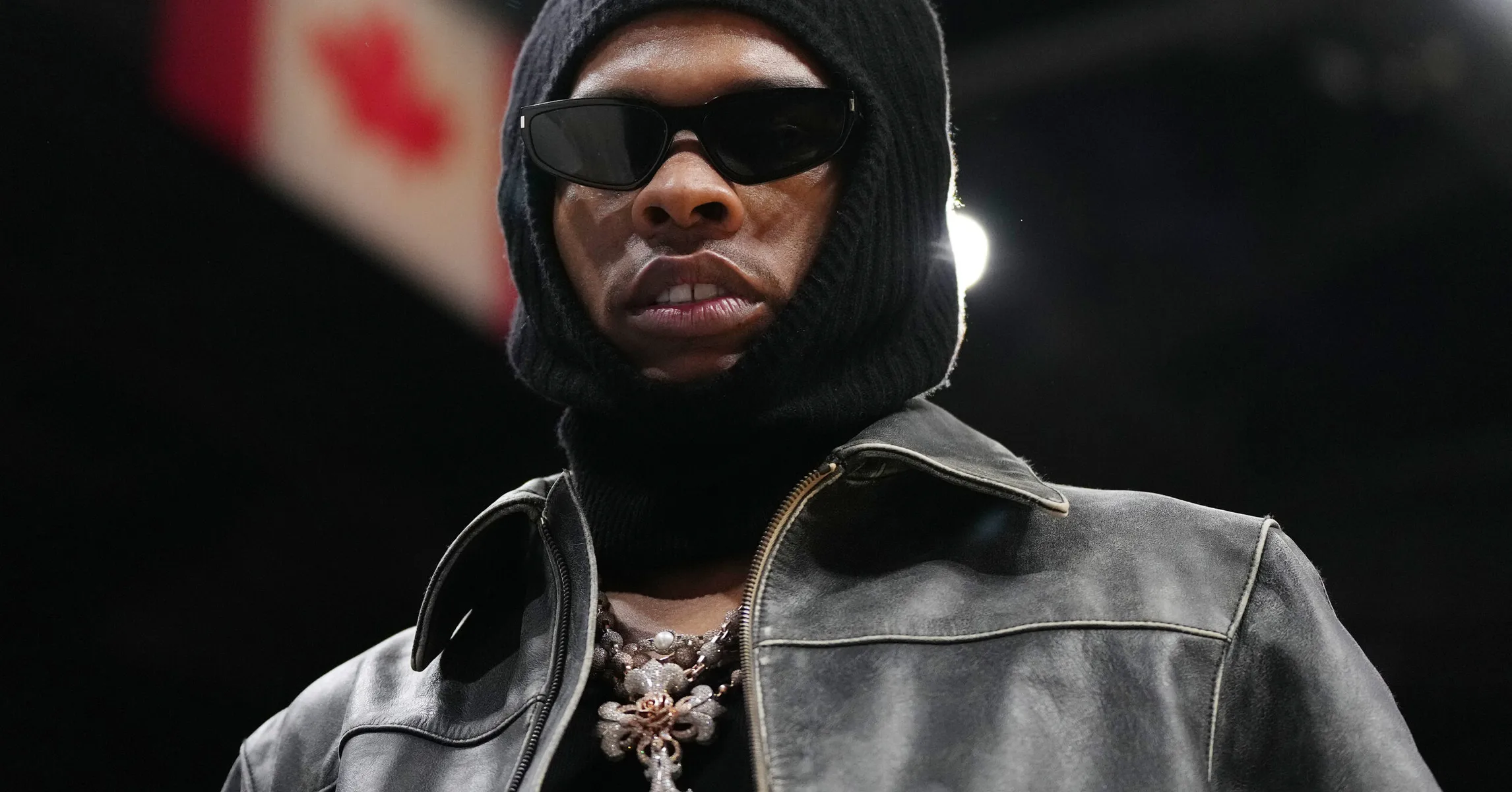
Jayda Cheaves Claims Lil Baby and Ari Fletcher Had an Affair

Piper Rockelle Shatters Record with $2.3M First Day on OnlyFans

Meta’s 2026 AI Policy Sparks Outrage Over Privacy Concerns

Leon Goretzka Considers Barcelona Move as Transfer Window Approaches
-
Top Stories1 month ago
Rachel Campos-Duffy Exits FOX Noticias; Andrea Linares Steps In
-
Entertainment12 hours ago
Jayda Cheaves Claims Lil Baby and Ari Fletcher Had an Affair
-
Top Stories2 weeks ago
Piper Rockelle Shatters Record with $2.3M First Day on OnlyFans
-
Top Stories2 weeks ago
Meta’s 2026 AI Policy Sparks Outrage Over Privacy Concerns
-
Sports2 weeks ago
Leon Goretzka Considers Barcelona Move as Transfer Window Approaches
-
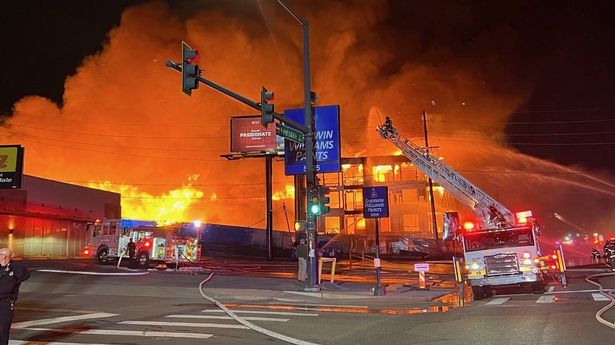 Top Stories2 weeks ago
Urgent Update: Denver Fire Forces Mass Evacuations, 100+ Firefighters Battling Blaze
-
 Health2 months ago
Terry Bradshaw Updates Fans on Health After Absence from FOX NFL Sunday
-
 Sports1 week ago
South Carolina Faces Arkansas in Key Women’s Basketball Clash
-
 Top Stories2 weeks ago
OnlyFans Creator Lily Phillips Reconnects with Faith in Rebaptism
-
 Top Stories1 week ago
CBS Officially Renames Yellowstone Spin-off to Marshals
-
 Top Stories2 weeks ago
Oregon Pilot and Three Niece Die in Arizona Helicopter Crash
-
 Entertainment2 weeks ago
Tom Brady Signals Disinterest in Alix Earle Over Privacy Concerns