
Politics
Canada and China Forge New Trade Alliance Amid Changing Dynamics

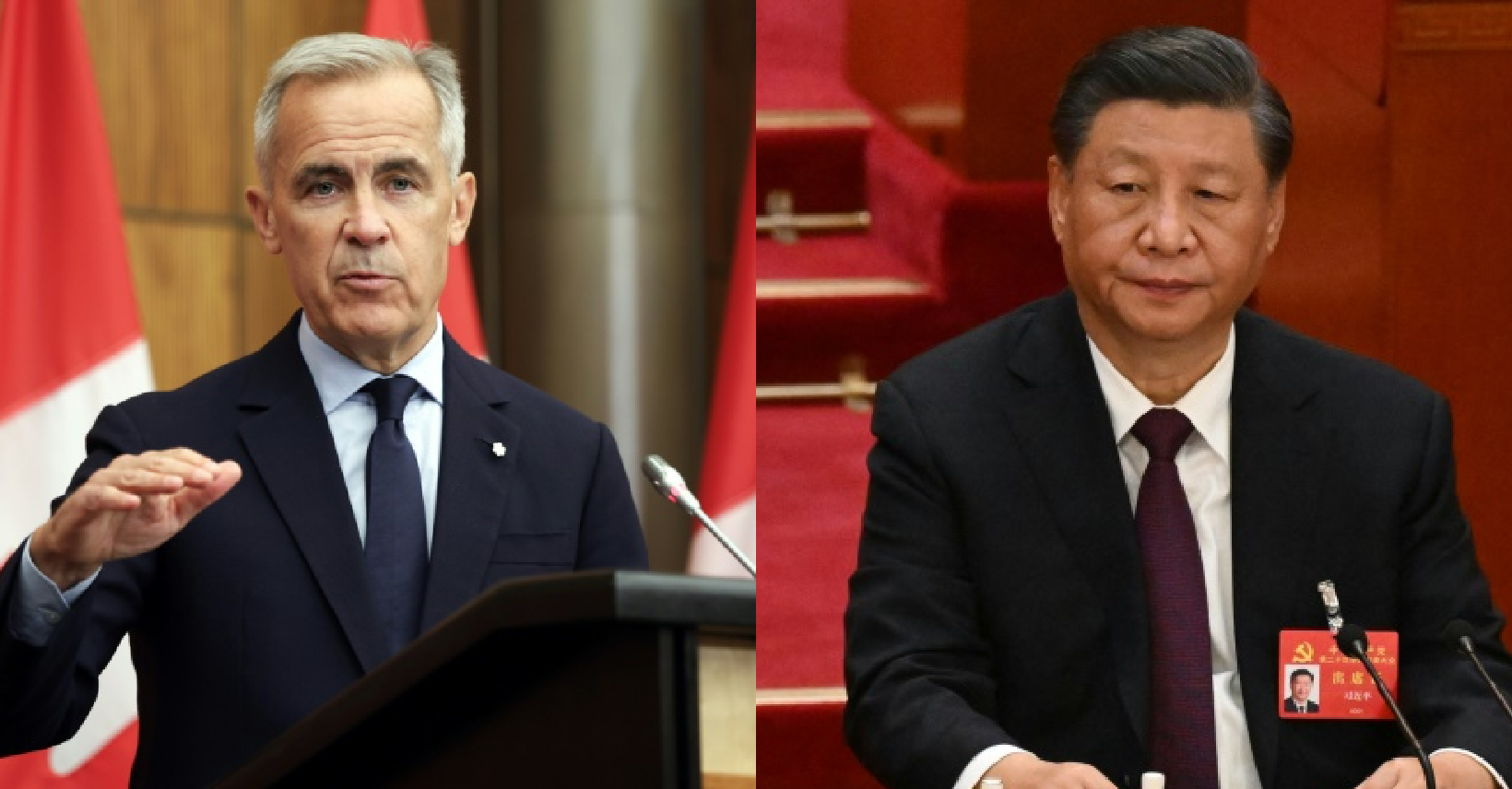
In a notable development in international trade, Canada and China have entered into a comprehensive energy and trade cooperation agreement. This deal was announced during the four-day visit of Canadian Prime Minister Mark Carney to Beijing, marking the first visit by a Canadian leader since 2017, shortly after the imposition of tariffs by former U.S. President Donald Trump. The agreement signifies a strategic pivot for Canada as it seeks to diversify its trade relationships in response to ongoing tensions with the United States.
At the core of this agreement is a new energy cooperation framework aimed at enhancing commercial and policy engagement between Ottawa and Beijing. Both countries committed to holding regular ministerial-level energy dialogues every 12 to 18 months. These discussions will focus on cooperation in traditional energy sectors as well as low-carbon technologies, including renewable energy, oil and gas trade, and climate innovation. This structured dialogue is expected to create stable platforms for collaboration in an increasingly volatile global energy market.
Broadening Trade Relations
During his visit, Prime Minister Carney and Chinese leaders also signed multiple memorandums of understanding (MOUs) that encompass a wide range of sectors, from forestry and food safety to cultural exchange and crime prevention. Carney emphasized that energy cooperation serves as a “pillar” of this renewed strategic partnership, highlighting the potential for job creation and investment opportunities on both sides of the Pacific.
Chinese President Xi Jinping remarked that relations between Canada and China have significantly improved following the APEC summit held in South Korea in October. At this summit, Xi personally invited Carney to China, a notable shift after several years of strained relations under Carney’s predecessor, Justin Trudeau. The recent agreement indicates a thawing of hostilities, as Canada seeks to reduce its economic dependence on the United States, particularly after Trump’s tariffs and controversial comments regarding Canadian sovereignty.
A key economic aspect of Carney’s visit involved a new trade and tariff framework between Canada and China. Canada announced significant reductions in its tariff regime, notably lowering the duty on Chinese electric vehicles (EVs) from an effective rate of approximately 100% to a most-favoured-nation (MFN) rate of 6.1% for up to 49,000 vehicles annually, with plans to increase this quota to about 70,000 vehicles over five years.
In exchange, China has significantly reduced tariffs on Canadian agricultural exports, including a decrease of duties on canola seed from roughly 84% to about 15%, effective March 1, 2026. Additional tariff reductions apply to other agricultural products such as canola meal, lobsters, peas, and crabs. The Canadian government’s official backgrounder on the preliminary trade agreement highlights that these tariff alterations and expanded market access are projected to “significantly improve market access” for Canadian agricultural goods, valued in the billions annually.
As Canada navigates a complex global trade environment, this new agreement with China not only aims to bolster economic ties but also reflects a broader strategy to diversify its export markets. The evolving dynamics between Canada and China may set a precedent for future cooperation, offering both nations new avenues for trade and investment.

Anchorage School District and Educators Reach Tentative Agreement

U.S. Strike Eliminates Al-Qaeda Leader Linked to Deadly Attack

Iranian Cleric Calls for Protesters’ Executions, Threatens Trump and Netanyahu

GBI Investigates Death of Wanted Man in Tattnall County

Jayda Cheaves Claims Lil Baby and Ari Fletcher Had an Affair

Rachel Campos-Duffy Exits FOX Noticias; Andrea Linares Steps In

Piper Rockelle Shatters Record with $2.3M First Day on OnlyFans

Meta’s 2026 AI Policy Sparks Outrage Over Privacy Concerns

Leon Goretzka Considers Barcelona Move as Transfer Window Approaches

Urgent Update: Denver Fire Forces Mass Evacuations, 100+ Firefighters Battling Blaze
-
Top Stories1 month ago
Rachel Campos-Duffy Exits FOX Noticias; Andrea Linares Steps In
-
Top Stories2 weeks ago
Piper Rockelle Shatters Record with $2.3M First Day on OnlyFans
-
Top Stories2 weeks ago
Meta’s 2026 AI Policy Sparks Outrage Over Privacy Concerns
-
Sports2 weeks ago
Leon Goretzka Considers Barcelona Move as Transfer Window Approaches
-
Top Stories2 weeks ago
Urgent Update: Denver Fire Forces Mass Evacuations, 100+ Firefighters Battling Blaze
-
Entertainment3 hours ago
Jayda Cheaves Claims Lil Baby and Ari Fletcher Had an Affair
-
 Health2 months ago
Terry Bradshaw Updates Fans on Health After Absence from FOX NFL Sunday
-
 Sports1 week ago
South Carolina Faces Arkansas in Key Women’s Basketball Clash
-
 Top Stories2 weeks ago
OnlyFans Creator Lily Phillips Reconnects with Faith in Rebaptism
-
 Top Stories1 week ago
CBS Officially Renames Yellowstone Spin-off to Marshals
-
 Top Stories2 weeks ago
Oregon Pilot and Three Niece Die in Arizona Helicopter Crash
-
 Entertainment2 weeks ago
Tom Brady Signals Disinterest in Alix Earle Over Privacy Concerns