
World
Detroit Auto Show Sees Shift Away from Electric Vehicle Focus

The North American International Auto Show in Detroit has shifted its focus away from electric vehicles (EVs) this year, reflecting a broader trend among automakers to scale back ambitious plans for electrification. Once a platform dedicated to promoting consumer confidence in EVs and charging infrastructure, this year’s show reveals a significant retreat from these commitments, influenced in part by political pressures.
Automakers are reconsidering their multibillion-dollar investments in EV technology and infrastructure as the industry grapples with changing market dynamics and regulatory environments. Former President Donald Trump’s anti-EV stance has contributed to a climate of uncertainty, leading many manufacturers to reassess their electric vehicle strategies.
Industry experts express concern that the diminishing focus on electric vehicles in Detroit may hinder the United States’ competitive edge in a sector that is increasingly perceived as the future of the automotive industry. While the U.S. once stood at the forefront of automotive innovation, China is rapidly expanding its lead in the EV market, capitalizing on a more aggressive approach to electric vehicle development and infrastructure.
Declining EV Investment Trends
The retreat from electric vehicle promotion at the auto show is evident in the reduced presence of companies showcasing their latest EV technologies. Major automakers that previously dedicated significant resources to EV development are now diverting their attention to other areas, such as traditional combustion engines and hybrid models. This pivot signals a potential slowdown in the shift toward fully electric fleets, which many had anticipated would accelerate in the coming years.
Financial analysts are closely monitoring these developments, noting that the shift away from EVs could have substantial economic implications. The U.S. automotive industry has historically been a major contributor to the national economy, and a decline in competitiveness in the EV sector could lead to lost jobs and investment opportunities.
Future Implications for the EV Market
As the auto industry navigates this changing landscape, the implications for consumers and the environment are significant. A reduced emphasis on electric vehicles may stifle consumer choice and limit the availability of cleaner transportation options. The Biden administration’s goal of achieving a zero-emissions vehicle fleet by 2035 could be jeopardized if this trend continues.
The pivot away from EVs is not just a matter of corporate strategy; it reflects broader societal attitudes towards electric vehicles. As the global conversation surrounding climate change and environmental responsibility evolves, the automotive industry’s commitment to electrification will be critical in shaping future policies and consumer behaviors.
In conclusion, the North American International Auto Show in Detroit illustrates a crucial moment for the automotive industry. The shift away from electric vehicles amid political and economic pressures raises important questions about the future of transportation in the United States and the competitive landscape against other countries, particularly China.

Anchorage School District and Educators Reach Tentative Agreement
U.S. Strike Eliminates Al-Qaeda Leader Linked to Deadly Attack
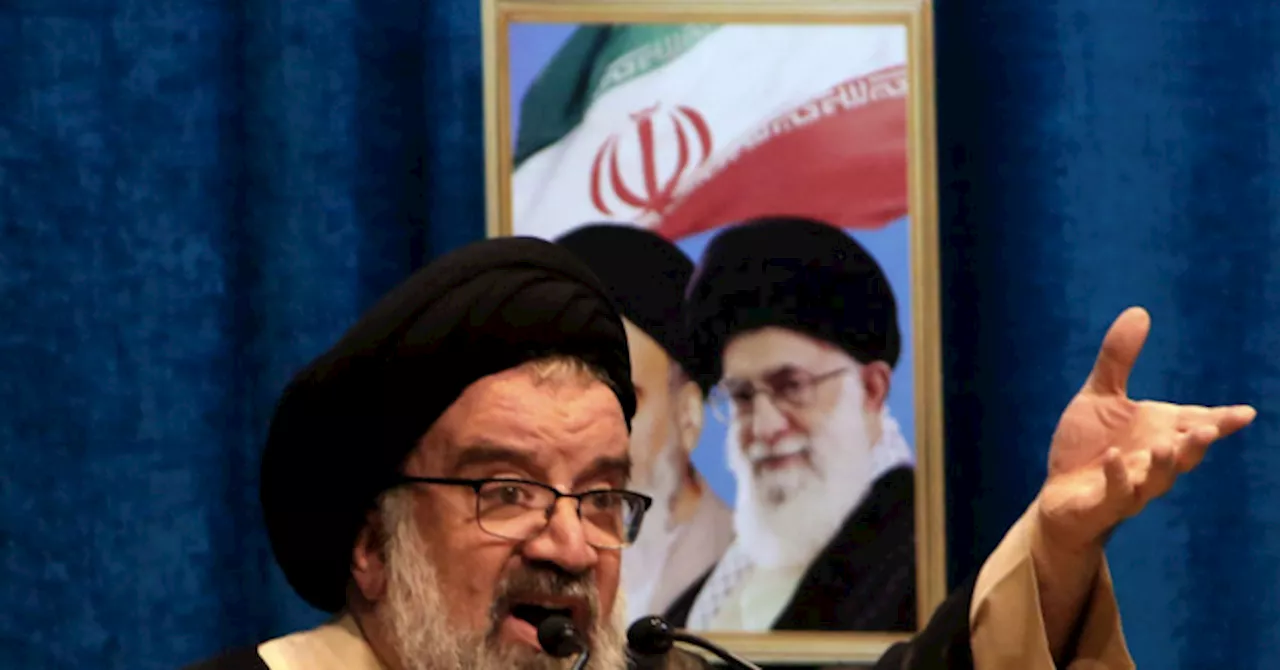
Iranian Cleric Calls for Protesters’ Executions, Threatens Trump and Netanyahu

GBI Investigates Death of Wanted Man in Tattnall County
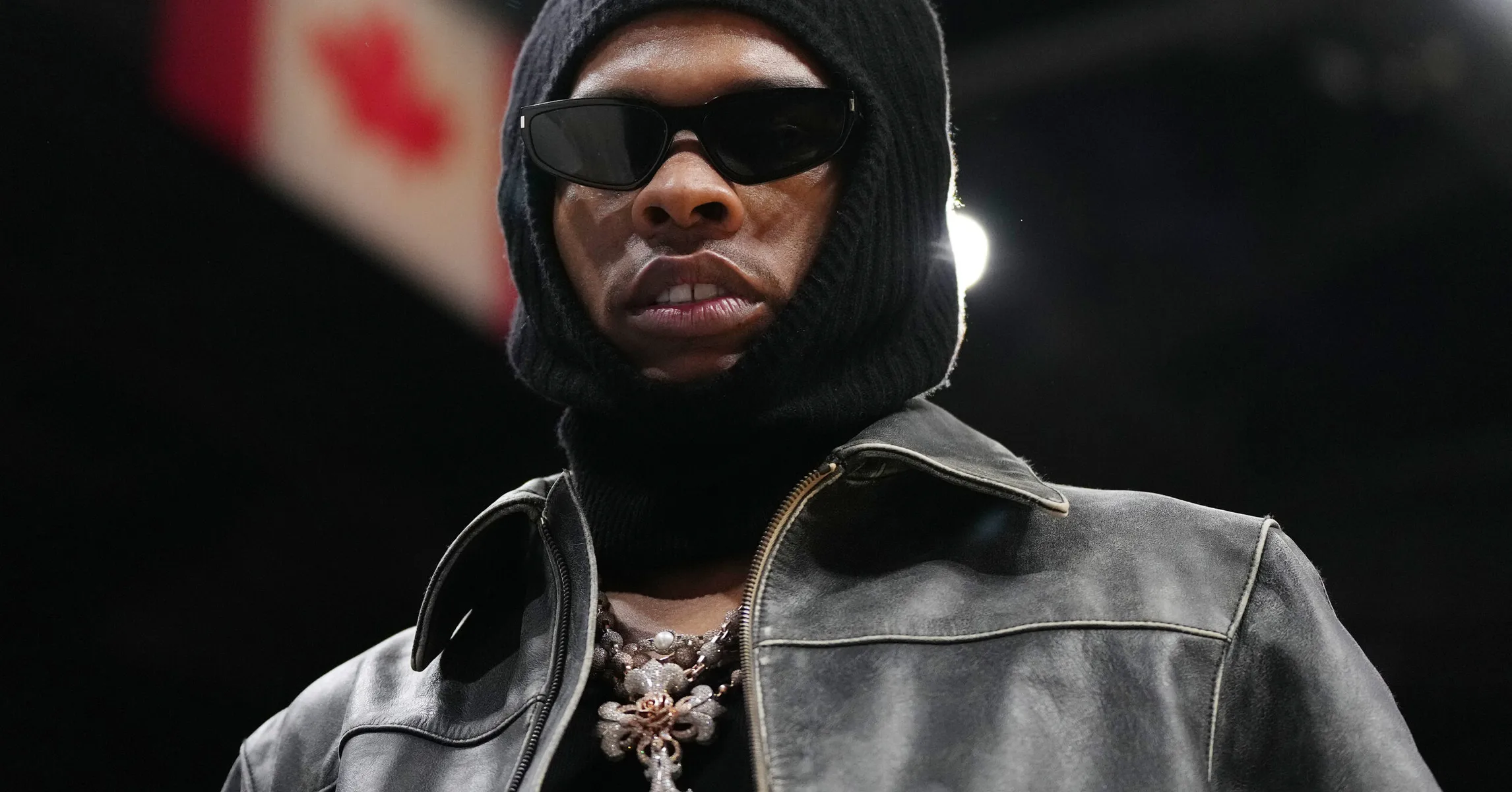
Jayda Cheaves Claims Lil Baby and Ari Fletcher Had an Affair

Rachel Campos-Duffy Exits FOX Noticias; Andrea Linares Steps In

Piper Rockelle Shatters Record with $2.3M First Day on OnlyFans

Meta’s 2026 AI Policy Sparks Outrage Over Privacy Concerns

Leon Goretzka Considers Barcelona Move as Transfer Window Approaches
Jayda Cheaves Claims Lil Baby and Ari Fletcher Had an Affair
-
Top Stories1 month ago
Rachel Campos-Duffy Exits FOX Noticias; Andrea Linares Steps In
-
Top Stories2 weeks ago
Piper Rockelle Shatters Record with $2.3M First Day on OnlyFans
-
Top Stories2 weeks ago
Meta’s 2026 AI Policy Sparks Outrage Over Privacy Concerns
-
Sports2 weeks ago
Leon Goretzka Considers Barcelona Move as Transfer Window Approaches
-
Entertainment4 hours ago
Jayda Cheaves Claims Lil Baby and Ari Fletcher Had an Affair
-
 Top Stories2 weeks ago
Urgent Update: Denver Fire Forces Mass Evacuations, 100+ Firefighters Battling Blaze
-
 Health2 months ago
Terry Bradshaw Updates Fans on Health After Absence from FOX NFL Sunday
-
 Sports1 week ago
South Carolina Faces Arkansas in Key Women’s Basketball Clash
-
 Top Stories2 weeks ago
OnlyFans Creator Lily Phillips Reconnects with Faith in Rebaptism
-
 Top Stories1 week ago
CBS Officially Renames Yellowstone Spin-off to Marshals
-
 Top Stories2 weeks ago
Oregon Pilot and Three Niece Die in Arizona Helicopter Crash
-
 Entertainment2 weeks ago
Tom Brady Signals Disinterest in Alix Earle Over Privacy Concerns