
World
Space Force Partners with Slingshot for Advanced AI Training


The U.S. Space Force has awarded a significant contract to Slingshot Aerospace, amounting to $27 million, aimed at enhancing the training of its personnel, known as Guardians. This initiative involves the integration of the company’s advanced TALOS AI technology, which simulates adversarial actions during orbital warfare training scenarios. The objective is to create a more realistic and dynamic training environment that adapts to various combat situations in space.
According to Slingshot, the TALOS AI is designed to respond in a realistic manner, adapting to the trainees’ strategies rather than adhering to a fixed script. This flexibility is crucial given the evolving nature of the space domain. Tim Solms, CEO of Slingshot, emphasized the technology’s capacity to incorporate new algorithms and tools as they become available, enhancing its effectiveness in training simulations.
Comprehensive Training Tools for Space Operations
In addition to the TALOS AI, Slingshot will provide software tools to simulate friendly forces, known as “Blue” forces, and to function as virtual referees, referred to as “White” forces. The contract, structured as an 18-month agreement, was awarded through a streamlined procurement process known as the Space Force Commercial Solutions Opening (CSO), which has gained traction within the Defense Innovation Unit.
This latest contract builds upon a previous $25 million award from 2022, which allowed the Space Training and Readiness Command to test the capabilities of the TALOS system. Solms noted that the current agreement is part of a broader system-of-systems integration program designed to support the Space Force’s Operational Test and Training Infrastructure (OTTI).
“Our goal is to integrate industry-proven Red/White/Blue cell tools into a single solution, providing Guardians with the ability to train in realistic, high-stakes scenarios,” Solms explained. TALOS will serve as the “thinking adversary,” while various blue cell tools will be integrated into a classified training environment to facilitate scenario development and management.
Innovative AI Technology for Space Training
Slingshot launched the TALOS system in July 2025, with the intent of mimicking the behavior of satellites in orbit for training purposes. The AI is trained on an extensive dataset of real-world orbital observations, which enables it to learn and adapt as the orbital environment changes. The company’s ability to track approximately 95% of all payload-sized objects across various orbital regimes provides TALOS with a robust foundation for its simulations.
Solms highlighted the significance of the data gathered, stating, “The resulting dataset represents the largest corpus of commercially available astrometric and photometric data today.” This wealth of information is further enhanced by the derived data products, including event detections and behavior patterns, which contribute to the AI’s capabilities.
The collaboration between the Space Force and Slingshot Aerospace signifies a critical step in modernizing military training through the integration of cutting-edge technology. As the space landscape continues to evolve, the importance of realistic training environments becomes increasingly paramount.

Image Scan Holdings Shares Rise, Surpassing 50-Day Average
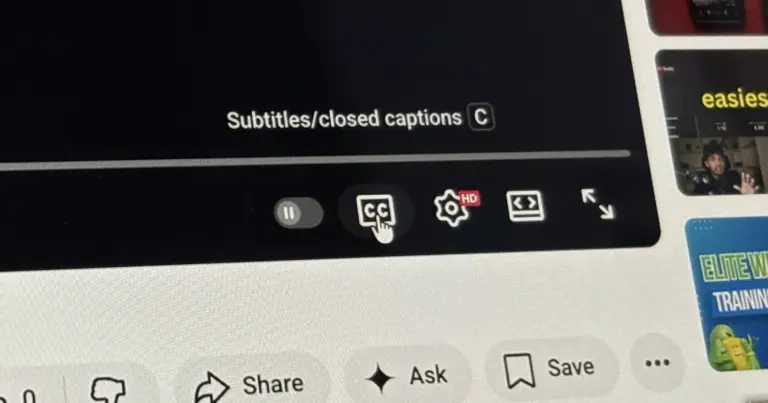
YouTube Users Report Disabling of Custom SRV3 Subtitles

Invesco Municipal Income Trust Reports Major Drop in Short Interest

Seahawks Crush 49ers 41-6, Advance to NFC Championship Game

Bayou Mardi Gras Parade Thrills New Iberia with High-Fives and Joy

Rachel Campos-Duffy Exits FOX Noticias; Andrea Linares Steps In
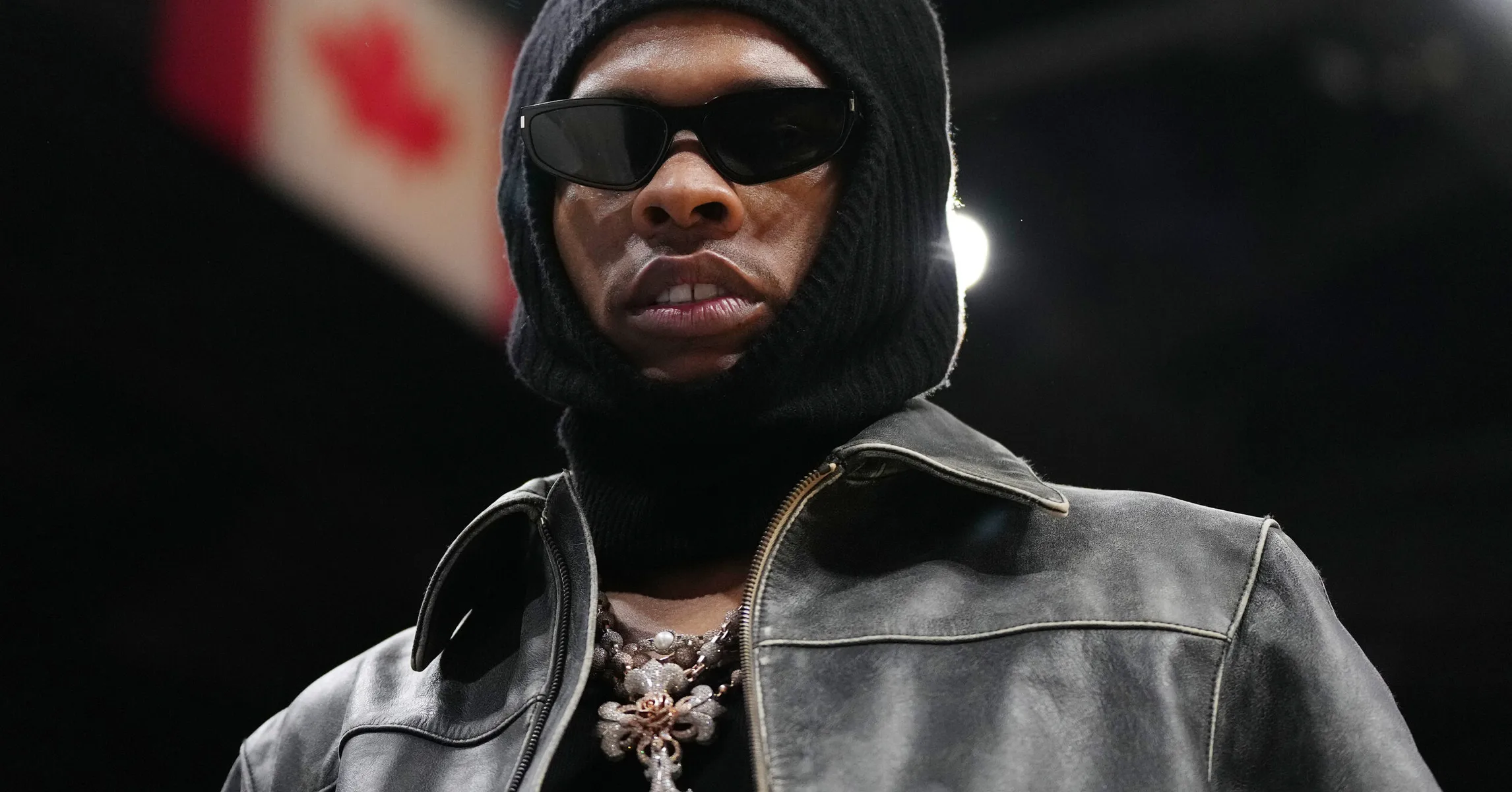
Jayda Cheaves Claims Lil Baby and Ari Fletcher Had an Affair

Piper Rockelle Shatters Record with $2.3M First Day on OnlyFans

Meta’s 2026 AI Policy Sparks Outrage Over Privacy Concerns

Leon Goretzka Considers Barcelona Move as Transfer Window Approaches
-
Top Stories1 month ago
Rachel Campos-Duffy Exits FOX Noticias; Andrea Linares Steps In
-
Entertainment9 hours ago
Jayda Cheaves Claims Lil Baby and Ari Fletcher Had an Affair
-
Top Stories2 weeks ago
Piper Rockelle Shatters Record with $2.3M First Day on OnlyFans
-
Top Stories2 weeks ago
Meta’s 2026 AI Policy Sparks Outrage Over Privacy Concerns
-
Sports2 weeks ago
Leon Goretzka Considers Barcelona Move as Transfer Window Approaches
-
 Top Stories2 weeks ago
Urgent Update: Denver Fire Forces Mass Evacuations, 100+ Firefighters Battling Blaze
-
 Health2 months ago
Terry Bradshaw Updates Fans on Health After Absence from FOX NFL Sunday
-
 Sports1 week ago
South Carolina Faces Arkansas in Key Women’s Basketball Clash
-
 Top Stories2 weeks ago
OnlyFans Creator Lily Phillips Reconnects with Faith in Rebaptism
-
 Top Stories1 week ago
CBS Officially Renames Yellowstone Spin-off to Marshals
-
 Top Stories2 weeks ago
Oregon Pilot and Three Niece Die in Arizona Helicopter Crash
-
 Entertainment2 weeks ago
Tom Brady Signals Disinterest in Alix Earle Over Privacy Concerns