
Business
Tariff Impact Looms as Trump Faces Tough Choices Ahead of 2026

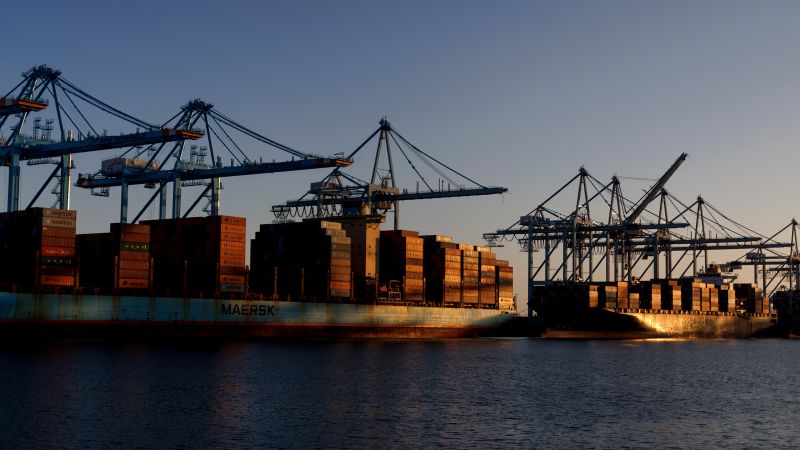
President Donald Trump is facing critical decisions regarding tariffs as the potential for significant price increases looms in 2026. In 2025, the United States collected an additional $187 billion in tariff revenue compared to the previous year, marking a nearly 200% increase. While these tariffs did not drastically impact the cost of living in 2025, experts warn that consumers may soon feel the effects as businesses begin to pass on these costs.
According to JPMorgan, approximately 80% of the tariff burden was initially absorbed by businesses. However, this figure is expected to shift dramatically, with projections indicating that only 20% may be borne by businesses by the end of 2026. Kyle Peacock, a principal at Peacock Tariff Consulting, noted that many businesses initially refrained from passing costs onto consumers but are now compelled to adjust pricing strategies.
As the New Year commences, some businesses have already implemented price increases, while others are strategizing on when to make adjustments. Items with thin profit margins, such as groceries, are likely to be among the first to see price hikes. This situation puts Trump in a challenging position ahead of the midterm elections, where he must decide whether to maintain his tariff policies or ease them to provide relief to consumers grappling with inflation.
The tariffs, which have fluctuated dramatically, began at rates as high as 145% on goods imported from China. Many businesses built extensive inventory stockpiles to mitigate the impact of these tariffs in the previous year. As these stockpiles diminish, companies are forced to procure goods at the higher tariff rates, which they can only absorb for so long. Peacock emphasized that businesses will not increase prices to match the tariffs entirely, given the current economic climate.
Inflation has taken a toll on consumers, with wages growing at a slower pace than in previous years. This has left businesses with limited room to raise prices without risking competitiveness. A report from Goldman Sachs estimated that tariffs contributed to a 0.5% increase in inflation in 2025, correlating with statements from Federal Reserve Chair Jerome Powell indicating that tariffs were responsible for pushing inflation above the central bank’s target of 2%. The year ended with inflation at 2.7%.
The variation in price increases will largely depend on the product category. Grocery suppliers, operating with narrow profit margins, face unique challenges in absorbing tariff costs. Many have struggled to determine the appropriate pricing strategy due to the complex nature of tariff rates, which vary by product and country of origin. One major grocery supplier, who requested anonymity, opted to apply an average tariff rate across all products to simplify their pricing.
A pivotal factor that may influence future pricing is an ongoing Supreme Court case challenging the legality of Trump’s extensive tariff policies. As of December 14, US Customs and Border Protection data indicated that these tariffs had generated $130 billion in revenue. Should the Supreme Court rule against the Trump administration, businesses could potentially receive refunds on tariffs already paid, which would drastically alter the landscape for pricing strategies.
Despite the uncertainty, the Trump administration has hinted at the possibility of imposing additional tariffs if the Supreme Court rules unfavorably. This comes amidst growing affordability concerns that have begun to erode Trump’s favorability among voters. Recently, he has backed off several proposed tariffs on various products, including produce, furniture, and pasta, as part of an effort to mitigate the financial burden on consumers.
Historically, Trump has shown a tendency to reverse tariff threats when faced with political pressure. On April 2, branded “Liberation Day,” he showcased plans for significant tariffs which ultimately did not materialize due to concerns over their impact on the cost of living. The administration has previously implemented exemptions and carveouts on many products to alleviate the financial strain on American consumers.
As the situation evolves, the decisions made by businesses and the government will play a crucial role in determining the economic landscape for 2026 and beyond. With the upcoming Supreme Court ruling and the ongoing implications of existing tariffs, consumers and businesses alike will need to brace for potential changes that could shape their financial realities in the near future.












Traeger (NYSE:COOK) has received a negative assessment from Zacks Research, which downgraded the company’s stock rating from “hold” to “strong sell.” This decision came in a report released on November 6, 2023. The downgrade reflects ongoing concerns about the company’s financial performance and future outlook.
Recent Analyst Ratings and Stock Performance
In the wake of Zacks Research’s downgrade, other analysts have also revised their ratings for Traeger. Wall Street Zen upgraded the stock from “sell” to “hold” just days prior, on November 8. Conversely, Weiss Ratings reaffirmed a “sell (d-)” rating on December 29, indicating persistent skepticism about Traeger’s viability.
Additionally, Telsey Advisory Group adjusted their price target for Traeger, reducing it from $1.75 to $1.50 while maintaining a “market perform” rating. In a broader analysis, one analyst has rated the stock as a Buy, five have issued Hold ratings, and three have classified it as a Sell. According to MarketBeat, Traeger currently holds an average rating of “Reduce” with a consensus price target of $2.09.
Quarterly Earnings Report Highlights
Traeger’s recent financial results have further fueled these downgrades. The company reported its quarterly earnings on November 6, revealing a loss of $0.17 per share, which was significantly below the consensus estimate of ($0.03). The firm also reported a negative return on equity of 11.31% and a net margin of 18.01%. Despite these challenges, Traeger generated revenue of $125.4 million, surpassing the expected $111.04 million.
Looking ahead, analysts predict that Traeger will post an earnings per share of ($0.12) for the current fiscal year, suggesting that significant hurdles remain for the company.
Institutional Investment Trends
Recent trends among institutional investors reveal a mix of strategies regarding Traeger’s stock. Norden Group LLC increased its holdings by 27.2% in the second quarter, now owning 23,350 shares valued at approximately $40,000. Similarly, Bank of America Corp DE bolstered its position by 36.6% in the fourth quarter, now holding 33,314 shares worth around $80,000.
Other notable investments include Diversify Wealth Management LLC, which raised its stake by 9.8% to 125,755 shares valued at $153,000, and Empowered Funds LLC, increasing its holdings by 9.3% to 167,696 shares worth $282,000. Currently, institutional investors own approximately 46.84% of Traeger’s stock.
About Traeger
Founded in 1985 by Joe Traeger, the company is renowned for its innovative wood pellet grills and outdoor cooking appliances. Traeger’s product line includes a variety of hardwood-pellet grills equipped with digital temperature control, catering to both consumer and light-commercial markets. In addition to grills, the brand offers a range of accessories such as grill covers, smoking woods, meat probes, and recipe rubs, enhancing the outdoor cooking experience.
As Traeger navigates a challenging market environment, the recent ratings and financial results underscore the need for strategic adjustments to regain investor confidence and improve overall performance.

New Balance has announced the restock of its highly sought-after 1906L sneaker loafer, which quickly sold out during its initial release. The sneaker loafer is now available in five colors—Black, Monarch Burgundy, Bisque, Ice Wine with Pink Taffy, and Woodland—with a sixth color expected to launch soon. Priced at $160 per pair, the 1906L combines the comfort of a sneaker with the classic aesthetic of a loafer.
This innovative design allows wearers to incorporate sneakers into a more formal wardrobe, making it suitable for office settings without compromising on comfort. The 1906L features a breathable open-holed mesh leather upper complemented by synthetic overlays. To enhance the wearing experience, it is equipped with an N-ergy outsole that absorbs impacts and cushioned pods at the heel for added support.
Expanded Size Availability and Membership Benefits
The 1906L sneaker loafer is available in both men’s and women’s sizes, providing options for a wide range of consumers. New Balance members can take advantage of free shipping on their orders, along with additional perks such as free returns, exclusive offers, and early access to new products. Interested shoppers can sign up for a free membership online.
In addition to the 1906L, New Balance has various other sneaker styles on sale, including the Fresh Foam X 1080v14 for $130 (originally $165), the 327 for $85 (down from $105), and several other popular models, which are available at discounted prices.
As consumers seek both functionality and style in their footwear choices, the restocking of the 1906L sneaker loafer is likely to attract significant interest. The blend of casual comfort with a polished look makes it a versatile choice for various occasions, whether at work or out and about.
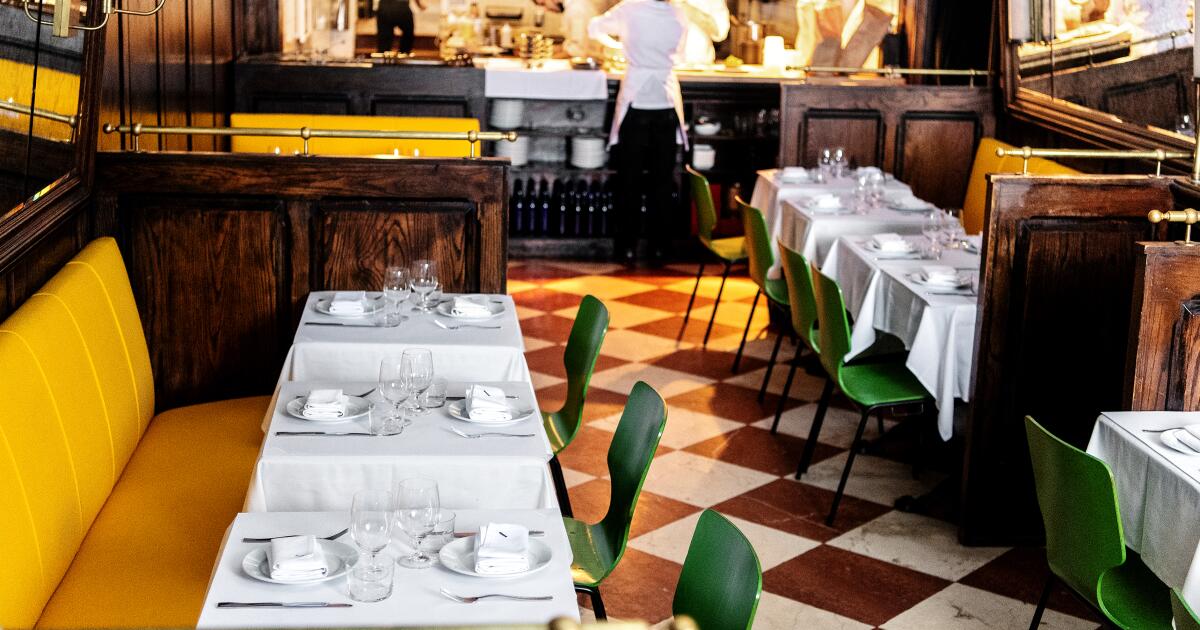
The celebrated restaurant Horses in West Hollywood has closed indefinitely, leaving many guests with canceled reservations and raising questions about its future. This decision comes shortly after the establishment was embroiled in controversy related to the divorce of its co-owners, which included serious allegations of animal abuse and domestic violence. The closure, announced at the end of December 2023, cited necessary building maintenance as the reason.
Customers who had planned to dine at Horses for late December or early January received notifications cancelling their reservations. According to the text message from the restaurant staff, the decision to close was made due to “unexpected structural issues” caused by heavy rainfall. The message emphasized the priority of safety for both guests and staff, stating, “We’ve made the difficult decision to close for service tomorrow out of an abundance of caution.” The message concluded with a commitment to inform guests once a reopening date is confirmed.
Executive chef Brittany Ha confirmed the closure to the Los Angeles Times, stating that while reopening remains a goal, “nothing is for certain yet.”
Horses’ Impact on L.A. Dining Scene
Since its launch in September 2021, Horses became a significant player in the L.A. dining landscape, attracting a stylish clientele with its seasonal California cuisine infused with European influences. Bill Addison, a food critic for the Los Angeles Times, described it as “a new modern L.A. institution” and highlighted it as “the city’s most exhilarating new dining experience in the last year.” Additionally, the restaurant earned recognition in the prestigious Michelin Guide and maintained a long waitlist for reservations, even drawing celebrity patrons.
The restaurant’s unique co-chef system featured four chefs, including founding members Liz Johnson and Will Aghajanian. However, their divorce, which unfolded publicly, brought significant scrutiny. The proceedings included allegations from Johnson of repeated assaults and claims of animal cruelty against their family pets by Aghajanian, who has labeled these accusations as “false allegations.”
Despite the turmoil surrounding its founders, Horses continued to attract customers through December 2023. Aghajanian departed the restaurant in late 2022, while Johnson remained until shifting focus to a New York City venture that has since closed. Ha, along with fellow co-chef Lee Pallerino, took over the kitchen, continuing to serve popular dishes like the endive Caesar and signature burger, while also introducing new items to the menu.
Uncertain Future and Local Reactions
The abrupt closure has left many in the community questioning whether Horses will reopen. Ha has not publicly elaborated on the reasons for the closure but indicated to local publication L.A. Taco that it was “due to protect staff from further damage.” Reports from multiple staff members suggest uncertainty about the restaurant’s future operations.
Horses’ closure adds to a troubling trend in the restaurant industry, which has seen over 100 major restaurant closures in Los Angeles throughout the past year. As the culinary landscape continues to evolve, the fate of Horses remains a poignant reminder of the challenges facing both businesses and their leaders amidst personal and professional turmoil.
Investors are closely examining the stock performance of two mid-cap retail companies: Boot Barn Holdings, Inc. and MINISO Group Holding Limited. Both companies offer distinct product lines and growth strategies, prompting a detailed comparison of their earnings, risk factors, valuation metrics, and investor sentiments.
Risk and Volatility Analysis
Boot Barn exhibits a beta of 1.61, indicating that its stock is 61% more volatile than the S&P 500. This heightened risk may appeal to investors seeking potential high returns, but it also raises concerns about price fluctuations. In stark contrast, MINISO Group has a beta of 0.09, suggesting that its stock is 91% less volatile than the market benchmark. This lower volatility may attract investors looking for stability.
Earnings and Valuation Metrics
In terms of financial performance, MINISO Group outpaces Boot Barn in several key areas. The Chinese retailer reports higher revenue and earnings per share, making it a strong competitor in the retail space. Furthermore, MINISO Group boasts a lower price-to-earnings ratio compared to Boot Barn, indicating that it may represent a more affordable investment option currently.
Institutional ownership also plays a significant role in investment decisions. Approximately 17.2% of MINISO Group’s shares are held by institutional investors, a sign of confidence in its long-term performance. Conversely, Boot Barn has only 0.7% of its shares owned by insiders, while MINISO Group enjoys a substantial 73.5% insider ownership, reflecting strong belief in its growth prospects among company executives.
Dividends are another critical aspect for investors. Boot Barn offers an annual dividend of $0.50 per share, resulting in a dividend yield of 0.3%. On the other hand, MINISO Group pays out an annual dividend of $0.56 per share, yielding 2.9%. The payout ratio for Boot Barn stands at 7.4%, while MINISO Group has a significantly higher payout ratio of 57.7%. Both companies maintain healthy payout ratios, indicating they can sustain dividend payments with future earnings.
Analysts are also leaning towards MINISO Group in their recommendations. Boot Barn’s consensus price target is $198.00, suggesting a potential upside of 2.47%. In contrast, MINISO Group’s price target is set at $25.13, reflecting a potential upside of 28.42%. This stronger consensus rating for MINISO Group may signal to investors that it is the more favorable stock at this time.
Profitability Comparison
A detailed look at profitability shows that MINISO Group excels in many metrics, including net margins and returns on equity and assets. This suggests that the company is effectively managing costs and generating higher returns on investments compared to Boot Barn.
In summary, MINISO Group outshines Boot Barn in nine out of sixteen factors compared across various metrics. The analysis indicates that while both companies have their strengths, MINISO Group presents a more compelling investment opportunity based on current data.
Boot Barn Holdings, Inc., founded in 1978 and based in Irvine, California, operates specialty retail stores that offer a range of western and work-related footwear and apparel. Its products are also available online through various e-commerce platforms.
Conversely, MINISO Group, established in 2013 and headquartered in Guangzhou, China, specializes in lifestyle products and toys. The company’s diverse offerings range from home decor to personal care items, showcasing its appeal across multiple consumer categories.
Investors interested in the retail sector should continue to monitor the performance of both Boot Barn and MINISO Group as they navigate their respective markets.

Nuggets Rally to Beat Celtics 114-110, Ending Boston’s Streak

Ford Accelerates Self-Driving Tech Development In-House by 2028

UNC Asheville Dominates Longwood with 72-61 Victory

Cade Cunningham OUT for Pistons vs. Bulls: Wrist Injury Strikes

NASA Postpones Spacewalk Amid Medical Concern for Astronaut

Piper Rockelle Shatters Record with $2.3M First Day on OnlyFans

Meta’s 2026 AI Policy Sparks Outrage Over Privacy Concerns

Urgent Update: Denver Fire Forces Mass Evacuations, 100+ Firefighters Battling Blaze

Oregon Pilot and Three Niece Die in Arizona Helicopter Crash

Tragedy in Crans-Montana: Fire Claims Lives of Holiday Revelers
-
Top Stories6 days ago
Piper Rockelle Shatters Record with $2.3M First Day on OnlyFans
-
 Top Stories2 days ago
Meta’s 2026 AI Policy Sparks Outrage Over Privacy Concerns
-
Top Stories5 days ago
Urgent Update: Denver Fire Forces Mass Evacuations, 100+ Firefighters Battling Blaze
-
Top Stories3 days ago
Oregon Pilot and Three Niece Die in Arizona Helicopter Crash
-
World6 days ago
Tragedy in Crans-Montana: Fire Claims Lives of Holiday Revelers
-

 Entertainment2 days ago
Tom Brady Signals Disinterest in Alix Earle Over Privacy Concerns
-
 Top Stories6 days ago
OnlyFans Creator Lily Phillips Reconnects with Faith in Rebaptism
-

 Sports1 day ago
Leon Goretzka Considers Barcelona Move as Transfer Window Approaches
-
 Entertainment6 days ago
Ice-T and Coco Celebrate 25 Years Together in Love and Laughter
-
 World7 days ago
Fire Claims Lives at New Year’s Party in Swiss Ski Resort
-
 Technology6 days ago
Major Space Missions Set to Transform Exploration in 2026
-

 Top Stories1 day ago
Warnock Joins Buddhist Monks on Urgent 2,300-Mile Peace Walk