
World
Unmanned Systems Essential for NATO’s Arctic Maritime Defense

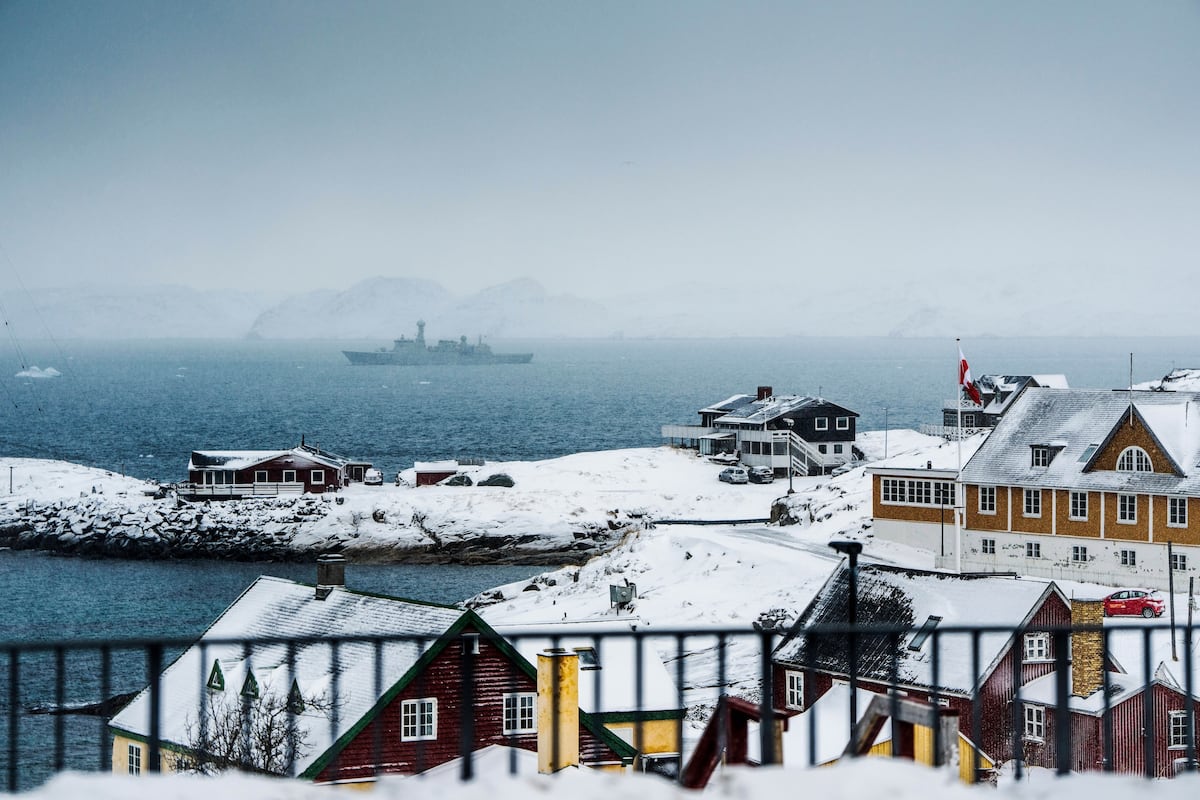
Unmanned vehicles capable of enduring harsh weather conditions are crucial for maintaining NATO’s strategic advantage in the Arctic, according to experts from the Center for European Policy Analysis (CEPA). During a briefing on January 22, 2023, they emphasized that the region is becoming increasingly contested, with rising incursions from Russian and Chinese vessels exerting pressure on NATO forces.
Lance K. Landrum, a senior fellow at CEPA, moderated the discussion and highlighted the dual nature of the threats faced. He stated, “We could look at it from the sense of, ‘This is a major force-on-force war’ with amphibious assaults and all-domain force-on-force warfare — or we can look at it in the sense of hybrid malign influence and a slow burn of just leaning on the alliance and creating a new norm.”
Jan Kallberg, another senior fellow at CEPA specializing in transatlantic defense and security, noted that while direct ground threats appear limited due to the Arctic’s extreme conditions, maritime threats remain significant. “I don’t think there is an imminent ground threat unless they use some of the regular ground forces further up north, which might be tricky,” Kallberg explained. He pointed to the risk posed by naval operations, particularly the potential targeting of undersea cables, referencing previous incidents of sabotage in the Baltic Sea.
The unique and rugged environment of the Arctic presents challenges for autonomous systems, yet these unmanned vehicles are deemed vital for ensuring persistent surveillance and defense in the region. Maj. Gen. Gordon Davis stated, “Uncrewed systems matter in the High North not because they’re revolutionary but because they enable persistence where continuous human presence is really impractical.”
Kallberg further elaborated on the tactical advantages of maritime drones. He indicated that these systems could significantly enhance intelligence gathering, data acquisition, and operational decision-making. “With drones, what I find really important in a tactical application, is the drones themselves would create a lot of benefits when it comes to intelligence, getting data, answering questions, directing where to strike,” he said.
The Arctic’s geopolitical landscape is shifting rapidly, with some military analysts forecasting potential conflict in the region. Danish military officials have expressed concerns that the High North could see an escalation in tensions, particularly following incidents last summer when Chinese vessels prompted a response from the U.S. Coast Guard. Additionally, a landmark joint exercise involving the U.S. Air Force and Norwegian Armed Forces simulated a B-2 stealth bomber strike on a surface vessel, underscoring the military’s focus on readiness in the Arctic.
As the Arctic continues to become a focal point for international security, the role of unmanned systems will likely expand. Their ability to operate effectively in extreme conditions positions them as a key component in NATO’s maritime defense strategy, ensuring that the alliance remains vigilant and responsive to emerging threats in this increasingly strategic region.

Giannis Antetokounmpo Joins Kalshi as Shareholder, Shakes Up Sports Betting

Rediscovering Joy: How the Game Sable Revived My Passion for Gaming

URGENT: Major Earthquake Strikes Turkey, Thousands Affected

Nevada GOP Rep. Mark Amodei Announces Retirement, Seats at Risk

Simplify Your Windows 11 Experience: Remove These 7 Features

Jayda Cheaves Claims Lil Baby and Ari Fletcher Had an Affair

Rachel Campos-Duffy Exits FOX Noticias; Andrea Linares Steps In

Piper Rockelle Shatters Record with $2.3M First Day on OnlyFans

Harvard Physicist Proposes Cosmic Location for Heaven at 273 Billion Trillion Miles

Terry Bradshaw Updates Fans on Health After Absence from FOX NFL Sunday
-
Entertainment3 weeks ago
Jayda Cheaves Claims Lil Baby and Ari Fletcher Had an Affair
-
Top Stories2 months ago
Rachel Campos-Duffy Exits FOX Noticias; Andrea Linares Steps In
-
Top Stories1 month ago
Piper Rockelle Shatters Record with $2.3M First Day on OnlyFans
-
Science2 weeks ago
Harvard Physicist Proposes Cosmic Location for Heaven at 273 Billion Trillion Miles
-
Health3 months ago
Terry Bradshaw Updates Fans on Health After Absence from FOX NFL Sunday
-
 Top Stories1 month ago
Meta’s 2026 AI Policy Sparks Outrage Over Privacy Concerns
-
 Sports1 month ago
Leon Goretzka Considers Barcelona Move as Transfer Window Approaches
-
 Top Stories1 month ago
Urgent Update: Denver Fire Forces Mass Evacuations, 100+ Firefighters Battling Blaze
-
 Top Stories1 month ago
OnlyFans Creator Lily Phillips Reconnects with Faith in Rebaptism
-
 Top Stories3 weeks ago
Patriots Face Altitude Challenge in AFC Championship; Experts Weigh In
-
 Top Stories1 month ago
Oregon Pilot and Three Niece Die in Arizona Helicopter Crash
-
 Sports4 weeks ago
South Carolina Faces Arkansas in Key Women’s Basketball Clash