
U.S. Emphasizes Cautious Approach to Venezuela’s Political Future
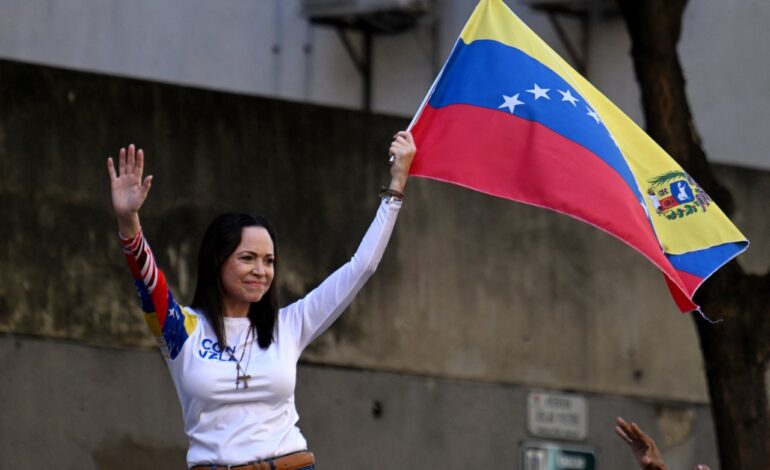

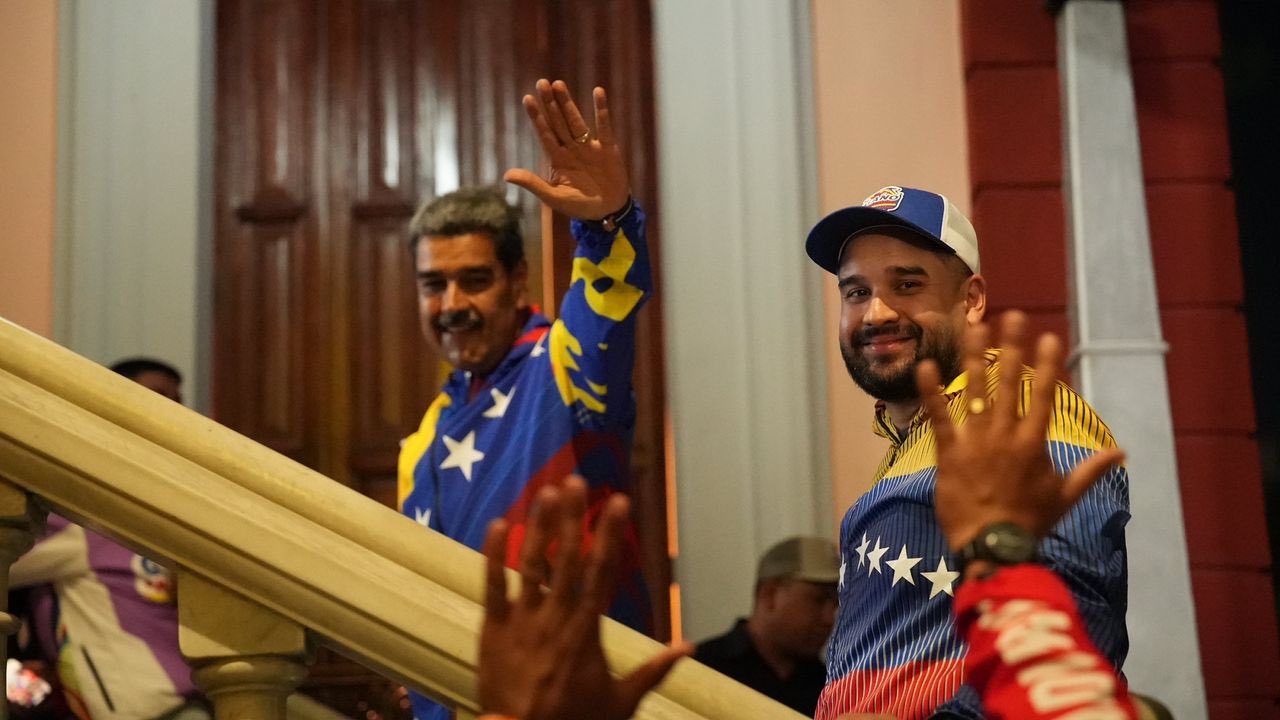
The United States government has downplayed expectations for a swift return to democracy in Venezuela following the recent ousting of President Nicolás Maduro. The U.S. State Department emphasized that while there is hope for political change, the road ahead is likely to be lengthy and complex.
Many Venezuelans have expressed relief at Maduro’s removal, yet significant concerns remain regarding the continuation of his repressive regime. Citizens fear that the political landscape may not change sufficiently to ensure their rights and freedoms are respected. This uncertainty follows a series of protests and political maneuvers that have characterized Venezuela’s turbulent political scene.
Political Context and International Reactions
The U.S. has taken a cautious stance in its foreign policy towards Venezuela. In a statement released on December 15, 2023, a spokesperson for the State Department noted that the focus remains on supporting the Venezuelan people while encouraging a transition towards a representative government. The international community has also shown mixed reactions, with some countries expressing optimism about the potential for democratic reforms.
Opposition leader Juan Guaidó, who has garnered support from various international actors, continues to call for a unified front against Maduro’s remaining influence. He advocates for transparent elections and the establishment of institutions that genuinely reflect the will of the Venezuelan people.
The upcoming elections in 2024 are seen as a crucial turning point. As Venezuelans prepare to head to the polls, the landscape remains fraught with challenges. Many citizens are skeptical about whether these elections will be free and fair, given the historical context of electoral manipulation in Venezuela.
Challenges Ahead for Venezuelan Democracy
Despite the optimism surrounding the potential for change, the U.S. State Department warns against hasty conclusions. The spokesperson highlighted that any political transition must be accompanied by thorough reforms to ensure lasting stability. This sentiment resonates with many Venezuelans who remember the cycles of hope and disappointment that have marked their nation’s recent history.
While the ousting of Maduro represents a significant shift, the remnants of his administration’s policies and practices pose ongoing obstacles. Human rights abuses and economic turmoil continue to afflict the country, leaving many in dire situations.
The restoration of democracy in Venezuela will require extensive support from both the international community and genuine commitment from local leaders. As the situation unfolds, the U.S. and its allies are poised to monitor developments closely, ready to respond to the evolving political landscape.
In summary, while the removal of Nicolás Maduro is a pivotal moment for Venezuela, the path to a stable and democratic future remains uncertain. The focus is now on fostering an environment where true democratic processes can take root, allowing the Venezuelan people to reclaim their rights and governance.