


Senate Democrats Warn Against Trump’s Approval of AI Chip Sales
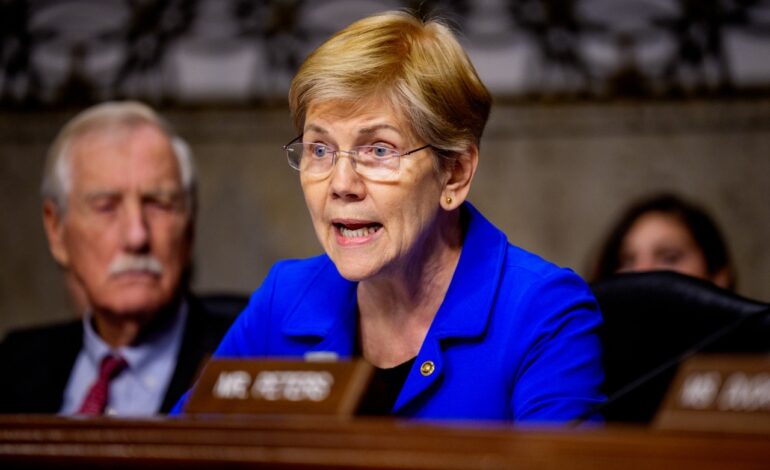

Senate Democrats, including prominent figures such as Elizabeth Warren and Chuck Schumer, have expressed strong opposition to former President Donald Trump‘s recent approval of sales for Nvidia’s H200 processors to China. They argue that this decision undermines previous U.S. efforts to contain technological advancements in adversarial nations.
The lawmakers conveyed their concerns during a press conference on March 15, 2024. They emphasized that allowing the sale of these advanced AI chips to China could enhance the nation’s technological capabilities, which they deem a risk to U.S. national security. According to Senator Warren, this move “essentially rolls back years of strategic containment.”
The H200 processors are known for their powerful capabilities, particularly in artificial intelligence applications. By facilitating their sale in China, the U.S. risks enabling the Chinese government to bolster its military and technological prowess, according to several Senate Democrats. They believe this could lead to a competitive disadvantage for the United States, especially in critical areas like cybersecurity and military technology.
In a statement, Chuck Schumer remarked, “We must ensure that our technological edge is maintained. Selling advanced AI technology to China is not just shortsighted; it is dangerous.” The statement reflects a growing sentiment among lawmakers that strategic technologies should remain under tighter control.
The Senate Democrats also pointed to the broader implications of this decision on global geopolitics. With China rapidly advancing in AI technology, the sale of U.S. technology could accelerate their achievements, potentially destabilizing the balance of power. According to a report by the U.S. Department of Defense, China is projected to lead in AI capabilities by 2030 if current trajectories remain unchanged.
This controversy comes as part of ongoing debates about the U.S.’s technological policies regarding China. Many lawmakers advocate for stricter regulations on technology exports to ensure that sensitive technologies do not contribute to the military capabilities of rival nations.
As this situation develops, the implications of Trump’s approval of these sales will be closely monitored by both lawmakers and analysts. The discussions surrounding the sale of Nvidia’s H200 processors underscore the intricate balance between fostering international trade and safeguarding national security interests.
The Senate Democrats plan to introduce legislation aimed at tightening the controls on high-tech exports to ensure that critical technologies remain protected. As they continue to voice their concerns, the debate over technological exports to China is expected to intensify in the coming weeks, raising questions about the future of U.S. trade policies in the tech sector.