
World
Pentagon Unlocks 400 Patents for Industry Collaboration

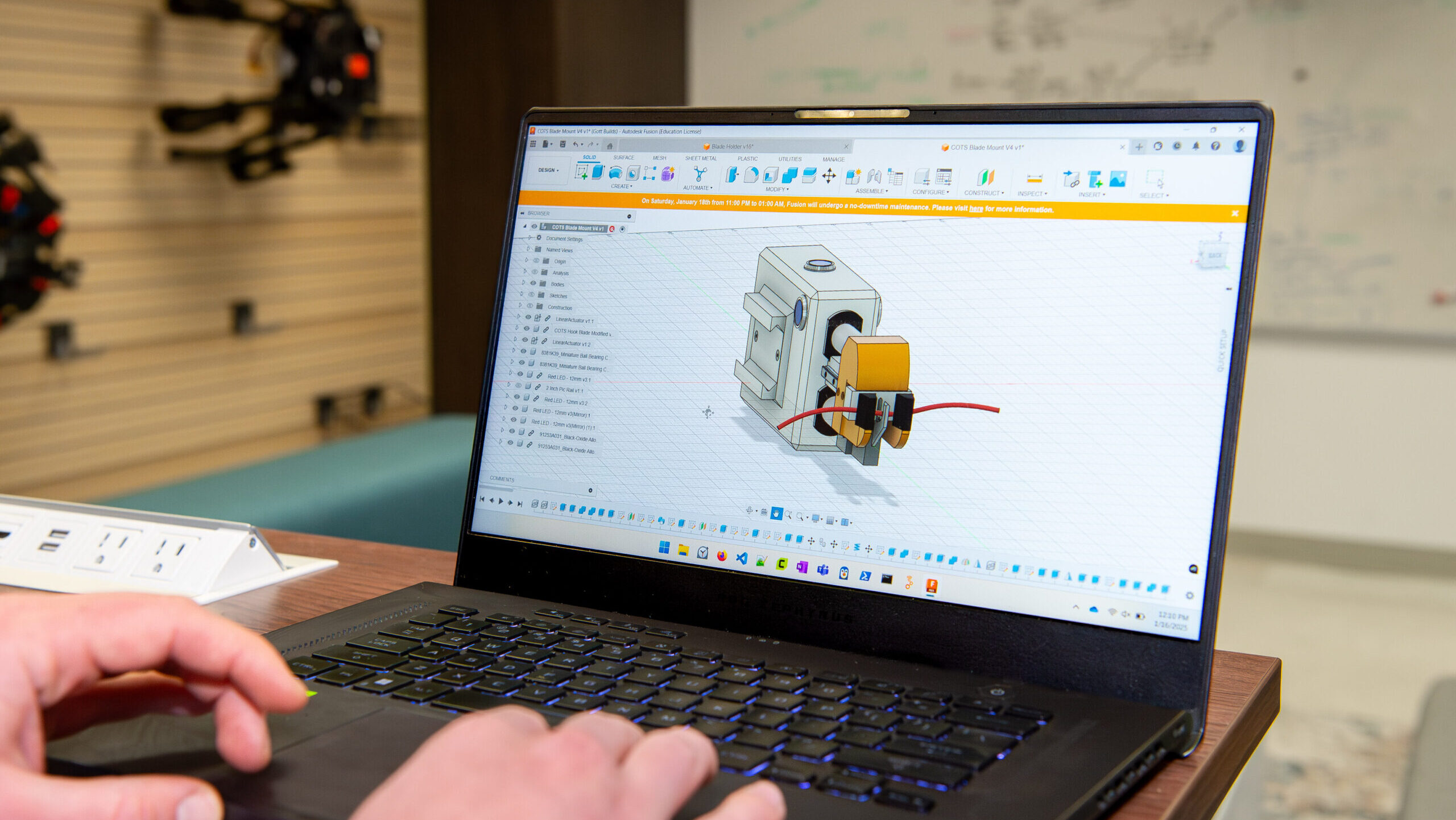
The Pentagon has unveiled a significant initiative to enhance collaboration between government laboratories and private industry by offering free access to approximately 400 patents. This initiative, announced by the Department of Defense’s Chief Technology Officer, Under Secretary for Research and Engineering Emil Michael, aims to bridge the gap between innovative technologies developed within government labs and their practical applications in the field.
During a conference in Washington, D.C., Michael expressed frustration with the current state of technology transfer from military research facilities. He noted that the Pentagon allocates $3.3 billion annually to its 216 laboratories, which collectively hold thousands of patents. Many of these patents pertain to technologies that have not been fully developed for practical use. “Why do these innovations… not get all the way out there to the warfighter?” he questioned the audience, highlighting the need for better access to these valuable resources.
To facilitate this, Michael announced a two-pronged strategy. The first step, effective immediately, allows companies to obtain a Commercial Evaluation License (CEL) for the selected patents without incurring the usual fees. The initial offering includes a diverse range of technologies, from a Navy-developed drone tracking system to innovative Army mortar fuses. These patents were meticulously chosen by Michael’s team, aligned with six Critical Technology Areas identified as priorities for the Department of Defense.
Michael emphasized the ease of access to these patents, explaining that the selection process leveraged artificial intelligence to identify technologies with significant potential. “We’re going to give you a two-year patent holiday, royalty-free,” he stated, encouraging companies to explore the possibilities these innovations present.
Building a Comprehensive Patent Database
The second part of the plan involves creating a searchable database that consolidates patents from all 216 labs for the first time. This initiative, in collaboration with TechLink and the interagency database known as iEdison, aims to streamline access to the vast array of technologies developed by federal laboratories. Bethany Loftin, director of the Technology Partnerships Office at the National Institute of Standards & Technology (NIST), revealed that they are finalizing a Memorandum of Understanding to integrate these patents into the database.
Loftin expressed optimism about the progress, stating, “The final MOU for that relationship is on my boss’s desk for final signature.” Once complete, this database will serve as a vital resource for industry stakeholders seeking to leverage government-developed technologies. While the 400 free patents are intended as an introductory offer, Michael clarified that additional patents will not be available for free. However, he remains open to negotiations for long-term agreements based on successful collaborations.
Michael compared the rollout of the initial patents to a marketing strategy, describing them as “the freebie… the door-buster… the loss-leader.” He envisions that the pilot program will generate interest and potential investment, leading to viable military applications. “If the first 400 attract not only a lot of interest but actual investment… maybe we expand it,” he noted.
Behind the scenes, the initiative is part of a broader effort to modernize the approach to patent management within the Pentagon. According to Steve Luckowski, director of Technology Transfer, Transition, and Commercial Partnerships, the Pentagon aims to curate and analyze its patents to facilitate their availability to industry.
Luckowski explained that the integration of artificial intelligence has been crucial to expediting the process of sorting through patents. “We used our best minds… and tried to distill it down to something that they thought was usable,” he said, highlighting the blend of human expertise and technology in the project.
Long-Term Goals and Future Aspirations
The overarching goal of this initiative is to create a cohesive and searchable database of all Pentagon patents, addressing the current disorganization that has hindered access to valuable innovations. “These assets are all over the place… scattered amongst the 216 laboratories,” said Clara Asmail, a senior program manager for technology transitions. She acknowledged the complexity of compiling this information but expressed confidence that emerging AI tools could facilitate the task.
The successful implementation of this plan could transform how the Pentagon interacts with the private sector, potentially accelerating the development of technologies that enhance military capabilities. As Michael stated, “We’re trying to see what happens when you put things out in the wild.” The next steps will determine whether this ambitious initiative can effectively bring government innovations into practical use, ultimately benefiting both industry and the military.

Giannis Antetokounmpo Joins Kalshi as Shareholder, Shakes Up Sports Betting

Rediscovering Joy: How the Game Sable Revived My Passion for Gaming

URGENT: Major Earthquake Strikes Turkey, Thousands Affected

Nevada GOP Rep. Mark Amodei Announces Retirement, Seats at Risk

Simplify Your Windows 11 Experience: Remove These 7 Features

Jayda Cheaves Claims Lil Baby and Ari Fletcher Had an Affair

Rachel Campos-Duffy Exits FOX Noticias; Andrea Linares Steps In

Piper Rockelle Shatters Record with $2.3M First Day on OnlyFans

Harvard Physicist Proposes Cosmic Location for Heaven at 273 Billion Trillion Miles

Terry Bradshaw Updates Fans on Health After Absence from FOX NFL Sunday
-
Entertainment3 weeks ago
Jayda Cheaves Claims Lil Baby and Ari Fletcher Had an Affair
-
Top Stories2 months ago
Rachel Campos-Duffy Exits FOX Noticias; Andrea Linares Steps In
-
Top Stories1 month ago
Piper Rockelle Shatters Record with $2.3M First Day on OnlyFans
-
Science2 weeks ago
Harvard Physicist Proposes Cosmic Location for Heaven at 273 Billion Trillion Miles
-
Health3 months ago
Terry Bradshaw Updates Fans on Health After Absence from FOX NFL Sunday
-
 Top Stories1 month ago
Meta’s 2026 AI Policy Sparks Outrage Over Privacy Concerns
-
 Sports1 month ago
Leon Goretzka Considers Barcelona Move as Transfer Window Approaches
-
 Top Stories1 month ago
Urgent Update: Denver Fire Forces Mass Evacuations, 100+ Firefighters Battling Blaze
-
 Top Stories1 month ago
OnlyFans Creator Lily Phillips Reconnects with Faith in Rebaptism
-
 Top Stories3 weeks ago
Patriots Face Altitude Challenge in AFC Championship; Experts Weigh In
-
 Top Stories1 month ago
Oregon Pilot and Three Niece Die in Arizona Helicopter Crash
-
 Sports4 weeks ago
South Carolina Faces Arkansas in Key Women’s Basketball Clash