


Pennsylvania Launches Initiatives to Enhance Rivers and Wildlife

Officials in Pennsylvania are prioritizing the state’s rivers, wildlife, and public lands through a series of initiatives designed to encourage community engagement and bolster environmental conservation. These efforts were announced during the holiday season, highlighting the Commonwealth’s commitment to protecting its natural resources.
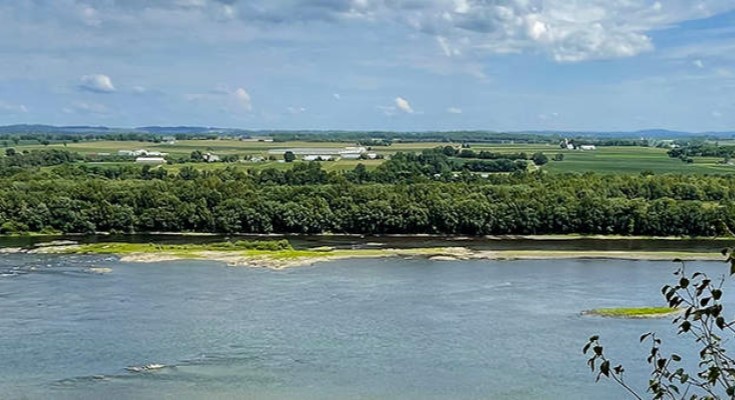
On December 5, 2023, the Pennsylvania Department of Conservation and Natural Resources (DCNR) initiated online voting for the title of Pennsylvania’s 2026 River of the Year. Residents have until January 16, 2024, to cast their votes for one of three nominated waterways: the Conestoga River in Lancaster County, Chillisquaque Creek in central Pennsylvania, and the lower Schuylkill River, which runs from Phoenixville to Philadelphia. According to DCNR Secretary Cindy Adams Dunn, this annual competition aims to celebrate the cultural, recreational, and economic significance of rivers while fostering community pride.
The program is managed by the Pennsylvania Organization for Watersheds and Rivers, with funding from DCNR, and seeks to raise awareness about conservation needs. The Conestoga River is renowned for its recreational activities, including canoeing, kayaking, tubing, and fishing, stretching over 61 miles until it meets the Susquehanna River. Chillisquaque Creek, a 20-mile tributary of the West Branch Susquehanna River, flows through four counties and offers a diverse range of outdoor activities across its 112-square-mile watershed. The lower Schuylkill River, spanning 36 miles, serves as a vital recreational corridor in southeastern Pennsylvania.
Two days later, on December 7, the Shapiro Administration announced the allocation of nearly $530,000 in grants for 15 projects focused on conserving native biodiversity. These projects aim to protect various species, including rare plants, insects, birds, fish, and mammals. The funding will support essential research to address knowledge gaps and inform conservation strategies statewide. Initiative highlights include mapping habitats for green salamanders, surveying rare stoneflies and aquatic plants, creating Pennsylvania’s first comprehensive firefly inventory, and employing DNA barcoding to catalog native bee diversity. Additional grants will facilitate studies on prairie warblers, northern harriers, and other elusive species, such as the Allegheny woodrat, utilizing detection dogs.
DCNR officials stated that these grants, administered through the Wild Resource Conservation Program, underscore the state’s role in safeguarding non-game species and ecosystems for future generations. This effort aligns with increased funding for the DCNR, invasive species control, outdoor recreation, and the expansion of state parks as outlined in the 2025–26 state budget.
In a related development, on December 12, DCNR announced a leadership change within the Pennsylvania Wilds region. Michael Plish has been appointed the manager of Chapman State Park in Warren County. He will oversee the 862-acre park and its popular Chapman Lake, which is adjacent to state game lands and the Allegheny National Forest. Plish, a native of Moon Township and a graduate of Clarion University with a degree in environmental science, brings valuable experience from various state parks and the Pennsylvania Outdoor Corps. DCNR officials believe his background and collaborative approach will enhance stewardship at Chapman State Park, which hosts events like Warren County Winterfest and serves as a year-round recreation hub.
These initiatives collectively represent a strategic effort to engage the public, invest in science-driven conservation, and strengthen the management of Pennsylvania’s natural resources. As the Commonwealth embraces environmental protection, it underscores the dual importance of civic responsibility and economic sustainability.