Iran Appoints New Central Bank Governor Amid Currency Crisis

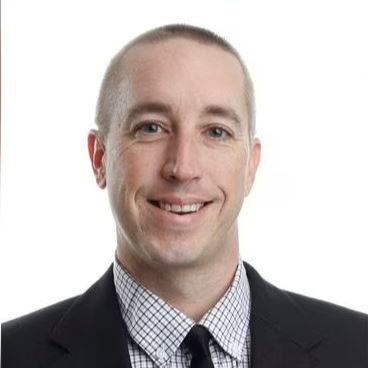
Iran has appointed a new central bank governor, Abdolnasser Hemmati, following mass protests triggered by the currency’s sharp decline against the U.S. dollar. The decision was made by President Masoud Pezeshkian’s Cabinet on March 15, 2024, amidst escalating public discontent over the economic crisis. Hemmati replaces Mohammad Reza Farzin, who resigned on March 11, just days after some of the largest protests in Iran in three years.
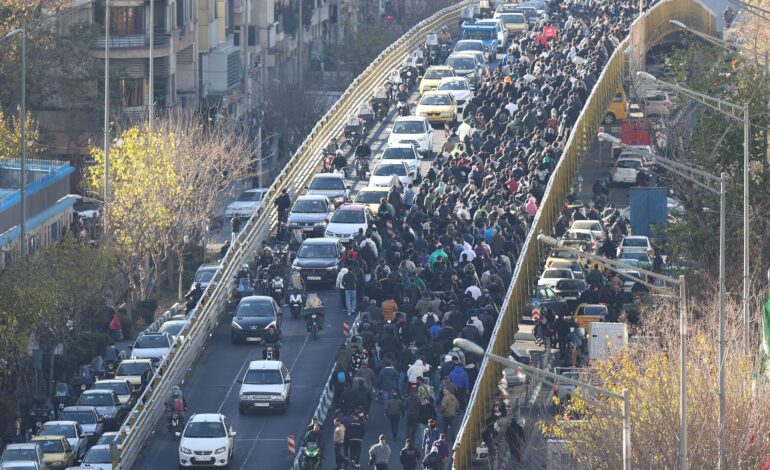
The protests erupted as the value of the Iranian rial fell to a record low, with the U.S. dollar trading at approximately 1.38 million rials—a steep increase from 430,000 rials when Farzin took office in 2022. An inflation rate of around 40% has compounded the situation, leading many citizens to express their frustration publicly. In response, numerous traders and shopkeepers closed their businesses and participated in demonstrations across Tehran and other cities.
Hemmati, a former economics minister, has outlined an agenda focused on controlling inflation, strengthening the currency, and addressing the mismanagement of banks. According to government spokesperson Fatemeh Mohajerani, Hemmati’s experience will be crucial as the country navigates this challenging economic landscape.
Hemmati previously served as Minister of Economic and Financial Affairs under Pezeshkian until his dismissal in March 2023 due to allegations of mismanagement that reportedly weakened the rial. The recent depreciation of the currency, alongside rising prices for essential goods, has placed additional strain on households already burdened by U.S. sanctions related to Iran’s nuclear program.
Inflationary pressures are expected to intensify further, particularly following recent changes to gasoline prices. As protests unfolded, Mohammad Movahedi Azad, the Prosecutor General, warned against any attempts to escalate economic grievances into broader unrest or violence, stating that such actions would meet with a “strong reaction.”
The rial was valued at around 32,000 rials to the dollar during the 2015 nuclear agreement, which lifted international sanctions in exchange for limitations on Iran’s nuclear activities. However, the deal collapsed after President Donald Trump withdrew the United States from it in 2018.
On March 15, 2024, local judiciary official Hamed Ostevar denied reports of a young man’s death during the protests in the southern city of Fasa. He noted that unrest had led to violence, with crowds breaching the governor’s office and injuring three police officers. Authorities reported the arrest of four protesters.
As tensions rise, shops in major bazaars across Tehran, as well as in Sheraz and Kermanshah, remain closed as merchants respond to the ongoing crisis. The situation continues to evolve as the new central bank governor begins his tenure amid profound economic challenges.