


Family Watchmakers Face Modern Challenges After Centuries of Craft
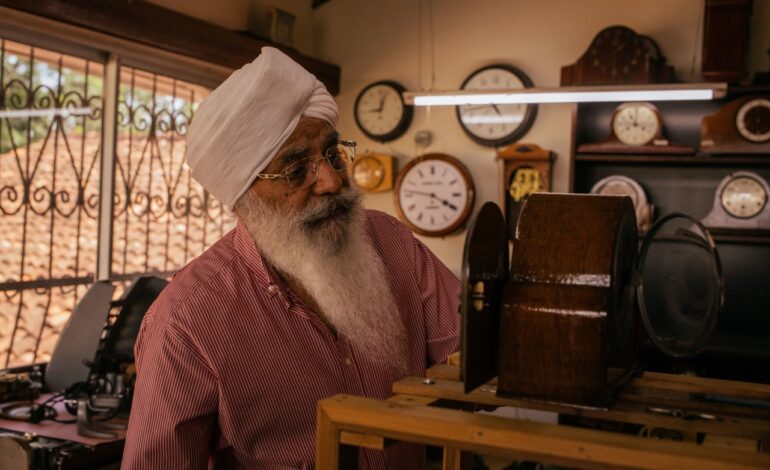

The legacy of a family-run watchmaking business, which has thrived for centuries, now faces significant challenges in the modern marketplace. This dynasty, rooted in the history of the British Empire and Kenya’s journey to independence, may be on the brink of closure as it navigates an evolving economic landscape.
The watchmakers, based in Nairobi, have been part of a lineage that began in the 19th century. Their craftsmanship not only reflects a rich tradition but also serves as a historical lens through which the impacts of colonialism and the rise of Kenyan independence in 1963 can be examined.
Rich Heritage and Economic Pressures
Over the decades, the family has built a reputation for quality and precision. Their timepieces are more than mere accessories; they encapsulate stories and memories that span generations. Yet, as consumer preferences shift towards digital technology, traditional watchmakers like this family are grappling with declining demand for mechanical watches.
According to a report by the Kenya National Bureau of Statistics, the watch market in Kenya has seen a marked decline in sales of traditional watches, with a significant increase in the purchase of smartwatches. The dynamics of the industry have changed drastically, and local artisans find it increasingly difficult to compete with cheaper imports and the allure of modern technology.
A Cultural and Economic Crossroads
The challenges faced by this family-run business reflect broader economic trends. The watchmakers not only represent a unique artisanal craft but also a cultural heritage that is at risk of fading. As the world increasingly gravitates towards fast fashion and technology-driven products, the time-honored techniques of the watchmakers may become obsolete.
In interviews, family members have expressed concern about the future of their trade. They note that their craft is a vital part of their identity and the local economy. As John Mwangi, a fifth-generation watchmaker, stated, “We’ve always believed in the value of our work, but the landscape has changed so dramatically. We need to adapt or face extinction.”
Despite these challenges, the family remains committed to preserving their legacy. They are exploring new avenues, such as incorporating modern technology into their timepieces and enhancing their online presence to reach a global audience. This pivot is essential as they aim to attract younger consumers who may not appreciate the artistry of traditional craftsmanship.
The future of this dynasty of watchmakers is uncertain, but their dedication to their craft remains strong. The story of their trade is not just about timekeeping; it is about resilience and adaptation in the face of change. As they navigate this transitional period, they hope to inspire a renewed interest in handcrafted quality that has defined their family for generations.