


Europe Prioritizes Ukraine’s Stability Over Compromising Peace with Russia
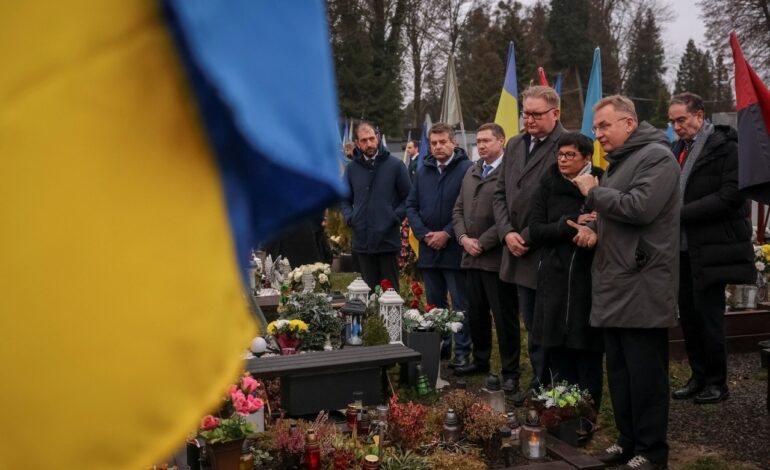

The ongoing conflict between Ukraine and Russia has prompted European nations to reassess their diplomatic strategies. Many European leaders now believe that a subpar agreement with Russia is more detrimental than no agreement at all. This shift underscores a growing consensus that supporting Ukraine is essential for Europe’s long-term security and stability.
European Union foreign policy chief Josep Borrell recently emphasized that the stakes are higher than merely ending the conflict. On March 1, 2024, he stated that “a bad deal would only embolden Russia” and could lead to further aggression. This perspective reflects a broader understanding among European allies that any compromise with Moscow must not come at the expense of Ukraine’s sovereignty.
Strategic Realignment in Europe
The conflict has exposed vulnerabilities within Europe, prompting nations to reconsider their security frameworks. The European Union has invested heavily in military and humanitarian aid for Ukraine, amounting to over €30 billion since the war began. This financial commitment highlights not just a desire to assist Ukraine but also a strategic imperative to contain Russian expansionism.
Countries such as Poland and the Baltic states have been particularly vocal in their support for Kyiv. Their geographic proximity to Russia amplifies their concerns about future threats. Polish Prime Minister Mateusz Morawiecki articulated this sentiment, stating that “the security of Ukraine is the security of Poland.” This viewpoint has fueled calls for a unified European response against any form of appeasement toward Russia.
European nations are now recognizing that a stable and independent Ukraine is vital for their own defense strategies. The fear is that a hasty peace deal could legitimize Russian territorial gains and set a dangerous precedent for future conflicts. The European Union’s recent decision to expand sanctions against Russia reflects this commitment to maintaining pressure on Moscow.
The Human Element
The situation in Ukraine has resulted in significant humanitarian crises, with millions displaced and in urgent need of assistance. A report from the United Nations indicated that over 8 million Ukrainians have been forced to flee their homes since the onset of the war. The European Union has taken steps to provide refuge and support, which further complicates the equation for any peace negotiations.
Ukrainian President Volodymyr Zelenskyy has consistently urged Western allies to maintain their support, arguing that any concessions to Russia could jeopardize not only Ukraine’s future but also the stability of the entire region. Zelenskyy has become a symbol of resilience, rallying international support and emphasizing that Ukraine’s fight is one for democratic values.
As European leaders grapple with these complex issues, the consensus appears to be shifting. A bad deal with Russia is increasingly viewed as a self-defeating strategy, prompting a stronger commitment to Ukraine’s defense. The intentions are clear: Europe must stand firm in the face of aggression to ensure its own security.
The path forward remains fraught with challenges, but European nations are prioritizing a robust response that reinforces Ukraine’s sovereignty. This approach reflects a deep-seated belief that stability in Europe hinges on a strong and independent Ukraine, free from the shadows of Russian domination. The stakes are high, and Europe is prepared to navigate the tumultuous waters ahead to safeguard its future.