


EU Targets Turkey’s Energy Role Amid Russian Sanctions Scrutiny
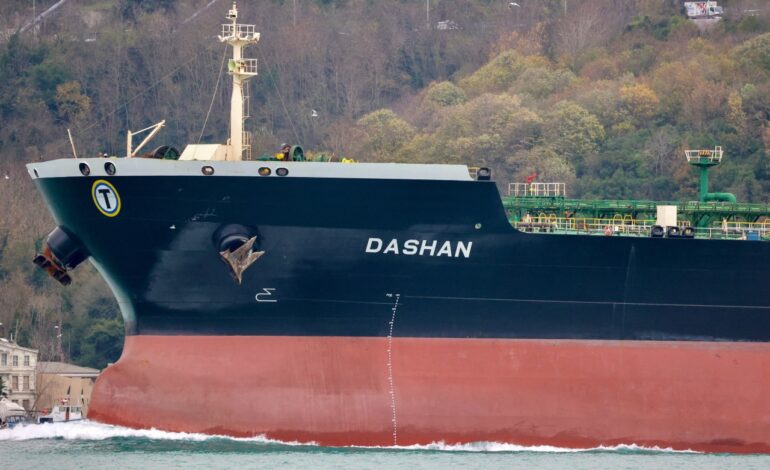

The European Union (EU) is intensifying its examination of Turkey’s oil-storage facilities while contemplating sanctions against entire ports in response to ongoing concerns about Russian energy supplies. This development marks a significant shift in the EU’s strategy as it attempts to reduce reliance on Russian oil in light of geopolitical tensions.
The EU’s focus on Turkey stems from its strategic position as a key transit hub for oil and gas. In recent months, Turkish ports have become increasingly pivotal for Russian energy exports, which the EU aims to limit. According to the European Commission, the EU imported approximately €120 billion worth of Russian energy in 2022, a figure that has since been scrutinized as part of ongoing sanctions against Moscow.
Sanctions Under Consideration
Following an EU meeting in Brussels on August 15, 2023, officials discussed the potential for enhancing sanctions that could directly target Turkish facilities involved in Russian energy transactions. The proposal includes a review of Turkey’s compliance with existing sanctions and an assessment of its role in facilitating oil shipments from Russia.
The EU’s concern is compounded by Turkey’s growing oil trade with Russia, which has nearly doubled since the imposition of sanctions. Recent reports indicate that Turkey’s oil imports from Russia surged to approximately 600,000 barrels per day, reflecting a significant increase in energy cooperation between the two nations. This has raised alarms within the EU, prompting calls for stricter regulations.
EU Commissioner for Energy, Kadri Simson, emphasized the need for coordinated efforts among member states to ensure that sanctions against Russia are effectively enforced. “We must remain vigilant about the routes and storage facilities that facilitate Russian oil exports,” Simson stated. The EU is particularly interested in ensuring that Turkey does not become a loophole for circumventing these sanctions.
Geopolitical Implications
Turkey’s strategic location at the crossroads of Europe and Asia makes it a vital player in the global energy market. This geopolitical significance gives Turkey leverage in negotiations but also complicates the EU’s efforts to bolster its energy security. Experts argue that while the EU’s intentions are clear, the implications of sanctions on Turkey could have reciprocal effects, potentially straining relations between the two regions.
Ankara, for its part, has expressed its commitment to maintaining a balanced energy policy. Turkish officials have reiterated that their approach to energy imports aligns with national interests and that they will continue engaging with both Russian and Western partners. This stance highlights the complex dynamics at play as Turkey seeks to navigate its energy strategy amid external pressures.
As the EU continues to grapple with the ramifications of its sanctions on Russia, the situation in Turkey remains fluid. The potential for sanctions against Turkish ports could reshape the energy landscape in the region, impacting both supply lines and international relations. The coming weeks will likely see further developments as the EU weighs its options and Turkey responds to the evolving geopolitical climate.