
World
Elite Moscow University Offers Bonuses for Military Enrollment


One of Moscow’s premier educational institutions, the Higher School of Economics, is actively recruiting students by offering substantial signing bonuses to join the Russian military. According to The Moscow Times, the university is promoting these positions as non-combat roles, with bonuses reaching 5.2 million rubles (approximately $68,600 USD).
This recruitment initiative is part of a broader strategy involving several academic institutions across Russia. Students are reportedly being assured that they would serve one-year tours of duty in military drone units, claiming these units operate far from the front lines of the ongoing conflict in Ukraine. However, experts in Russian law are raising alarms about the veracity of these claims.
Deceptive Recruitment Tactics Under Scrutiny
Legal professionals have cautioned that the recruitment efforts by the Higher School of Economics and other universities may employ misleading tactics. Artyom Klyga, a lawyer associated with the Movement for Conscientious Objectors, highlighted significant risks for the students. He stated on Telegram, “In reality, you could find yourself on the front lines, including as a member of an assault unit.” Klyga emphasized that all contracts within the Russian military are indefinite due to a mobilization decree issued by President Vladimir Putin in 2022, which significantly alters the terms of service for those who enlist.
The recruitment strategies have drawn criticism from various civil society groups, who argue that students are not being adequately informed about the potential consequences of their enlistment. Good-government organizations have described the offers as a “bill of goods,” suggesting that students may be misled about their actual roles and risks involved.
Academic Institutions Complicit in Recruitment Drive
In addition to the Higher School of Economics, other respected institutions, such as the Moscow Institute of Physics and Technology, Siberian Federal University, and Shukhov Belgorod State Technological University, are also reported to be participating in similar recruitment campaigns. These universities, which have historically been seen as pillars of academic excellence in Russia, are now facing scrutiny for their alignment with government policies that encourage military enlistment among young adults.
As the conflict in Ukraine continues, the implications of these recruitment efforts are significant. The potential for students, often viewed as the future leaders of the country, to be thrust into combat roles raises serious ethical concerns. The motivations behind these recruitment bonuses, coupled with the lack of transparent information provided to students, suggest a troubling trend in how the Russian government is engaging with its youth during a time of war.
The situation remains fluid as more information emerges about the true nature of these military positions and the experiences awaiting those who choose to enlist. The recruitment strategies employed by elite universities signal a complex intersection of education, government policy, and military engagement that warrants ongoing observation and analysis.

Giannis Antetokounmpo Joins Kalshi as Shareholder, Shakes Up Sports Betting

Rediscovering Joy: How the Game Sable Revived My Passion for Gaming

URGENT: Major Earthquake Strikes Turkey, Thousands Affected
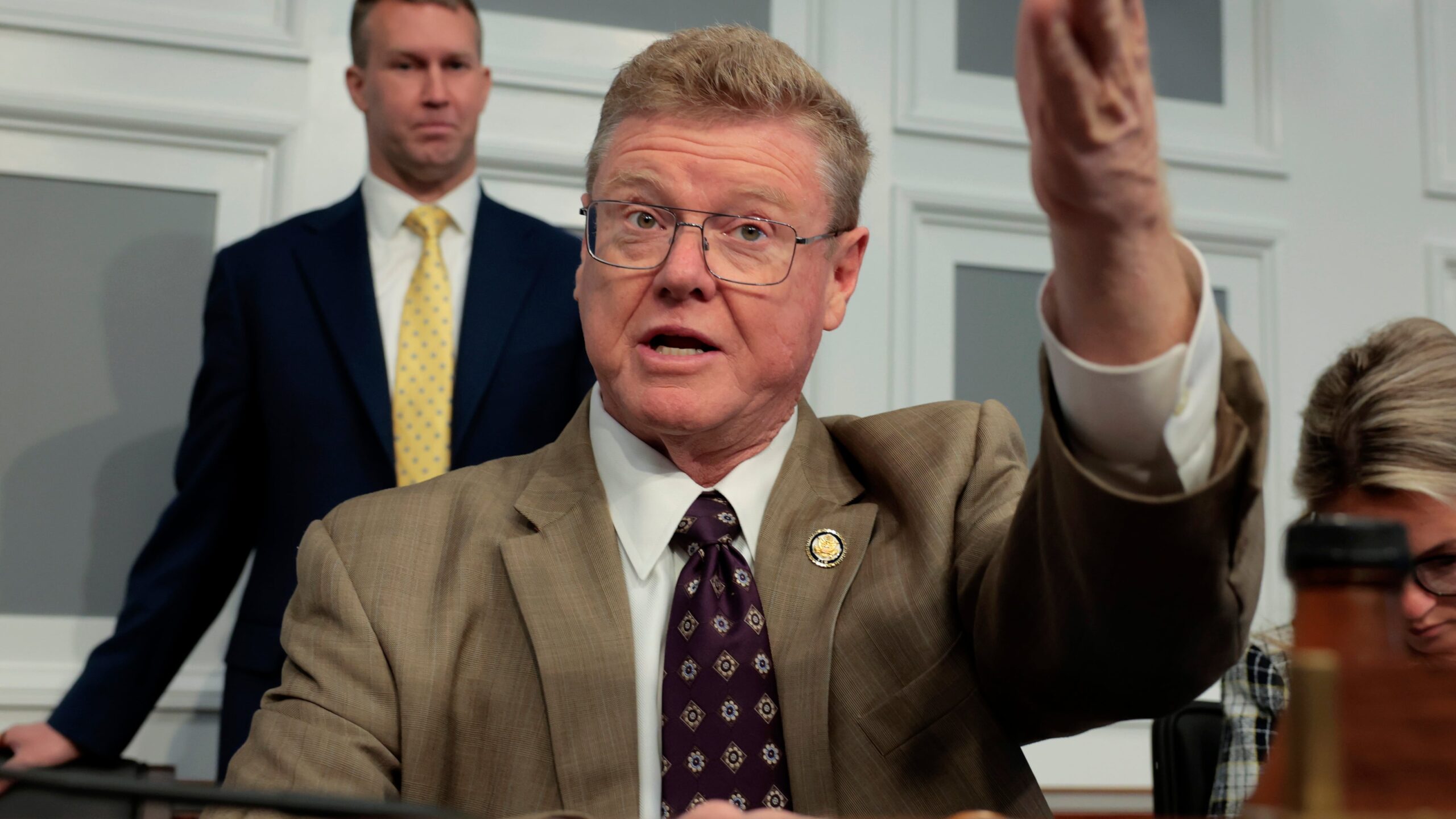
Nevada GOP Rep. Mark Amodei Announces Retirement, Seats at Risk

Simplify Your Windows 11 Experience: Remove These 7 Features
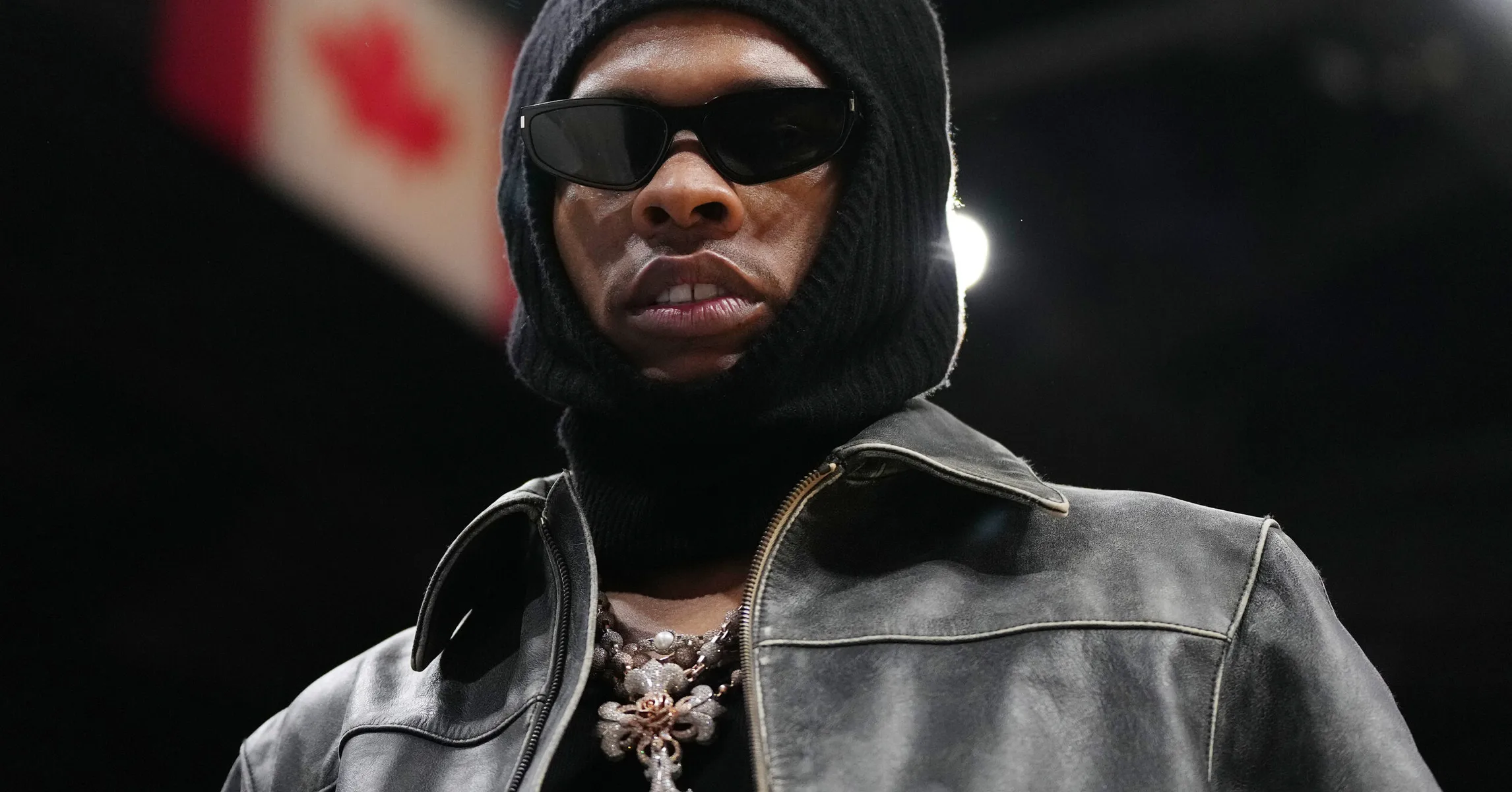
Jayda Cheaves Claims Lil Baby and Ari Fletcher Had an Affair

Rachel Campos-Duffy Exits FOX Noticias; Andrea Linares Steps In

Piper Rockelle Shatters Record with $2.3M First Day on OnlyFans

Harvard Physicist Proposes Cosmic Location for Heaven at 273 Billion Trillion Miles

Terry Bradshaw Updates Fans on Health After Absence from FOX NFL Sunday
-
Entertainment3 weeks ago
Jayda Cheaves Claims Lil Baby and Ari Fletcher Had an Affair
-
Top Stories2 months ago
Rachel Campos-Duffy Exits FOX Noticias; Andrea Linares Steps In
-
Top Stories1 month ago
Piper Rockelle Shatters Record with $2.3M First Day on OnlyFans
-
Science2 weeks ago
Harvard Physicist Proposes Cosmic Location for Heaven at 273 Billion Trillion Miles
-
Health3 months ago
Terry Bradshaw Updates Fans on Health After Absence from FOX NFL Sunday
-
 Top Stories1 month ago
Meta’s 2026 AI Policy Sparks Outrage Over Privacy Concerns
-
 Sports1 month ago
Leon Goretzka Considers Barcelona Move as Transfer Window Approaches
-
 Top Stories1 month ago
Urgent Update: Denver Fire Forces Mass Evacuations, 100+ Firefighters Battling Blaze
-
 Top Stories1 month ago
OnlyFans Creator Lily Phillips Reconnects with Faith in Rebaptism
-
 Top Stories3 weeks ago
Patriots Face Altitude Challenge in AFC Championship; Experts Weigh In
-
 Top Stories1 month ago
Oregon Pilot and Three Niece Die in Arizona Helicopter Crash
-
 Sports4 weeks ago
South Carolina Faces Arkansas in Key Women’s Basketball Clash