


Demand for Fireworks Surges in Germany Despite Controversy
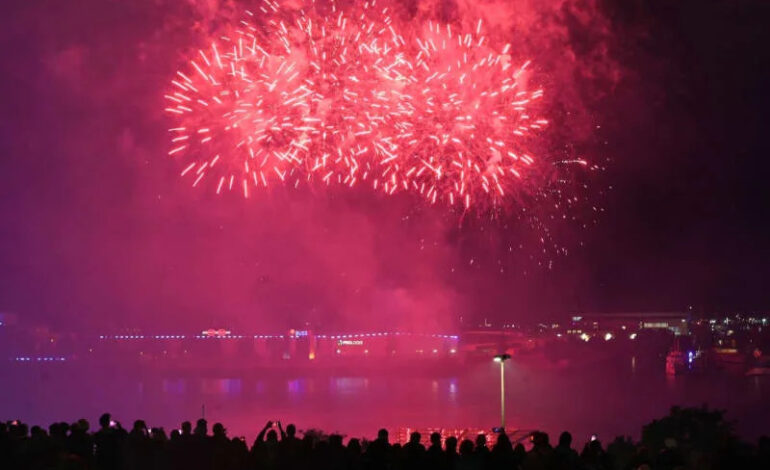

Demand for fireworks in Germany is on the rise as the country approaches New Year’s Eve, despite ongoing criticism from environmental and animal welfare advocates. Reports indicate that the volume of pyrotechnics available for sale this year is approximately 10% higher than in 2022. Major manufacturers, including WECO and COMET, have noted increased supply, reflecting a broader trend in the industry.
The German Association of the Pyrotechnics Industry anticipates that fireworks availability will continue to grow. Fireworks can be sold in Germany from December 29 to 31, with unsold items typically returned to manufacturers. Notably, WECO reported a lower-than-expected return rate last year, indicating strong consumer interest. As the largest fireworks manufacturer in Germany, WECO has a workforce of about 260 and generates a turnover of over €136 million (approximately $160 million) in the 2023-24 fiscal year. However, it produces only 15% of its products domestically, with the remainder imported from China.
Klaus Gotzen, head of the pyrotechnics sector association, highlighted a growing trend towards combined fireworks. These products allow users to ignite a single fuse that triggers a series of fireworks, creating elaborate displays that can last several minutes.
Public sentiment about fireworks is mixed, with many Germans expressing irritation over the noise and environmental impact associated with their use. Animal welfare and environmental groups argue that the loud explosions frighten wildlife, depleting their energy reserves during winter. In urban areas like Berlin, New Year’s Eve is often likened to scenes from a war zone due to the chaos surrounding celebrations.
Concerns extend to safety issues, particularly regarding attacks on police officers during fireworks displays. The GdP police union has voiced support for a potential fireworks ban, citing increased violence related to the use of pyrotechnics.
Despite these concerns, the interior ministers of Germany’s 16 states have been unable to reach a consensus on a nationwide ban. A recent court ruling overturned a prohibition on private fireworks displays on the North Sea island of Föhr, further complicating the issue.
Oliver Gerstmeier, head of sales at WECO, argues that the rising demand for fireworks indicates a strong desire among the public to maintain this tradition. “Ringing in the New Year with a colourful firework is a beautiful thing for many people,” he stated. Gerstmeier believes that such celebrations should not be undermined by ongoing debates about a ban, emphasizing the importance of respecting cultural traditions.
The fireworks industry maintains that the actions of a small number of troublemakers should not overshadow the enjoyment that the majority of the population derives from fireworks. As demand continues to rise, the future of fireworks in Germany remains a contentious topic, balancing tradition with the need for safety and environmental considerations.