

Deadly Palmyra Ambush Exposes Challenges in Syria Security
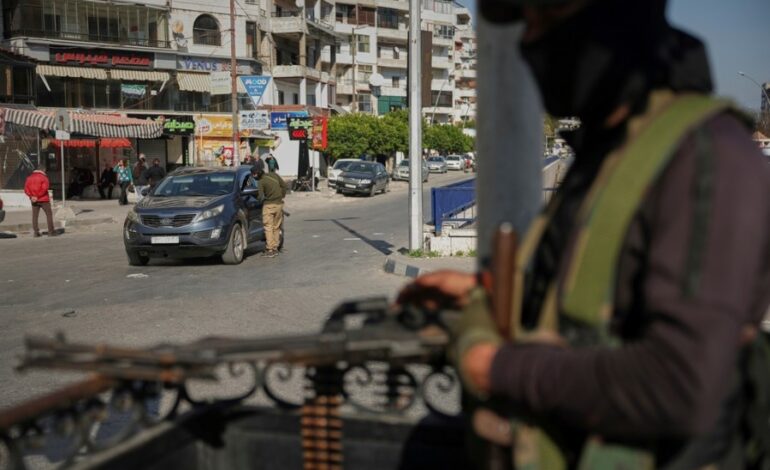

A recent ambush near Palmyra, Syria, has resulted in the deaths of two American soldiers and a civilian interpreter, underscoring the ongoing threat posed by remnants of the ISIS group and raising serious questions about the stability of Syria’s newly reformed security apparatus. This incident complicates the United States’ military partnership with the Syrian government, as it navigates a complex landscape of regional security challenges.
The ambush occurred on March 15, 2024, during a routine patrol in a region known for its historical significance but also its strategic vulnerabilities. While ISIS has been largely defeated territorially, the group has shown resilience, conducting sporadic attacks that highlight the ongoing instability in the region. The deaths of the soldiers mark a significant loss and serve as a stark reminder of the dangers that persist in the area.
Resurgence of ISIS and Regional Instability
The ambush has reignited concerns about the effectiveness of Syria’s security forces, which have undergone various reforms in recent years. Critics argue that despite these changes, the security apparatus remains fragile and ill-equipped to handle the persistent threat from ISIS. The U.S. has invested resources into training and supporting local forces, yet incidents like this call into question the overall impact of these efforts.
Local sources indicate that the attack may have been planned by ISIS cells operating in the region, which have managed to exploit weaknesses in the security framework. The incident could lead to a reevaluation of U.S. military strategy in Syria, particularly as it pertains to collaboration with the Syrian government, which has its own complex dynamics and challenges.
U.S. military officials have not only expressed condolences but are also likely to reassess the operational parameters for their forces in the region. The deaths of the American soldiers could amplify calls for a more robust approach to countering ISIS, which has demonstrated an ability to regroup and launch attacks despite significant territorial losses.
Implications for U.S.-Syria Relations
The ambush further complicates an already delicate relationship between the United States and the Syrian government. While the U.S. has been wary of fully endorsing the regime of President Bashar al-Assad, it recognizes the need for a stable partner in the fight against terrorism. The challenge lies in finding a balance that allows for effective cooperation without compromising U.S. values and interests.
In light of these recent events, U.S. officials may need to engage in discussions about adjusting their military presence in Syria. The goal will be to enhance security for both American personnel and local allies, as well as to prevent further ISIS resurgence. The ambush serves as a crucial reminder of the complexities involved in U.S. military operations abroad, particularly in regions marked by long-standing conflict and instability.
As the situation evolves, the international community will closely monitor how the U.S. responds to this latest incident and what it means for future military collaboration in the region. The stakes are high, and the path forward will require careful consideration of political, military, and humanitarian factors.