


China’s Rare Earth Dominance Faces Growing Global Challenges
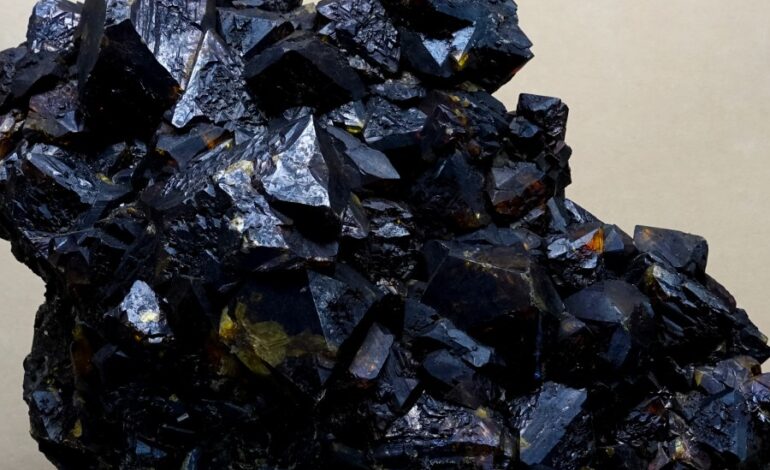

China’s control over the global rare earth market is facing increasing scrutiny as nations seek to reduce their dependence on Beijing. While China currently dominates the production of these vital materials, recent developments indicate that its hold may not be as strong as it appears.
Rare earth elements (REEs) are essential for various high-tech applications, including electronics, renewable energy technologies, and national defense systems. According to the United States Geological Survey, China accounted for approximately 80% of the world’s rare earth production in 2022. This has allowed the country to leverage its position in international trade, prompting concerns among Western nations about over-reliance on Chinese supplies.
Shifting Dynamics in Global Supply Chains
In March 2023, the U.S. government announced a strategy aimed at decreasing its dependency on Chinese rare earths. This initiative includes investments of up to $1.5 billion to develop domestic production capabilities and secure supply chains. The focus on self-sufficiency has become more urgent as geopolitical tensions escalate.
The European Union is also taking steps to diversify its sources of rare earths. In recent months, EU officials have initiated talks with countries like Australia and Japan to establish a more resilient supply network. European Commission President Ursula von der Leyen emphasized the need for Europe to “secure our supply chains and reduce our reliance on external actors.”
Despite China’s current production capabilities, the nation faces significant challenges. Environmental regulations and local opposition have hindered the expansion of mining operations. Additionally, the global push for sustainability is shifting industry focus towards recycling and alternative materials, potentially reducing demand for newly mined rare earths.
Emerging Competitors and Innovations
Countries like Australia and the United States are ramping up efforts to tap into their own rare earth resources. Australia, which possesses significant reserves, has become a focal point for investment and development. The Australian government is promoting the establishment of new mining projects and processing facilities to position itself as a key player in the global market.
Innovations in technology are also contributing to changes in the rare earth landscape. Researchers are exploring synthetic alternatives and improved recycling methods to reduce dependence on traditional mining. These advancements could disrupt the market and challenge China’s dominant position.
As nations navigate their strategies, the potential for collaboration exists. Partnerships among countries can foster innovation and create a more balanced global supply chain. The aim is to ensure that rare earth resources are utilized responsibly and sustainably while mitigating the risks associated with over-reliance on a single country.
With ongoing developments in both domestic and international policies surrounding rare earths, China’s perceived dominance may soon be put to the test. As the global demand for these materials continues to grow, it remains critical for countries to cultivate a diverse and sustainable supply chain that meets their technological and strategic needs.