Calls to Exclude Israel from Eurovision Spark Controversy
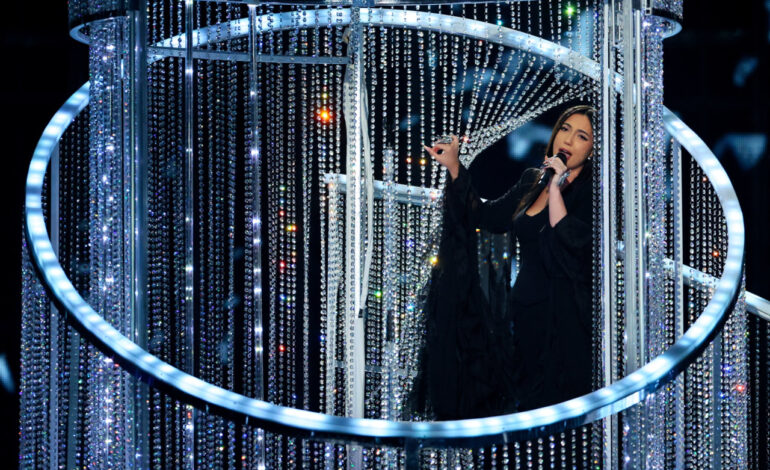

The call to exclude Israel from the upcoming Eurovision Song Contest has ignited a significant debate surrounding the intersection of politics and popular culture. Critics, primarily from Palestinian groups, argue that Israel’s participation in the renowned music competition promotes a country they view as oppressive. This controversy has heightened tensions in the broader discourse about artistic expression and political statements.
The Eurovision Song Contest, organized by the European Broadcasting Union (EBU), is set to take place in May 2024 in the United Kingdom. The event draws global attention, with countries competing for glory through original musical performances. Israel has been a consistent participant since its debut in 1973, winning the competition multiple times. The recent calls for a ban, however, mark a shift in how some groups perceive the competition’s role in international relations.
Palestinian activists assert that allowing Israel to perform in the contest undermines the struggles of Palestinian people and normalizes what they describe as colonial practices. In a statement released on social media, a coalition of groups urged the EBU to reconsider Israel’s participation, citing ongoing tensions in the region, particularly in relation to recent conflicts and human rights violations.
Supporters of Israel’s participation counter that the competition should remain a space for cultural exchange, free from political interference. They emphasize that music transcends borders and can foster understanding among nations. A spokesperson for the Israeli delegation highlighted the importance of Eurovision as a platform for showcasing diverse talents, stating, “Music is an art form that should unite, not divide.”
As the debate intensifies, the EBU has yet to issue an official response regarding the calls for exclusion. The organization has historically maintained a neutral stance on political issues, focusing instead on the celebration of music and culture. The situation raises questions about the balance between artistic expression and political advocacy, especially in a format as widely viewed as Eurovision.
The controversy is not unprecedented. Previous editions of the Eurovision Song Contest have seen similar protests and calls for boycotts from various political factions around the world. In recent years, discussions surrounding the contest have increasingly intertwined with geopolitical tensions, reflecting broader trends in society where art and politics intersect.
With the contest just months away, the EBU must navigate the delicate balance of maintaining its mission to promote cultural unity while addressing the concerns raised by critics. The outcome could have lasting implications for future competitions and the role of pop culture in global political discourse.
As the situation develops, observers will be keen to see how both the EBU and Eurovision participants respond to the evolving narrative surrounding Israel’s inclusion. The intersection of art and politics continues to be a fertile ground for debate, highlighting the complexities of representation in international events.